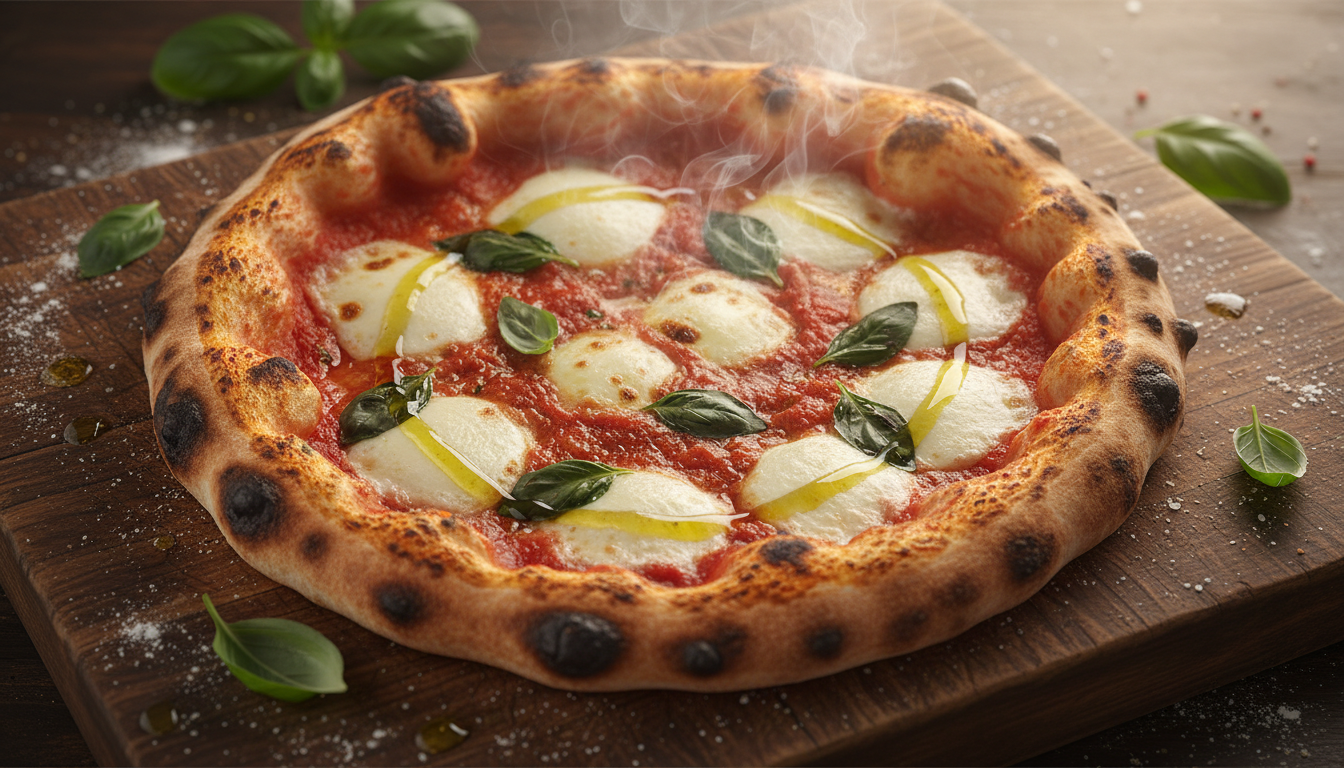
There’s something almost magical about a great pizza. That blistered, airy crust. The tangy sweetness of slow-cooked tomato sauce. The pull of perfectly melted mozzarella. Whether you’re a devoted Neapolitan purist or a deep-dish devotee, one thing is certain — pizza is the world’s most beloved comfort food, and mastering it at home is one of the most rewarding culinary journeys you can take.
In this guide, we’ll walk through everything you need to know to make an extraordinary pizza from scratch — from selecting the finest ingredients to understanding the heat dynamics of your oven. Let’s dive in.
Start with the Best Ingredients
Great pizza begins long before the dough hits the oven. The quality of your ingredients is everything. Professional pizzaiolos swear by a short but carefully chosen list of components, and for good reason — when the ingredient list is minimal, every single element needs to shine.
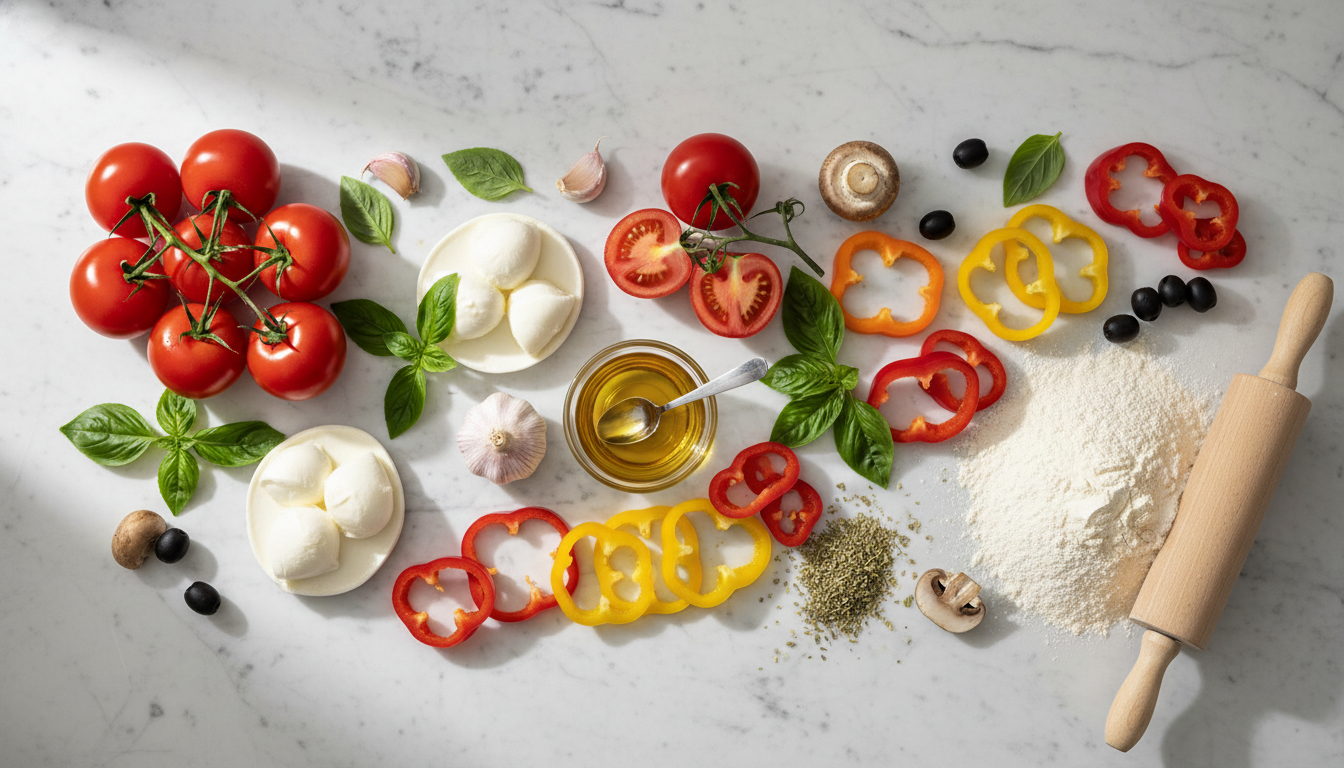
Flour: For authentic Neapolitan-style pizza, reach for finely milled Italian “00” flour. Its low protein content produces an incredibly silky, extensible dough that bakes up light and airy with just the right amount of chew. For a New York-style crust with more structure, bread flour works beautifully.
Tomatoes: San Marzano tomatoes — grown in the volcanic soil near Mount Vesuvius — are the gold standard for pizza sauce. They’re sweeter, less acidic, and more intensely flavored than ordinary canned tomatoes. Crush them by hand with a pinch of sea salt and a drizzle of olive oil. That’s it. No cooking required.
Mozzarella: Fresh buffalo mozzarella brings a luxurious creaminess, but for daily home pizza-making, high-quality fior di latte (cow’s milk mozzarella) is your best friend. Tear it by hand rather than slicing — the irregular chunks melt more evenly and create those iconic golden puddles.
Olive Oil & Basil: Always finish your pizza with a generous drizzle of extra virgin olive oil and fresh basil leaves added after baking. Heat destroys the delicate aromatics of both — treat them as finishing touches, not cooking ingredients.
The Art of the Dough
If ingredients are the soul of a pizza, dough is its backbone. The process of making great pizza dough is deceptively simple — flour, water, salt, and yeast — but the technique and timing make all the difference.
The single most important variable in pizza dough is fermentation time. A cold, slow ferment in the refrigerator over 24–72 hours develops complex flavors and creates a dough that’s far easier to stretch and far more digestible than a same-day dough. The yeast has time to break down starches, the gluten network relaxes into an extensible web, and the result is a crust with that characteristic tang and depth of flavor you get from your favorite pizzeria.
For a basic dough, combine 500g of “00” flour, 325ml of cold water (65% hydration), 10g of fine salt, and just 1–2g of instant yeast. Mix until no dry flour remains, let it rest 30 minutes (autolyse), then knead for 8–10 minutes until smooth and elastic. Divide into 250g dough balls, place in lightly oiled containers, and refrigerate for at least 24 hours.
Mastering the Bake: Heat is Everything
A traditional wood-fired oven reaches temperatures between 450–500°C (840–930°F), cooking a Neapolitan pizza in just 60–90 seconds. That intense blast of heat is what creates the characteristic leopard-spotted char on the crust — those beautiful black blisters that are the hallmark of an authentic pizza.
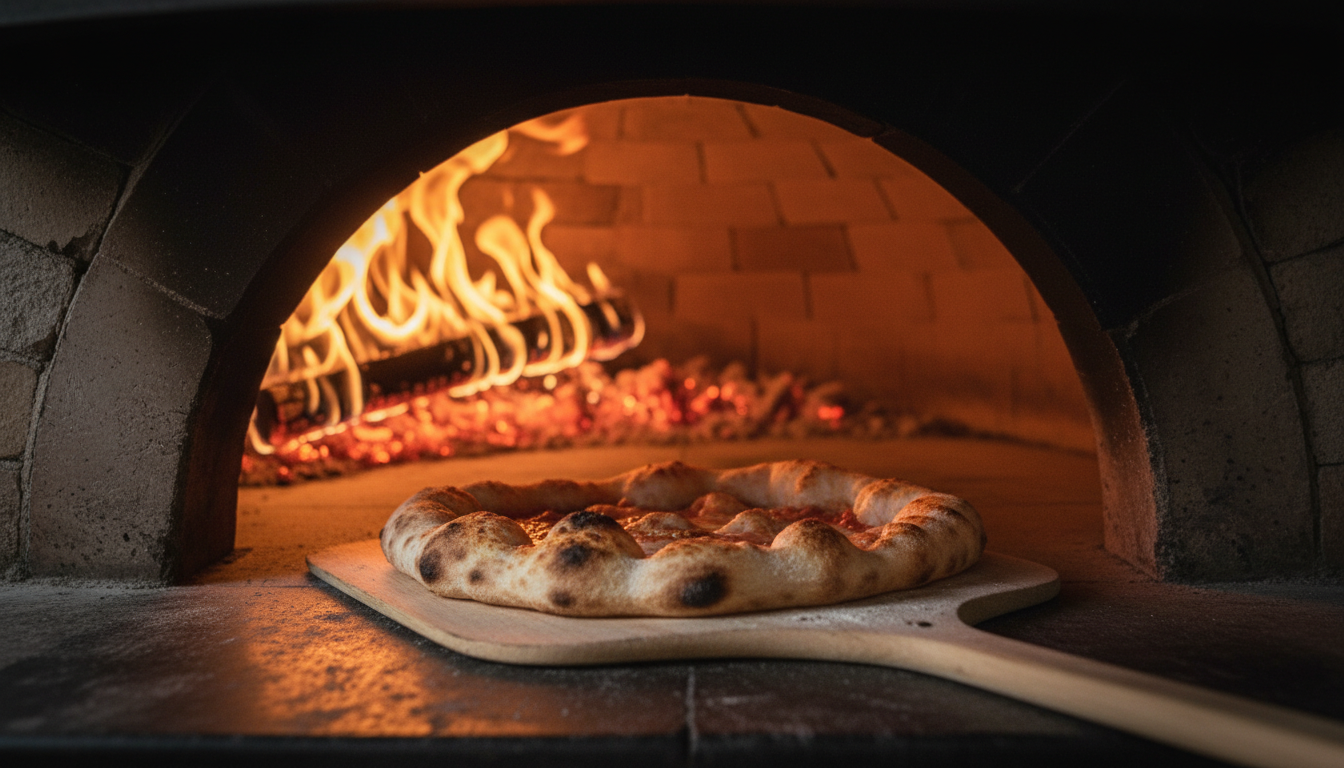
At home, you need to get as close to that inferno as possible. Here’s how:
- Pizza stone or steel: Place it on the highest rack in your oven and preheat for at least 45–60 minutes at your oven’s maximum temperature (typically 250–290°C / 480–550°F). A pizza steel conducts heat more efficiently than stone and produces a superior bake.
- Broiler/Grill finish: After launching your pizza onto the stone, switch to the broiler for the final 1–2 minutes. This blasts the top of the pizza with direct radiant heat, blistering the crust and giving your mozzarella that gorgeous golden-brown color.
- Launch technique: Use a well-floured wooden peel (semolina flour works great) to slide the pizza confidently onto the stone. A hesitant launch = a misshapen pizza.
The total bake time at home will be 5–8 minutes depending on your oven. The crust should be deeply golden, puffed, and spotted. The cheese should be bubbly with a few brown patches. The base should be crisp and hold up when you pick up a slice.
The Perfect Slice: Worth Every Bite
There’s one final, non-negotiable rule of great pizza: let it rest for 2–3 minutes before slicing. This allows the cheese to set slightly and the sauce to stop bubbling, so your first bite isn’t a molten avalanche (though that does have its own appeal).
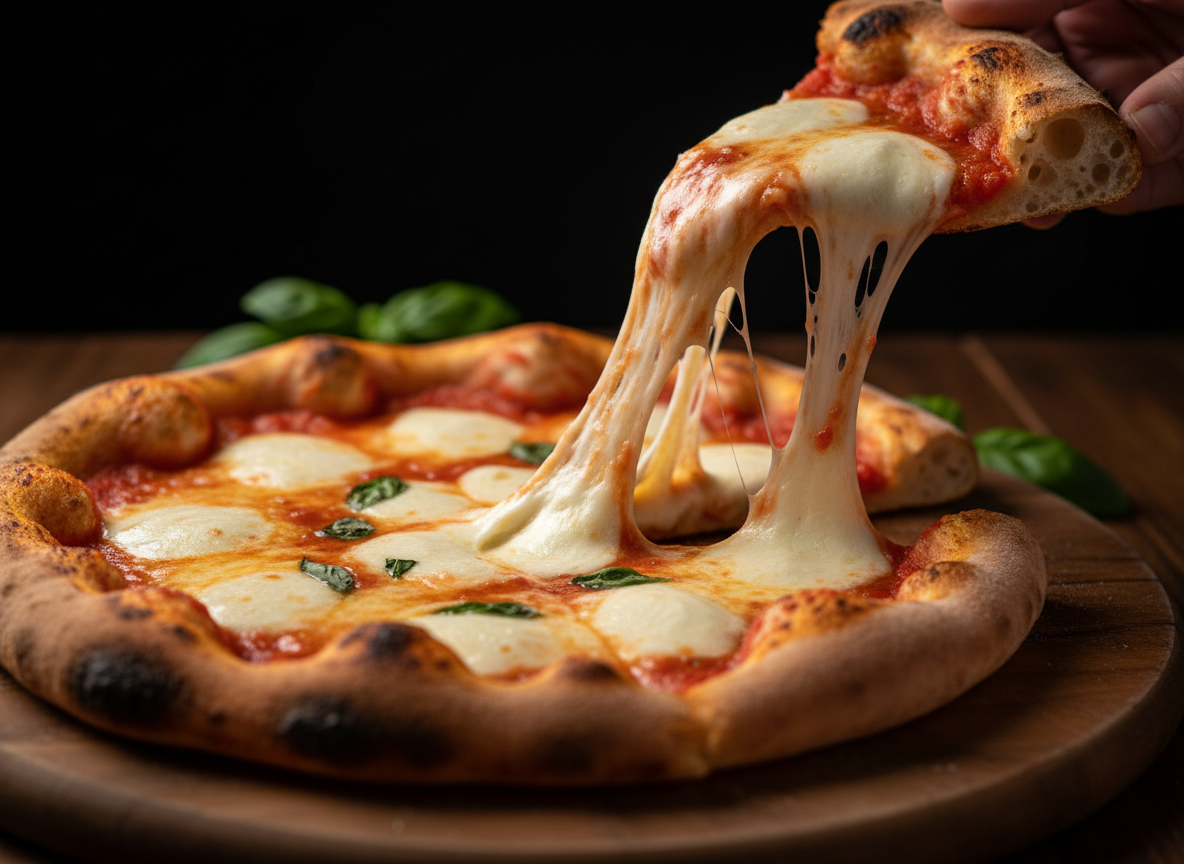
When you finally pull that first slice, the cheese should stretch in long, glistening ribbons — the universal sign of a pizza made with love and skill. The crust should offer a satisfying crunch before giving way to a soft, airy interior. The flavors should be balanced: rich and savory from the tomato and cheese, bright from the basil, and subtly complex from the long-fermented dough.
This is what pizza is all about. Not just a meal — an experience. One that connects us to centuries of Italian culinary tradition, to the warmth of a shared table, and to the simple, profound joy of eating something made with the best ingredients and genuine care.
Ready to Make Your Best Pizza Yet?
The path to pizza mastery is paved with a little flour, a lot of heat, and an endless appetite for delicious experimentation. Start with a cold-fermented dough this weekend. Source the best mozzarella you can find. Crank your oven to maximum. And enjoy every single imperfect, magnificent bite along the way.
Because in the end, the best pizza isn’t necessarily the one made by a master pizzaiolo in Naples — it’s the one you made yourself, for the people you love, at home.