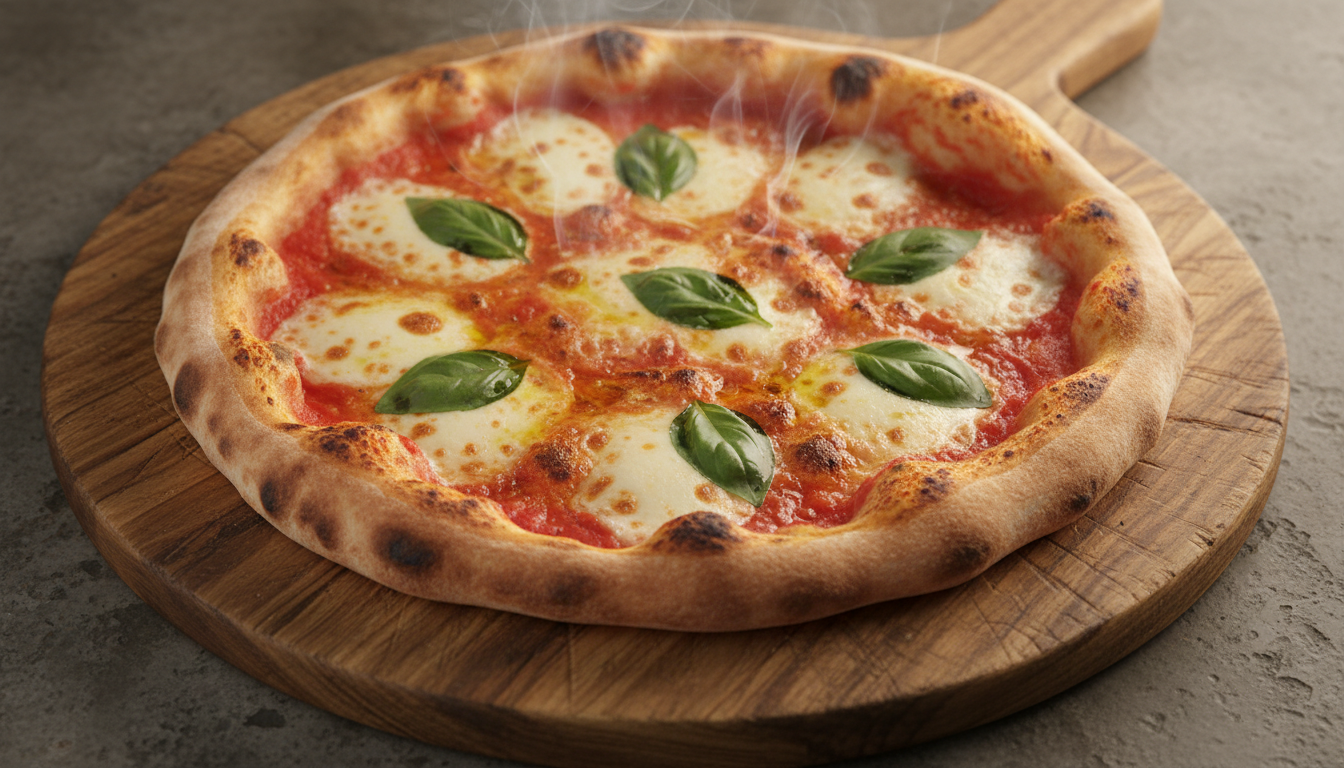
There is something almost magical about a pizza made from scratch. The smell of dough proving on the counter, the sizzle of sauce hitting a hot stone, the golden crust emerging from the oven — homemade pizza is one of the great joys of the kitchen. Whether you are a total beginner or a seasoned home cook, mastering the art of pizza at home will reward you every single time.
In this guide, we will walk you through every stage of the process: from mixing and fermenting the perfect dough, to choosing the best toppings, to achieving that elusive restaurant-quality bake right in your own oven. Let’s get started.
The Secret Is in the Dough
Ask any pizzaiolo and they will tell you the same thing: the dough is everything. A great pizza crust should be crispy on the outside, chewy in the middle, and full of flavour from a slow, cold ferment. The good news? It only requires four ingredients — flour, water, salt, and yeast — but the technique makes all the difference.
For the best results, use a high-protein flour (such as Italian “00” flour or strong bread flour), which gives the dough its characteristic chew. Mix your ingredients until just combined, then let time do the work. A cold ferment in the refrigerator for 24–72 hours develops complex flavours that a quick same-day dough simply cannot match. When you are ready to bake, remove the dough two hours before shaping to let it come to room temperature.
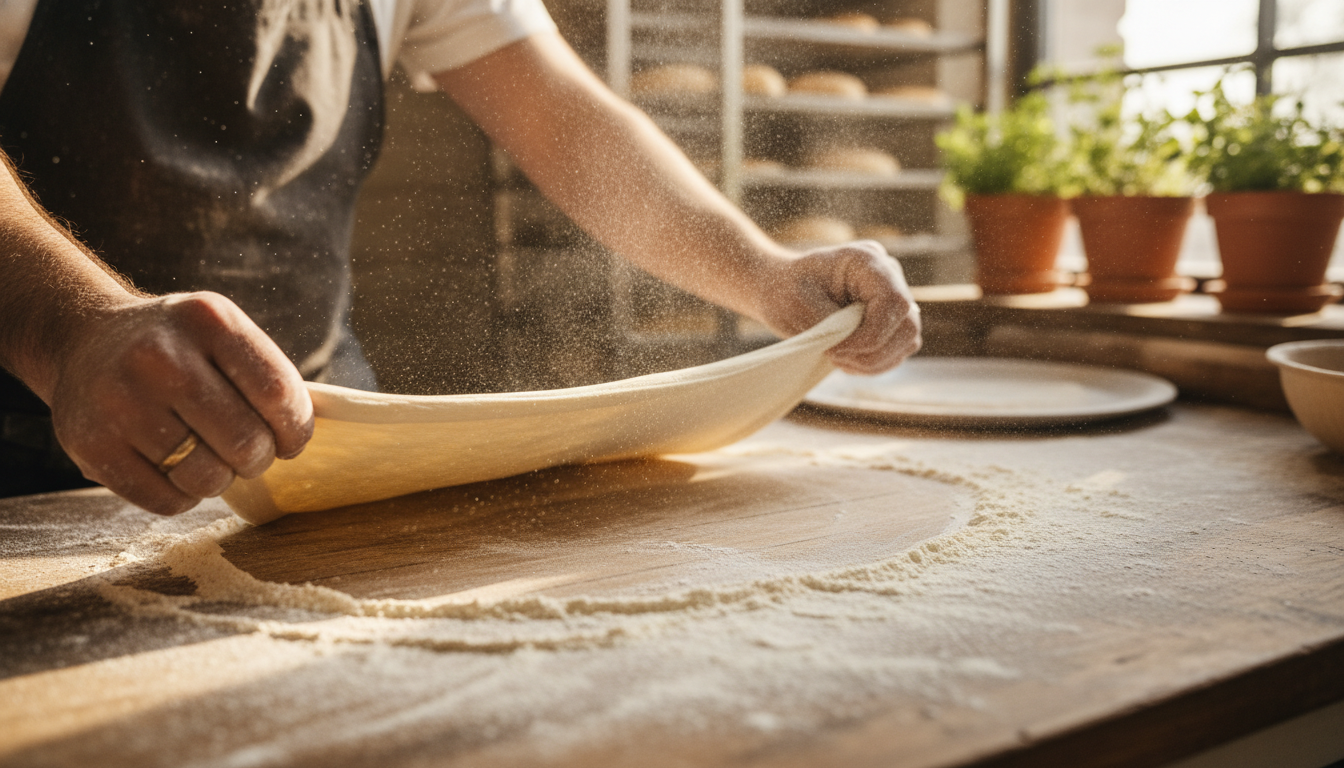
Shaping the dough is a skill that takes a little practice but is enormously satisfying once mastered. Place your ball of dough on a well-floured surface and begin pressing outward from the centre with your fingertips, leaving a slightly thicker border for the crust. Then gently stretch it with your knuckles, working around the edge in a circular motion. Resist the urge to use a rolling pin — it presses out all the precious air bubbles that give your crust its light, open texture.
Choosing the Right Toppings
One of the greatest myths about pizza is that more toppings equals a better pizza. In reality, the finest pizzas in the world are often the simplest. A classic Margherita — tomato, mozzarella, and basil — celebrates each ingredient in its purest form. When your ingredients are truly great, restraint is a superpower.
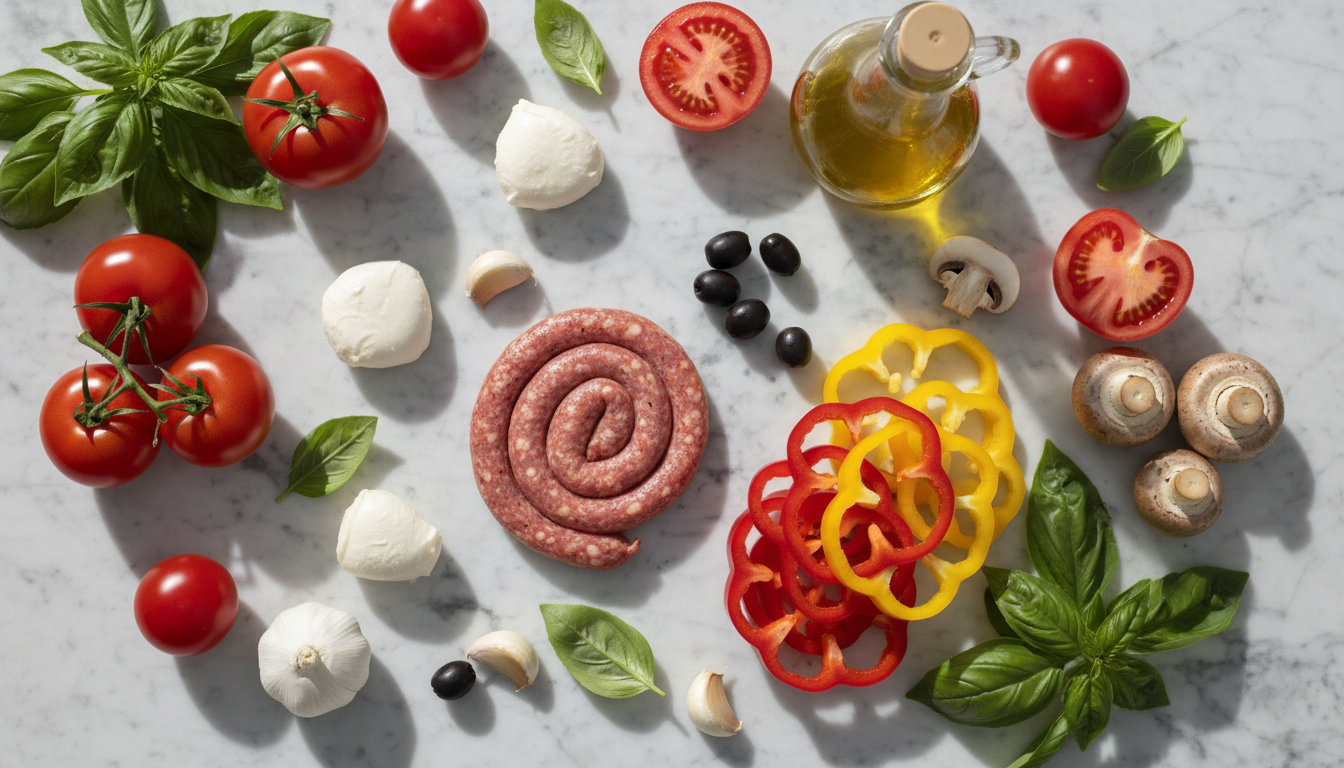
That said, the beauty of homemade pizza is total creative freedom. Here are a few winning combinations to inspire you:
- Classic Margherita: San Marzano tomato sauce, fresh fior di latte mozzarella, fresh basil, a drizzle of extra virgin olive oil.
- Mushroom & Truffle: White cream base, mixed wild mushrooms, taleggio cheese, fresh thyme, a finishing drizzle of truffle oil.
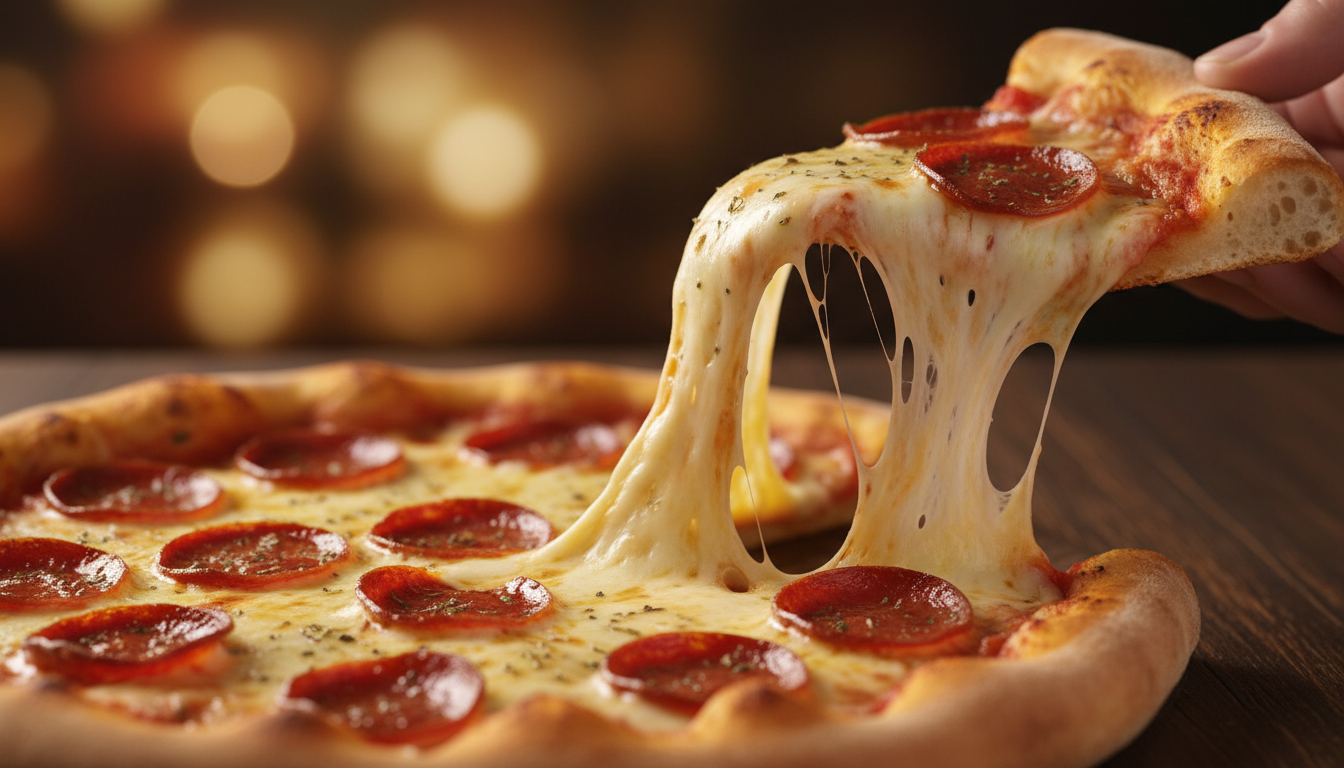
- Spicy Pepperoni: Rich tomato sauce, low-moisture mozzarella, generous pepperoni, fresh chilli flakes, honey drizzle after baking.
- Roasted Vegetable: Tomato base, zucchini, red peppers, red onion, sun-dried tomatoes, goat cheese, fresh rocket added post-bake.
- Four Cheese (Quattro Formaggi): Mozzarella, gorgonzola, parmigiano reggiano, and fresh ricotta — cheese lovers’ paradise.
Always apply toppings sparingly. A crowded pizza takes longer to cook, creates steam that makes the base soggy, and obscures the delicate flavours of each ingredient. Less truly is more.
Getting the Perfect Bake at Home
The biggest challenge of baking pizza at home is heat. Professional wood-fired ovens reach temperatures of 400–500°C, cooking a pizza in 90 seconds or less. Your home oven likely maxes out at around 250–280°C — but with the right technique, you can get surprisingly close results.
The most important investment you can make is a pizza stone or a baking steel. Both materials absorb and retain intense heat, mimicking the floor of a real pizza oven. Place your stone or steel on the highest rack of your oven and preheat for at least 45–60 minutes at your oven’s maximum temperature. This is not optional — a thoroughly preheated surface is what gives you that quick, crispy base without overcooking the toppings.
Use a pizza peel (or the back of a flat baking tray) dusted generously with semolina or fine cornmeal to slide your pizza quickly and confidently onto the hot surface. The semolina acts like tiny ball bearings, allowing the pizza to glide off cleanly. Bake for 8–12 minutes, keeping a close eye on the crust and cheese. You are looking for golden-brown crust edges with a few char spots, fully melted and bubbling cheese, and a base that is cooked through and not at all doughy.
Tips from the Pros
After years of perfecting homemade pizza, here are the most impactful tips that will take your results to the next level:
- Use good quality canned tomatoes. San Marzano D.O.P. tomatoes crushed by hand make a better sauce than almost any fresh tomato you can buy off-season. Add only salt — no cooking required.
- Drain your mozzarella. Fresh mozzarella contains a lot of water. Tear it and let it drain on paper towels for 30 minutes before topping. This prevents a soggy pizza.
- Season your crust. Brush the outer crust with olive oil and a pinch of flaky salt before baking. It adds flavour and gives you a beautiful golden colour.
- Add fresh herbs after baking. Fresh basil, rocket, or flat-leaf parsley added immediately after the pizza comes out of the oven retains all its bright colour and fragrant aroma.
- Rest before cutting. Wait 2–3 minutes after removing from the oven before slicing. This lets the cheese set slightly so it doesn’t slide off with the first cut.
Make It a Ritual
Beyond the recipe, the best thing about homemade pizza is what it represents: a reason to gather, to slow down, and to create something delicious together. Set up a topping station with small bowls of ingredients and let everyone build their own. Make it a Friday night tradition. Experiment with new flavour combinations. Improve your dough a little each time.
Pizza is not just food — it is a ritual, a craft, and above all, a pleasure. Once you bake your first truly great homemade pizza, you will never look at a delivery box quite the same way again.
Happy baking — and buon appetito!