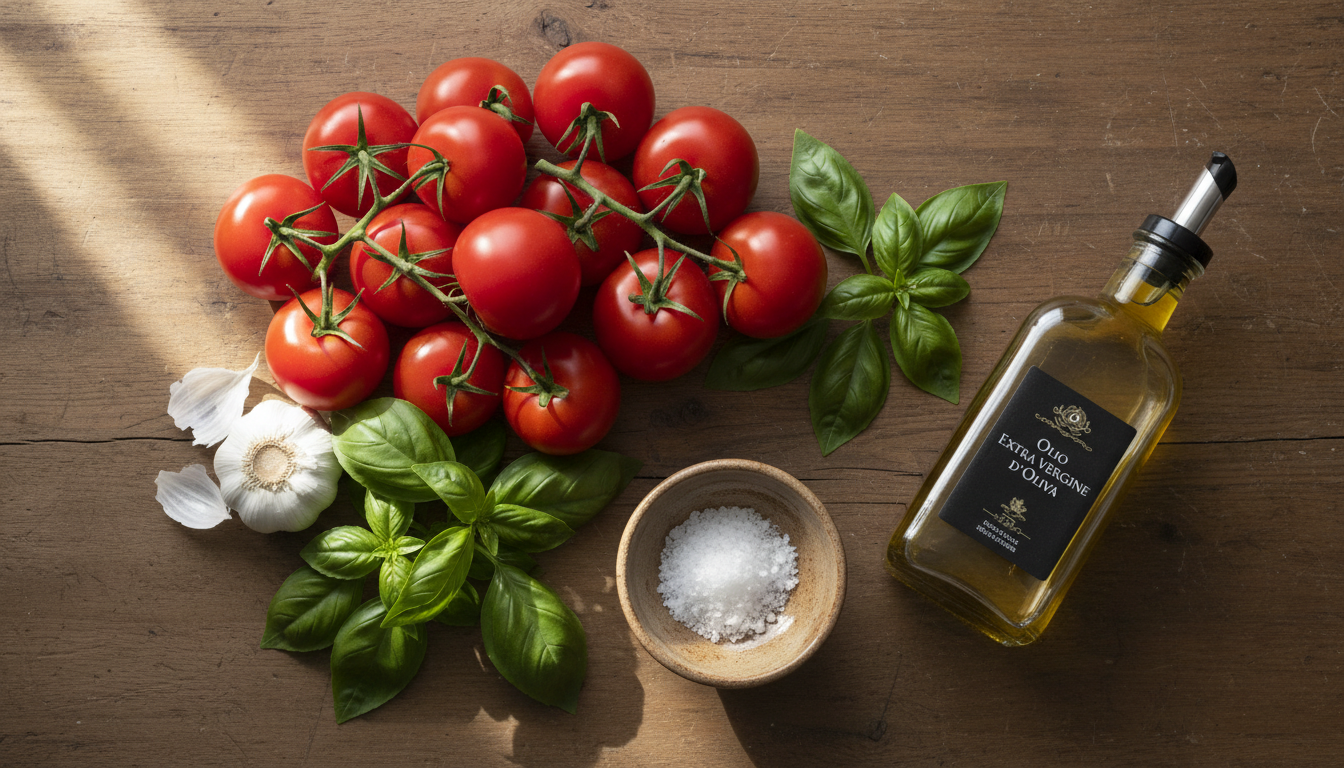
In the world of artisan pizza, the crust often gets the spotlight, and the toppings get the glory. But between the dough and the cheese lies the soul of the pizza: the sauce. A great sauce isn’t just a background player; it’s a vibrant, acidic, and herb-infused foundation that balances the richness of the cheese and the earthy notes of the crust. Mastering the science of pizza sauce is what separates a standard home-cooked pie from a gourmet masterpiece.
The Tomato: Finding the Perfect Base
Not all tomatoes are created equal, and for a truly professional sauce, the variety you choose is the most critical decision you’ll make. Most experts agree that the San Marzano tomato is the gold standard. Grown in the volcanic soil near Mount Vesuvius, these tomatoes have a thick flesh, fewer seeds, and a low acid content that results in a naturally sweet flavor profile.
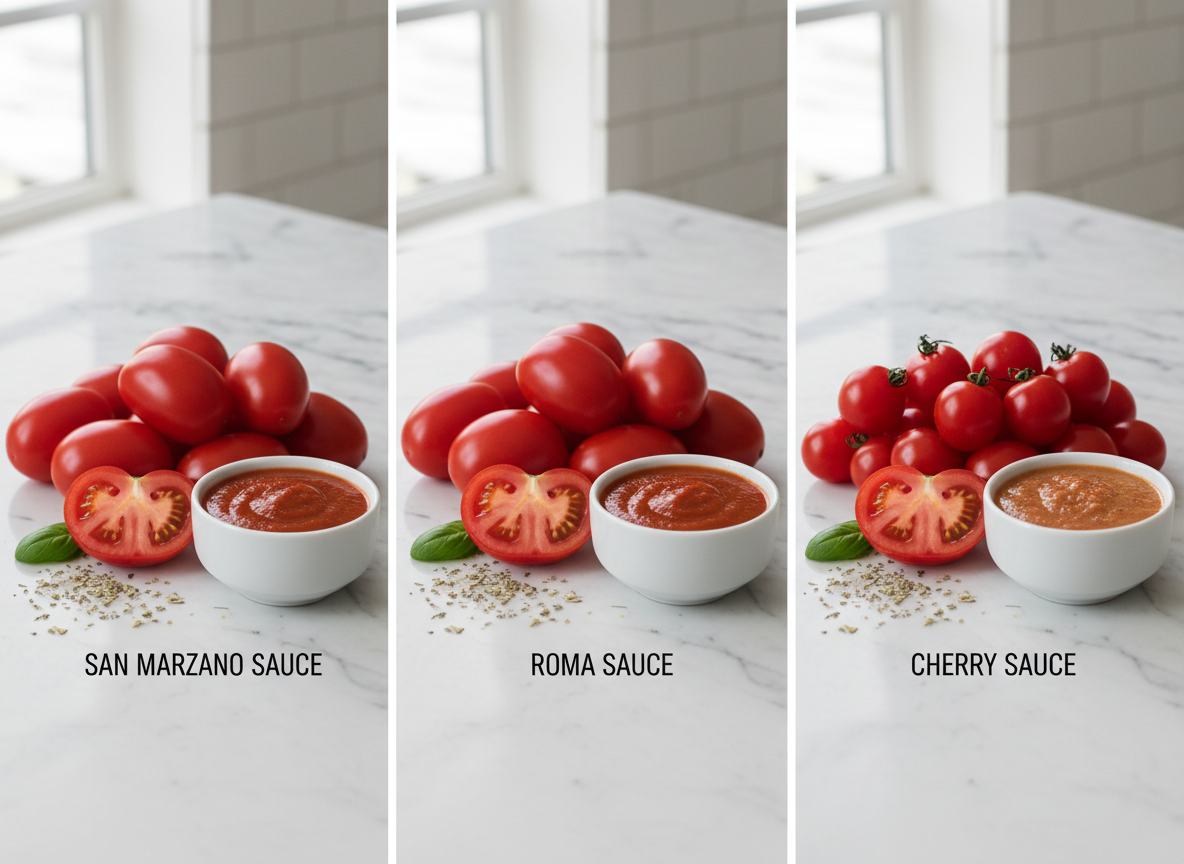
While San Marzanos are the classic choice, Roma tomatoes are a reliable and widely available alternative. They offer a similar meatiness that prevents your sauce from becoming too watery. Avoid using standard beefsteak or slicing tomatoes, as their high water content will lead to a soggy crust—the ultimate pizza sin.
To Cook or Not to Cook?
One of the most debated topics in the pizza world is whether the sauce should be cooked before it hits the dough. Traditional Neapolitan techniques favor a “raw” sauce, where high-quality canned tomatoes are simply crushed with a bit of salt and fresh basil. This approach preserves the bright, fresh acidity of the fruit, which then “cooks” for the first time in the intense heat of the pizza oven.
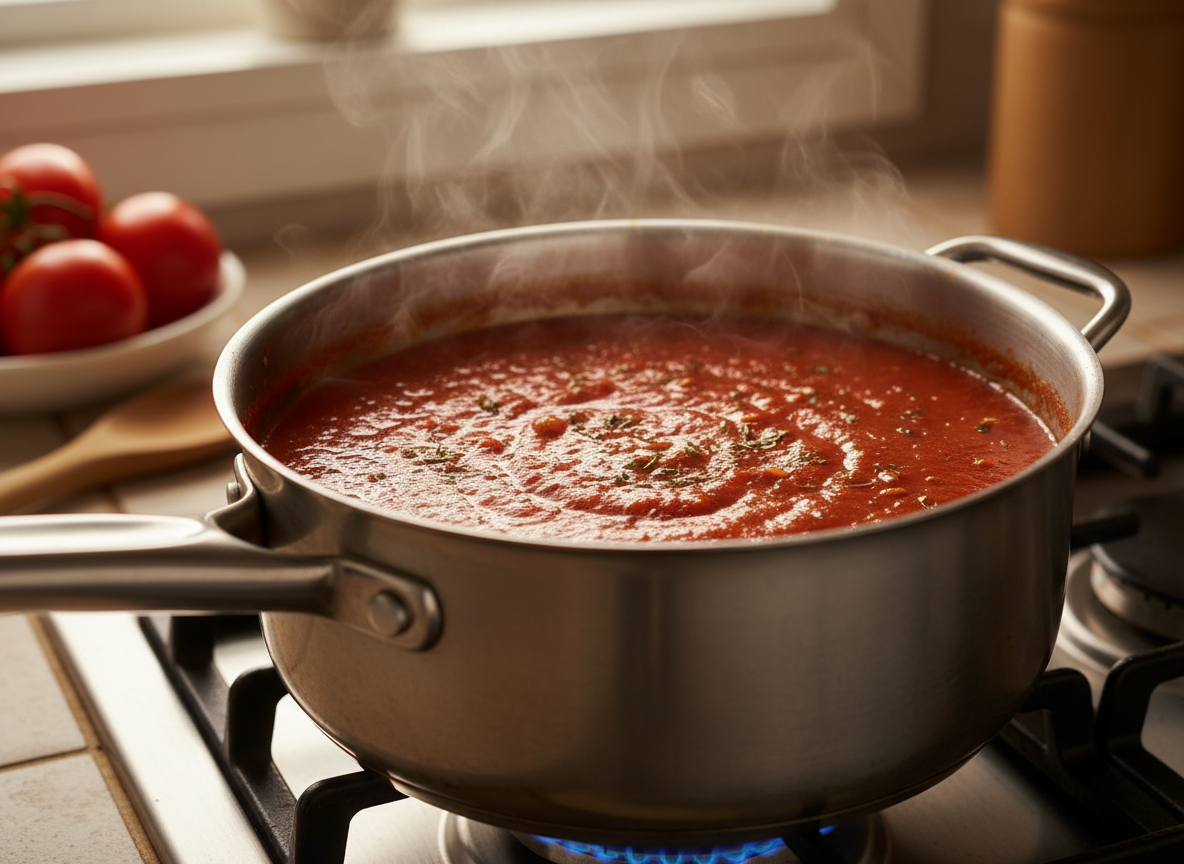
However, for New York-style or pan pizzas, a gently simmered sauce can add a layer of complexity. Simmering allows you to infuse the sauce with aromatics like sautéed garlic, dried oregano, and even a touch of red pepper flakes. The goal isn’t to create a heavy pasta sauce, but rather to concentrate the flavors and achieve a thicker consistency that stands up to longer bake times.
The Role of Aromatics and Seasoning
While the tomato is the star, the supporting cast of seasonings is what gives the sauce its personality. A pinch of high-quality sea salt is essential to enhance the natural sugars of the tomato. Fresh basil, torn by hand rather than chopped, adds a peppery, sweet aroma that is synonymous with Italian cooking.
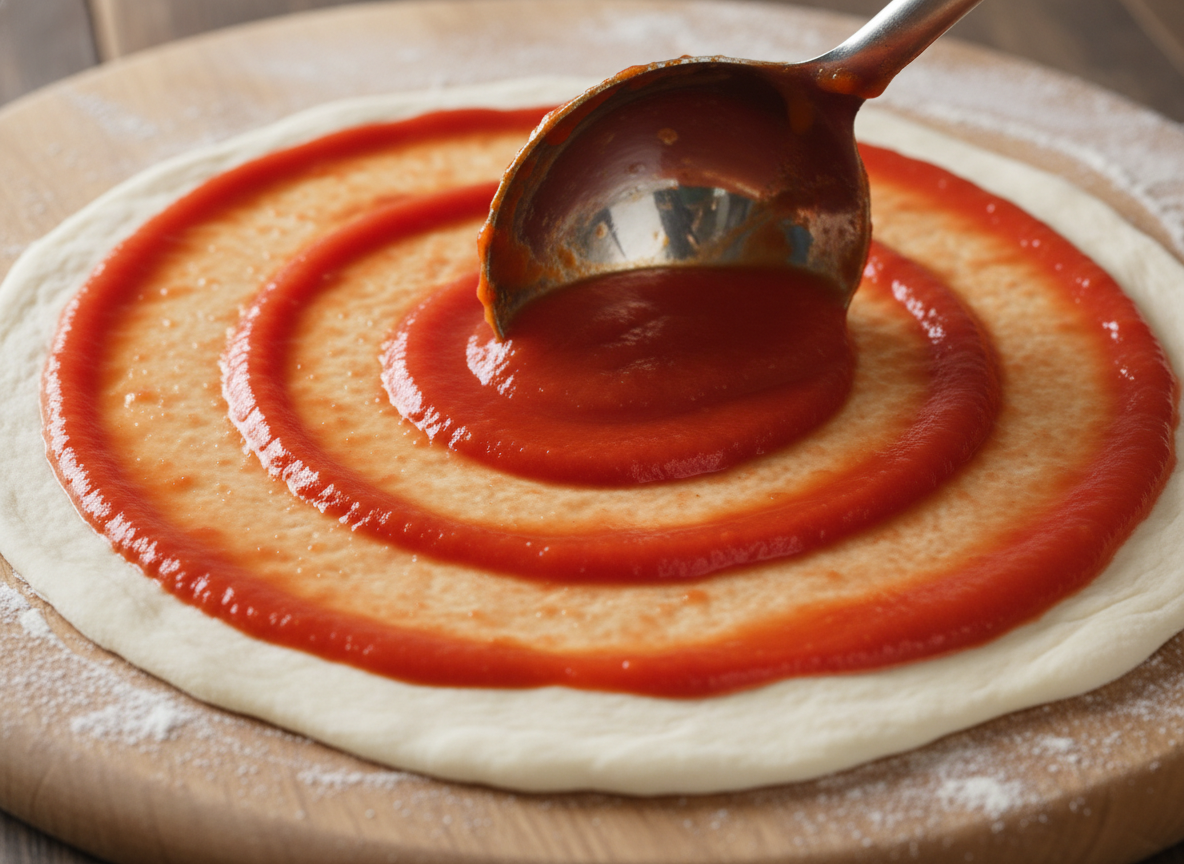
If your tomatoes are particularly acidic, a very small pinch of sugar can help balance the profile, though this shouldn’t be necessary with high-quality San Marzanos. Finally, never underestimate the power of a splash of extra virgin olive oil. It adds a silky mouthfeel and helps the flavors of the herbs bloom across your palate.
Conclusion: Your Signature Sauce
Whether you prefer the bright simplicity of a raw Neapolitan sauce or the deep, herb-infused notes of a simmered NY-style base, the science remains the same: it’s about balance, quality, and respect for the ingredients. Experiment with different ratios of salt, garlic, and herbs until you find the combination that speaks to you. Your signature sauce is the final piece of the puzzle in your journey to pizza perfection.