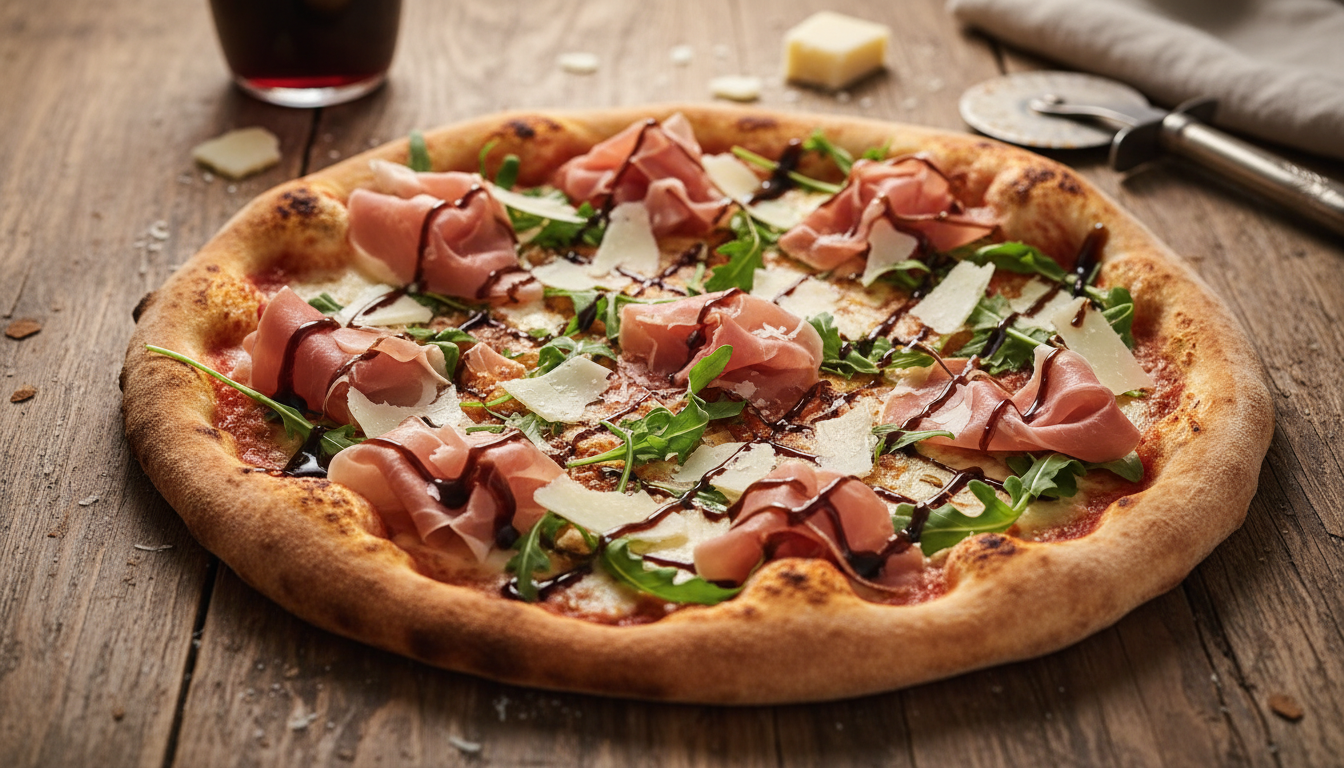
Pizza has evolved far beyond its humble origins as a simple Neapolitan street food. While the classic Margherita will always hold a sacred place in the culinary world, the modern pizza landscape has transformed into a sophisticated canvas for flavor experimentation. To move beyond the basics, one must understand that a truly exceptional pizza isn’t just about piling on ingredients; it is about the intentional orchestration of flavors and textures that challenge and delight the palate.
The Philosophy of Balance: Salt, Acid, Fat, and Heat
At the heart of every memorable pizza lies a fundamental culinary principle: the balance of Salt, Acid, Fat, and Heat (S.A.F.H.). When these four elements are in harmony, they create a profile that feels complete and deeply satisfying. Understanding how to manipulate these components is the secret to elevating a standard pie into a gourmet experience.
- Salt: This is the primary flavor enhancer. In the world of pizza, salt doesn’t just come from a shaker. It is found in cured meats like prosciutto or pancetta, aged cheeses like Pecorino Romano, and brined elements like olives or capers. Salt cuts through the richness of the dough and makes other flavors pop.
- Acid: Often the most overlooked element, acid provides the “brightness” that prevents a pizza from feeling too heavy. While the tomato base provides natural acidity, modern combinations often utilize balsamic reductions, pickled red onions, or a squeeze of fresh lemon over arugula to provide that necessary zest.
- Fat: This provides the mouthfeel and carries the flavor. Creamy mozzarella, buttery burrata, or even the rendered fat from spicy calabrese salami provide the richness we crave. However, the most nuanced fat often comes from the finishing touch. Understanding The Role of Olive Oil in Pizza: From Dough to Drizzle is essential, as a high-quality extra virgin olive oil can bridge the gap between disparate toppings.
- Heat: Heat adds dimension and excitement. This can be the sharp bite of raw garlic, the lingering warmth of red pepper flakes, or the trendy “hot honey” drizzle that has taken the pizza world by storm. Heat should stimulate the palate without overwhelming the delicate notes of the other ingredients.
The Foundation of Quality
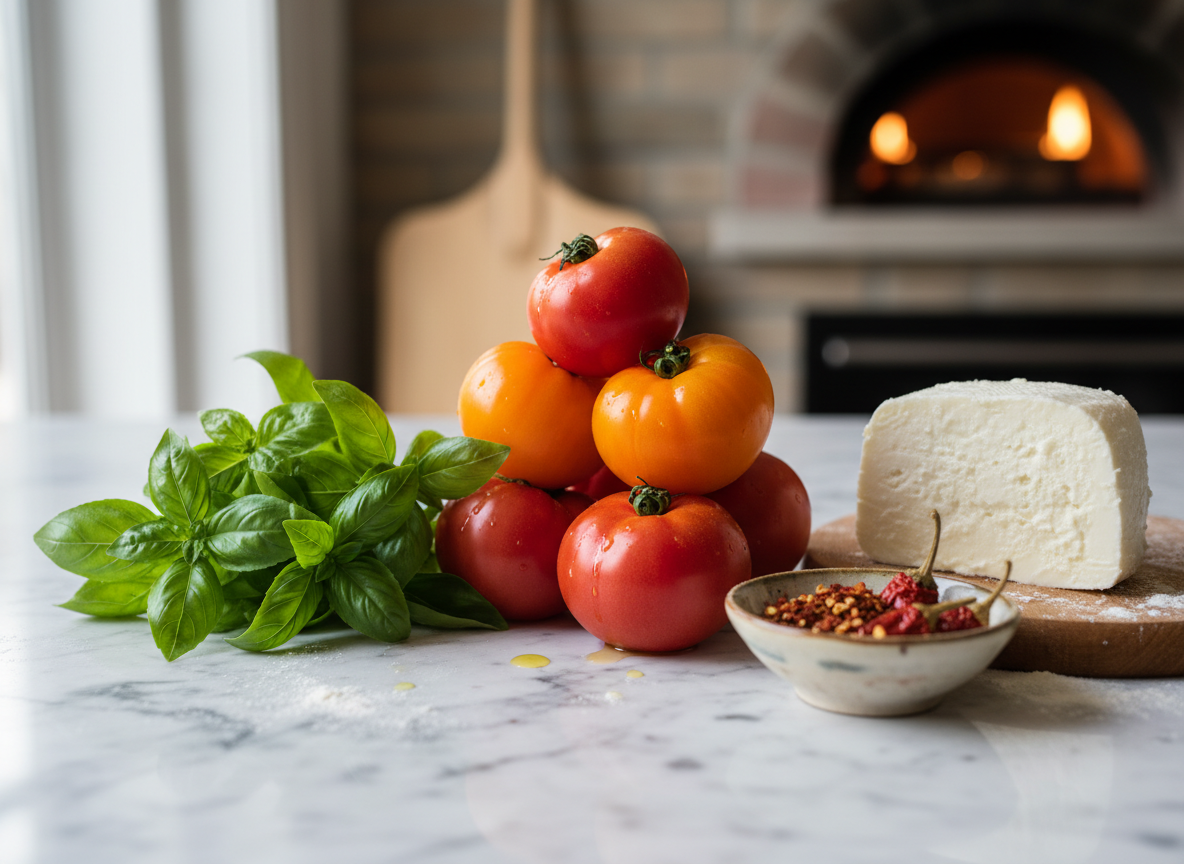
Before diving into complex combinations, it is vital to acknowledge that no amount of creative topping can rescue a pizza built on inferior ingredients. The “Art” of pizza begins with the integrity of the source. When you use San Marzano tomatoes grown in volcanic soil, or Mozzarella di Bufala sourced from specific regions in Italy, you are starting with a baseline of excellence. High-quality ingredients possess a depth of flavor that requires less “masking.” On a premium pizza, every ingredient should be able to stand on its own. This commitment to quality is a major factor in The Psychology of Pizza: Why We Crave the Perfect Slice; our brains recognize and reward the density of nutrients and the purity of well-crafted fats and proteins.
Classic vs. Modern Combinations
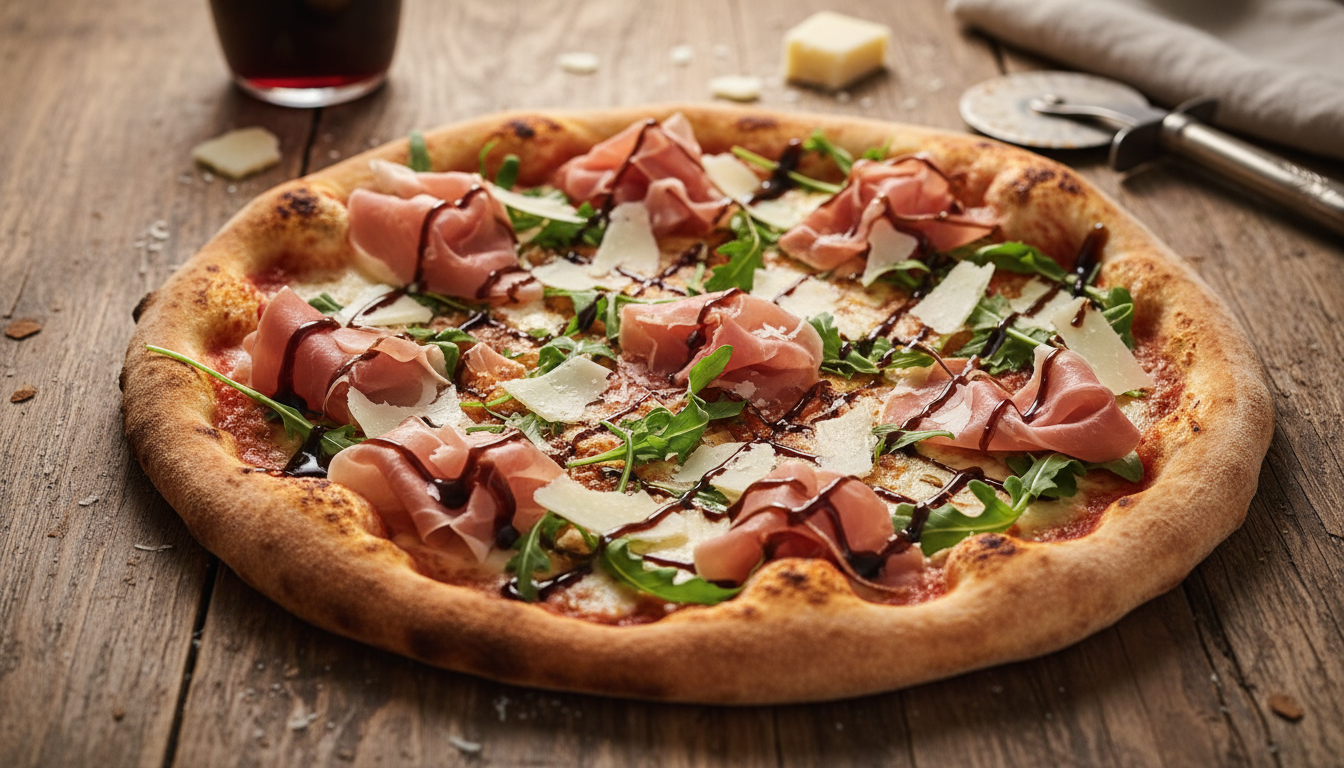
The transition from classic to modern pizza topping combinations is marked by a move toward “sweet and savory” and “textural contrast.” While the pepperoni pizza remains a staple, the modern epicurean seeks something more complex.
Pear and Gorgonzola: This is a masterclass in contrast. The sweetness and slight graininess of a ripe pear provide a counterpoint to the pungent, creamy, and salty profile of Gorgonzola cheese. Often finished with toasted walnuts for crunch and a drizzle of honey, this combination hits almost every note on the S.A.F.H. scale.
Prosciutto and Fig: This combination leans heavily into the Mediterranean tradition. The intense saltiness of thinly sliced prosciutto di Parma pairs beautifully with the jammy, honey-like sweetness of fresh or dried figs. When placed on a white base (pizza bianca) with a touch of rosemary, it creates a sophisticated profile that feels more like a curated charcuterie board than a standard pizza.
Nduja and Burrata: For those who crave heat and creaminess, the combination of Nduja (a spicy, spreadable pork sausage from Calabria) and cold burrata cheese is unmatched. The Nduja melts into the crust, providing fat and intense heat, while the burrata is added after baking to provide a cooling, luxurious contrast.
Completing the Experience
The art of the perfect pizza doesn’t end when the tray leaves the oven. To truly appreciate the nuances of complex topping combinations, one must consider the environment and the accompaniment. The beverage you choose can either highlight the acidity of your toppings or cleanse the palate of rich fats. Exploring The Art of Pizza and Beverage Pairings: Finding Your Slice’s Soulmate is the final step in mastering the pizza experience. Whether it’s a crisp craft ale to cut through a heavy meat topping or a dry sparkling wine to complement a delicate pear and gorgonzola pie, the right pairing ensures that every bite is as impactful as the first.
Ultimately, moving beyond the basics of pizza toppings requires a willingness to experiment and a respect for the balance of flavors. By focusing on high-quality ingredients and the fundamental principles of S.A.F.H., you can transform a simple meal into a culinary masterpiece.