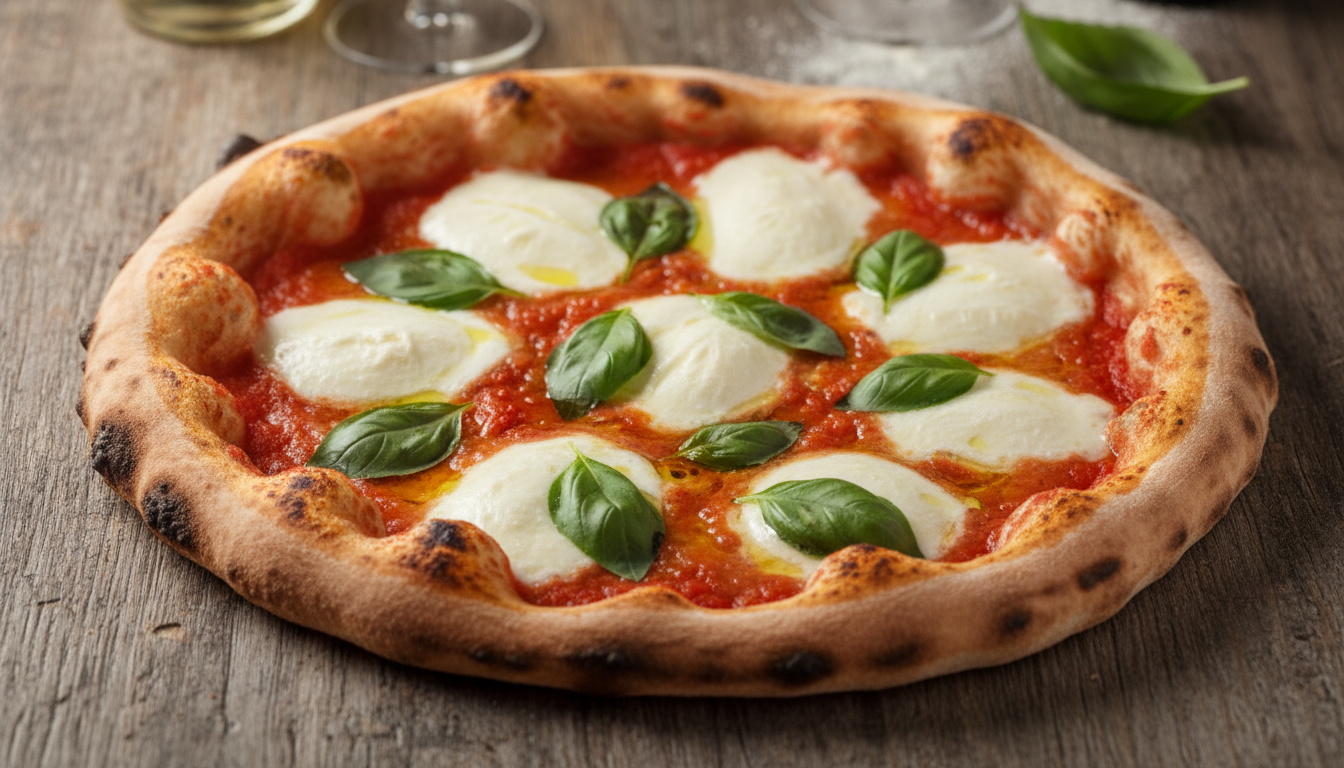
There is a fundamental difference between a pizza that satisfies hunger and a pizza that moves the soul. For many home bakers, the quest for the perfect crust is an ongoing journey of trial and error. While the toppings often get the glory, the foundation—the dough—is where the real magic happens. Mastering the art of the perfect crust requires a blend of science, patience, and a few artisanal secrets that can transform your kitchen into a world-class pizzeria.
The Flour Foundation: Why Type 00 Matters
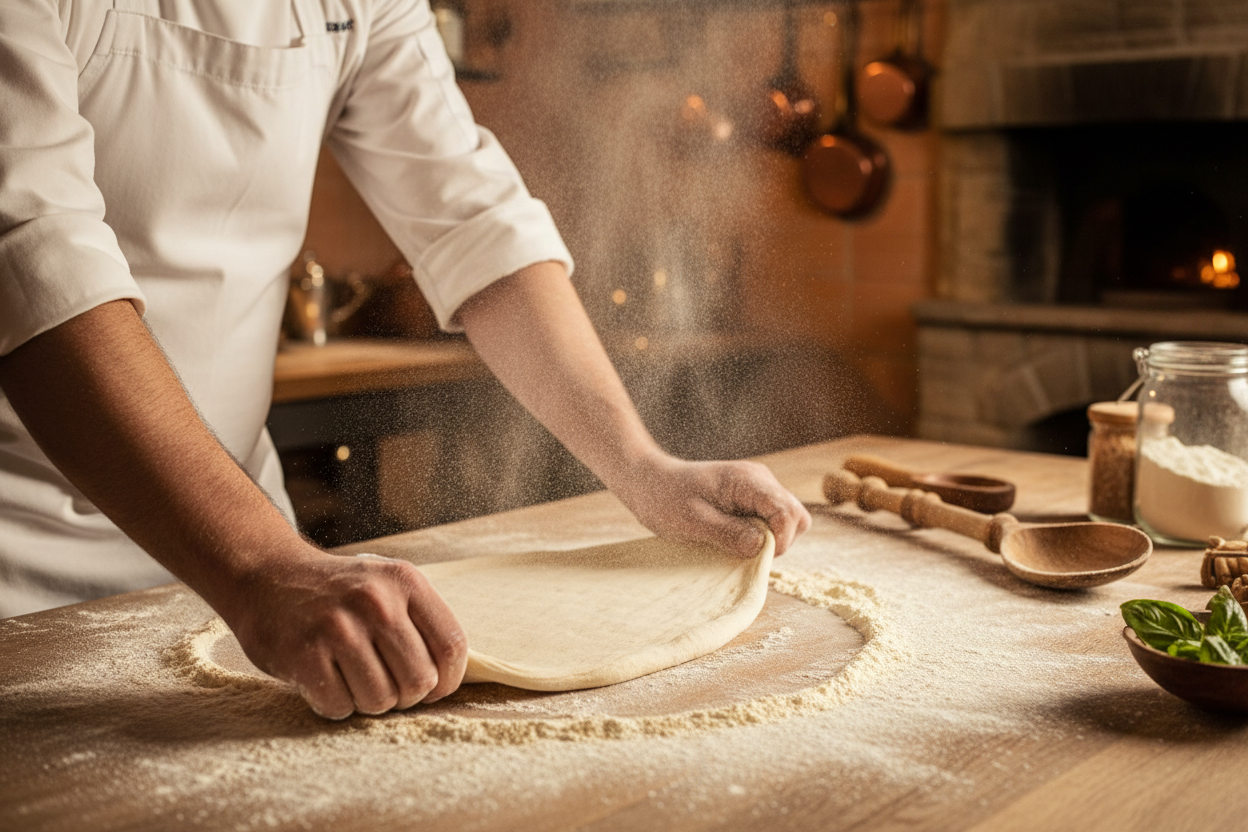
The journey to an exceptional crust begins with the selection of flour. While all-purpose flour can make a decent pie, true aficionados reach for “Tipo 00.” This Italian classification refers to the fineness of the mill. 00 flour is powder-soft and has a protein content specifically balanced for the high-heat environment of a pizza oven. It allows for a dough that is incredibly extensible—meaning it can be stretched thin without tearing—while still maintaining the strength to hold its structure.
The Secret of Cold Fermentation
If you are making dough and baking it an hour later, you are leaving flavor on the table. The “secret” used by top-tier pizzaiolos is cold fermentation. By placing your dough in the refrigerator for 24 to 72 hours, you slow down the yeast’s activity. This slow process allows the enzymes in the flour to break down complex starches into simple sugars, creating a much more complex, slightly tangy flavor profile. Moreover, it improves the dough’s digestibility and creates those beautiful “leopard spots” on the crust during baking.
Conquering the Heat: The 500-Degree Challenge
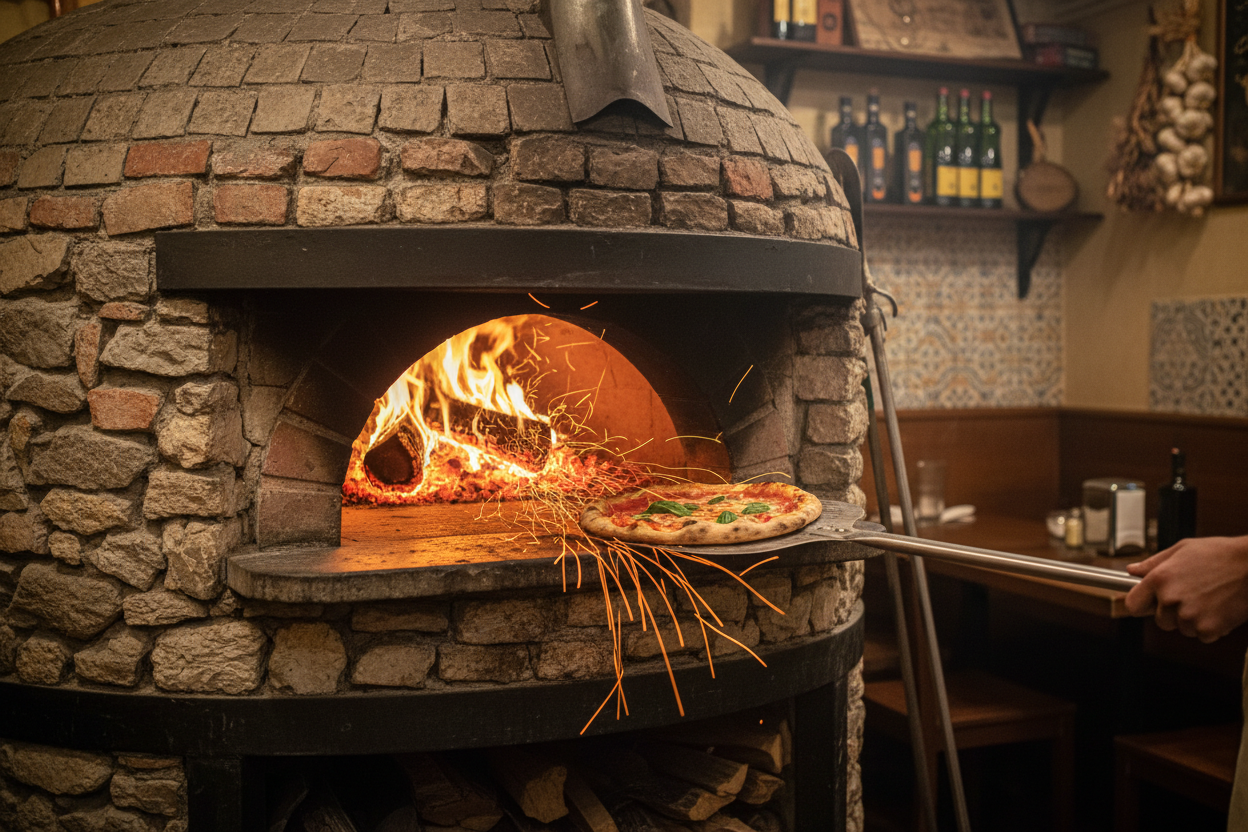
A home oven typically tops out at 500°F (260°C), while a professional wood-fired oven reaches nearly 900°F (480°C). This temperature gap is why home pizzas often lack that signature char. To bridge this gap, you need a pizza stone or, even better, a pizza steel. These tools act as thermal batteries, absorbing heat and transferring it instantly to the bottom of the dough. This “oven spring” creates the rapid expansion of gases that results in a light, airy crumb instead of a dense, bready one.
Quality Over Quantity: Choosing Your Toppings
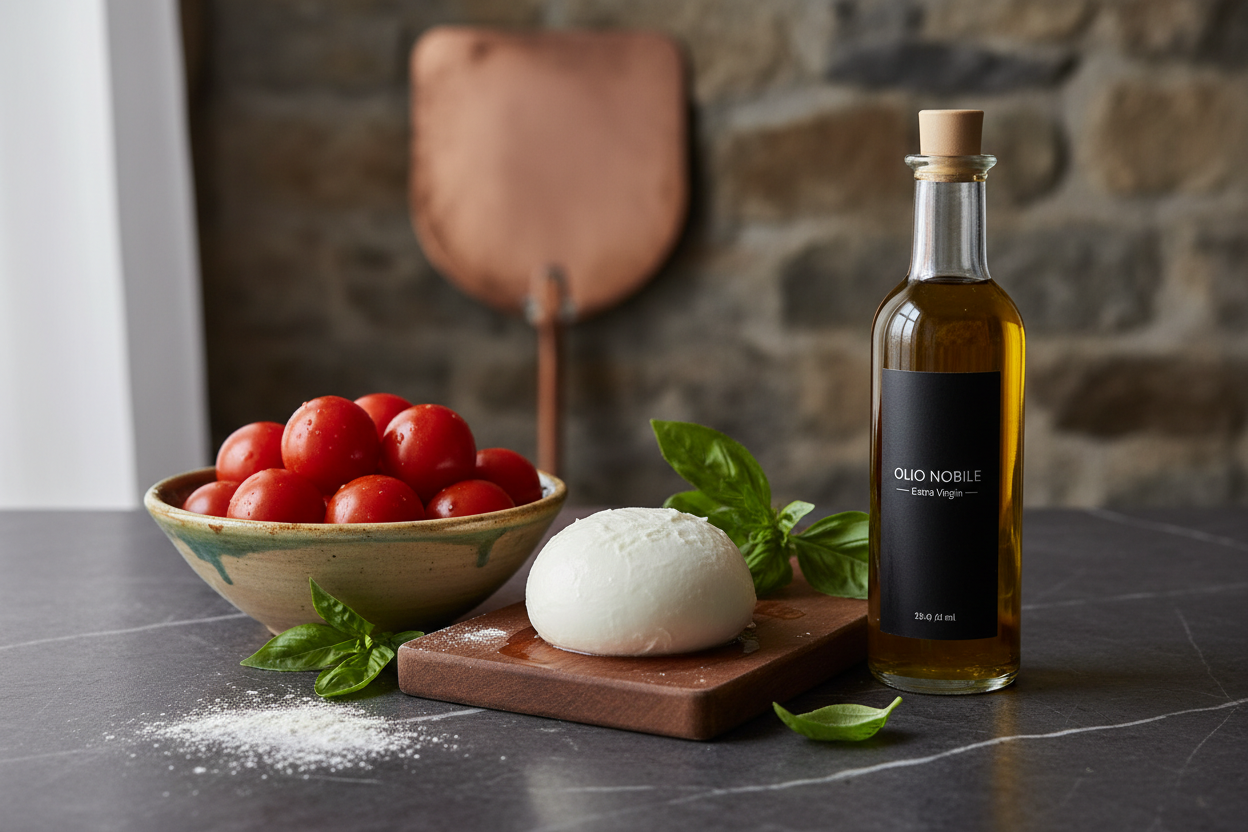
Once you have mastered the crust, the final step is restraint. A common mistake is overloading a pizza with too many toppings, which releases excess moisture and leads to the dreaded “soggy middle.” Instead, focus on a few high-quality ingredients. Use San Marzano tomatoes for their low acidity and thick flesh, and opt for fresh buffalo mozzarella, which has a higher fat content and a creamier melt than the low-moisture bricks found in grocery stores.
Final Thoughts: The Perfect Slice
Making pizza at home is as much an art as it is a science. It requires an understanding of hydration, temperature, and timing. But when you pull that first perfectly charred, bubbly pie out of the oven and hear the crunch of the crust as you slice through it, you’ll realize that every hour of fermentation and every gram of flour was worth it. Your home kitchen is now officially a pizzeria.