The Psychology of Pizza: Why We Crave the Perfect Slice
There is a universal truth that transcends borders, languages, and cultures: almost everyone loves pizza. Whether it is a thin-crust Margherita from a wood-fired oven in Naples or a thick, cheesy deep-dish slice from a corner shop in Chicago, the allure of pizza is undeniable. But have you ever stopped to wonder why? What is it about this specific combination of dough, sauce, and cheese that triggers such a profound sense of satisfaction? The answer lies at the intersection of chemistry, biology, and social psychology. Pizza isn’t just a meal; it is a carefully constructed sensory experience designed to hit every pleasure center in the human brain.
The Chemistry of Flavor: The Maillard Reaction
The obsession begins long before the first bite. It starts with the aroma. When a pizza enters a high-heat oven, a complex chemical process known as the Maillard reaction takes place. This is a chemical reaction between amino acids and reducing sugars that gives browned food its distinctive flavor. In the context of pizza, the Maillard reaction is responsible for the golden-brown char on the crust and the caramelized edges of the cheese and pepperoni.
Our brains are evolutionarily hardwired to seek out foods that have undergone this reaction. To our ancestors, “browned” meant “cooked” and “safe,” but more importantly, it meant “nutrient-dense.” The Maillard reaction produces hundreds of different flavor compounds, creating a depth of savory “umami” that raw ingredients simply cannot match. When you smell a pizza baking, your brain is essentially receiving a signal that a high-energy, flavor-packed feast is imminent, triggering an immediate release of dopamine.
A Symphony of Textures: Crunchy, Chewy, and Creamy
Beyond the chemical flavors, the physical structure of a pizza is a masterpiece of food engineering. Food psychologists often discuss “sensory-specific satiety,” which is the tendency for our interest in a single flavor or texture to decline as we eat. Pizza avoids this trap by offering a “texture trifecta” in every single bite. A truly great slice provides a contrast that keeps the palate engaged from start to finish.
The foundation of this experience is the crust. Achieving the right balance requires a deep understanding of artisan pizza making, where the hydration of the dough and the fermentation process create a base that is simultaneously crunchy on the outside and airy on the inside. This structural integrity is vital for the following reasons:
- The Crunch: The initial snap of the crust provides an audible and tactile satisfaction that signals freshness.
- The Chew: The gluten structure in the dough provides a satisfying resistance, making the act of eating more deliberate and enjoyable.
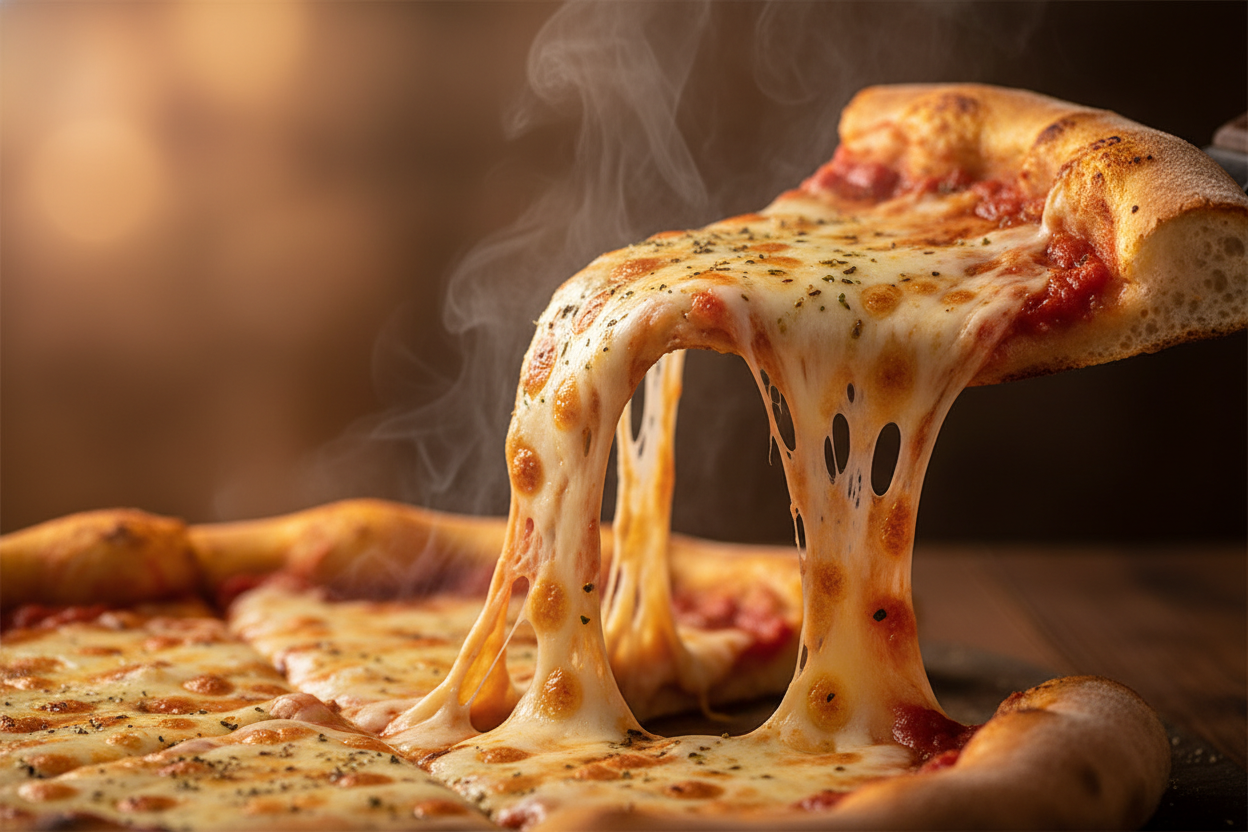
- The Creaminess: The melted fats in the cheese provide a smooth, coating mouthfeel that balances the acidity of the tomato sauce.
The Social Glue: Why We Share the Slice
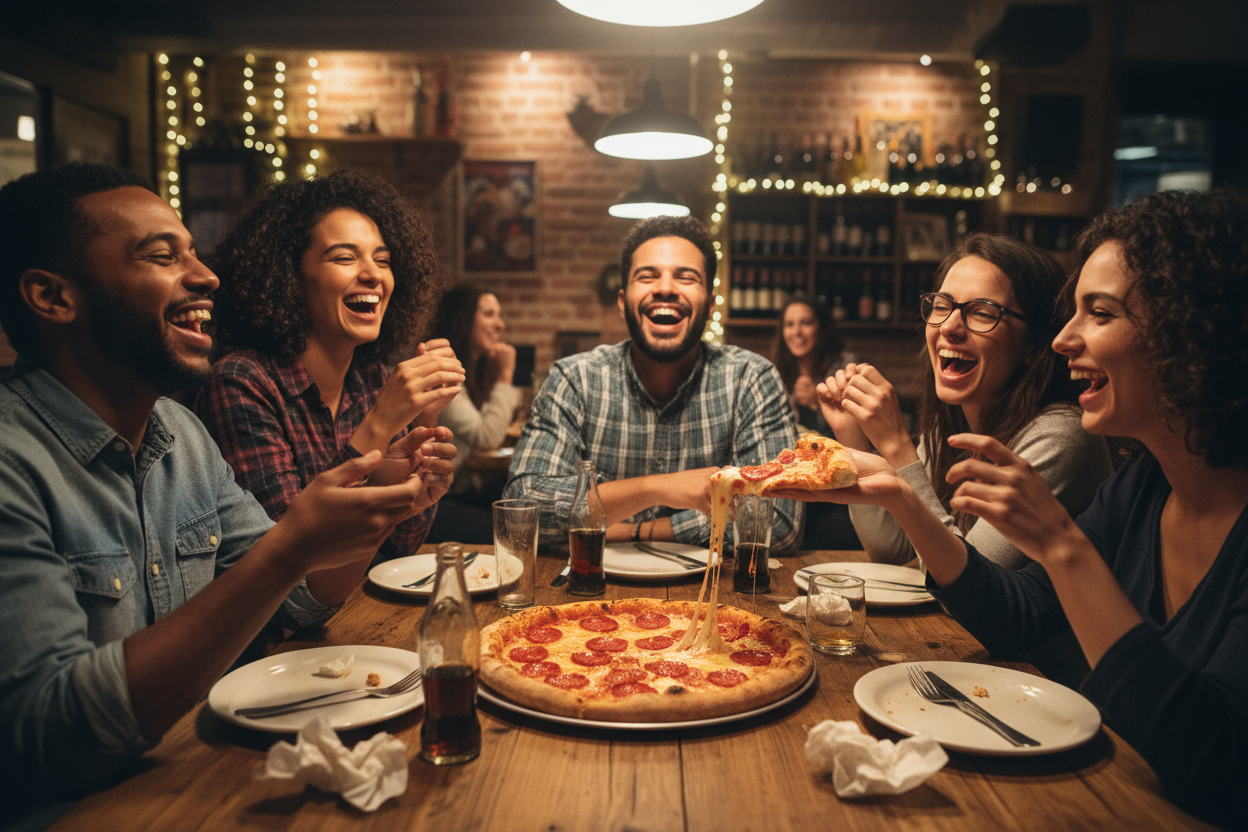
While the ingredients are important, the psychology of pizza is also deeply rooted in its role as a communal food. Unlike a steak or a bowl of pasta, which are typically individual portions, pizza is designed to be shared. It is the ultimate “social glue.” The act of opening a pizza box in a room full of people creates an immediate focal point, breaking down social barriers and encouraging interaction.
There is even a specific set of unwritten rules surrounding the experience, often referred to as pizza etiquette. From the way we fold our slices to the polite negotiation over who gets the last piece, pizza fosters a sense of community and fairness. This shared experience releases oxytocin, the “bonding hormone,” which explains why pizza is the go-to choice for everything from birthday parties to late-night study sessions. It is a food that represents comfort, safety, and togetherness.
The Evolution of Cravings
Finally, pizza appeals to our psychological need for both familiarity and novelty. We have our “standard” orders that provide comfort, but the platform of pizza allows for endless experimentation. The modern culinary landscape has seen a massive surge in innovation in pizza toppings, ranging from hot honey and pistachio to vegan proteins and fermented vegetables. This ability to customize the experience ensures that pizza never becomes boring. It evolves with our changing tastes while maintaining that core psychological profile of fat, salt, and carbohydrates that we are biologically programmed to love.
In conclusion, our craving for the perfect slice isn’t just about hunger. It is a complex reaction to the Maillard effect, a celebration of contrasting textures, and a deep-seated desire for social connection. The next time you take a bite of a hot, cheesy slice, remember: it’s not just dinner—it’s a psychological masterpiece.