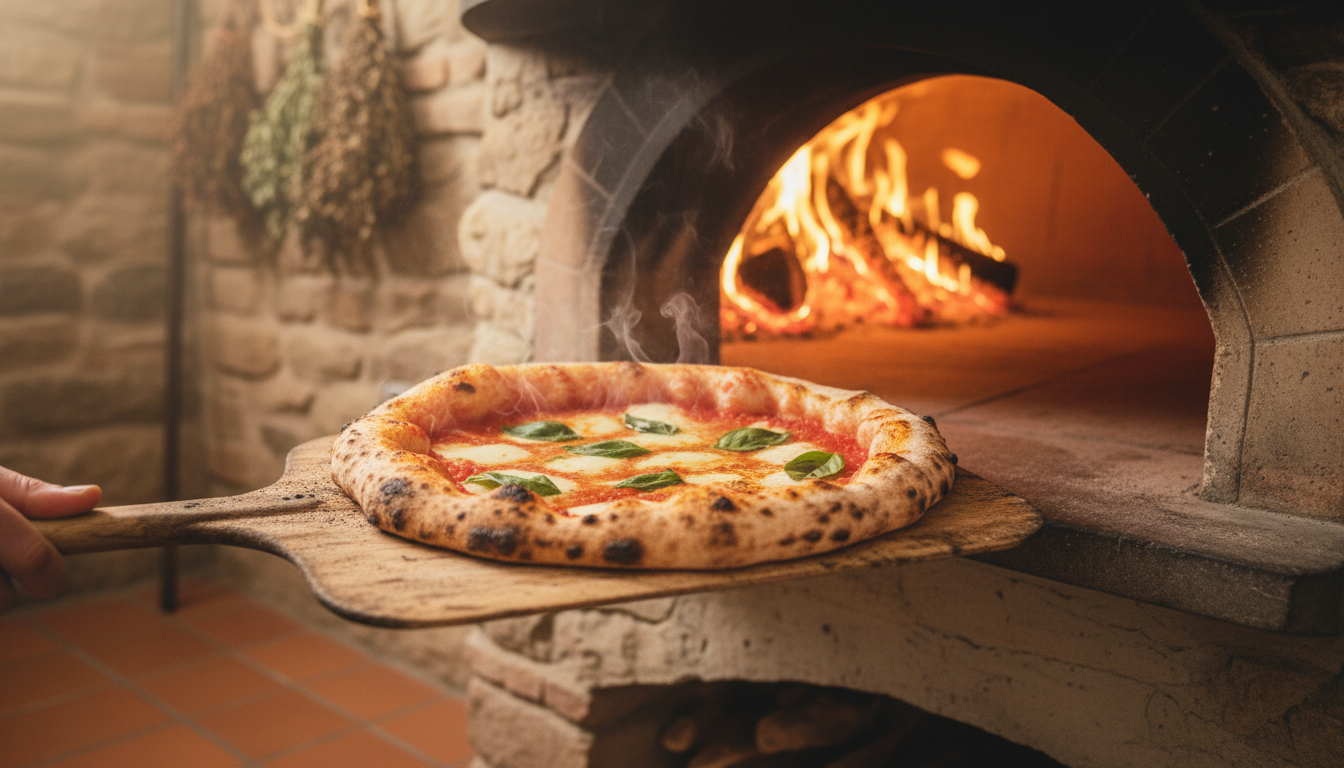
There’s a reason why pizza has conquered the world — but few people realise that behind every unforgettable slice lies a single, humble secret: the dough. Master the dough, and you master the art of pizza. In this guide, we’ll walk you through the timeless Italian techniques that transform a few simple ingredients — flour, water, salt, and yeast — into something truly extraordinary.
The Foundation: Understanding Pizza Dough
Authentic Neapolitan pizza dough has been refined over centuries in Naples, Italy. Unlike many modern shortcuts, traditional dough uses just four ingredients: 00 flour (finely milled Italian flour), water, salt, and fresh yeast. The magic lies not in the ingredients themselves, but in the ratios, the temperature, and above all — time.
Hydration is the cornerstone of great dough. Professional pizzaiolos typically aim for 60–65% hydration (water weight relative to flour). Higher hydration produces a lighter, airier crust with beautiful open crumbs, while lower hydration makes the dough easier to handle. For beginners, 62% is a sweet spot that balances workability with excellent results.
The Kneading Process: Building Strength and Elasticity
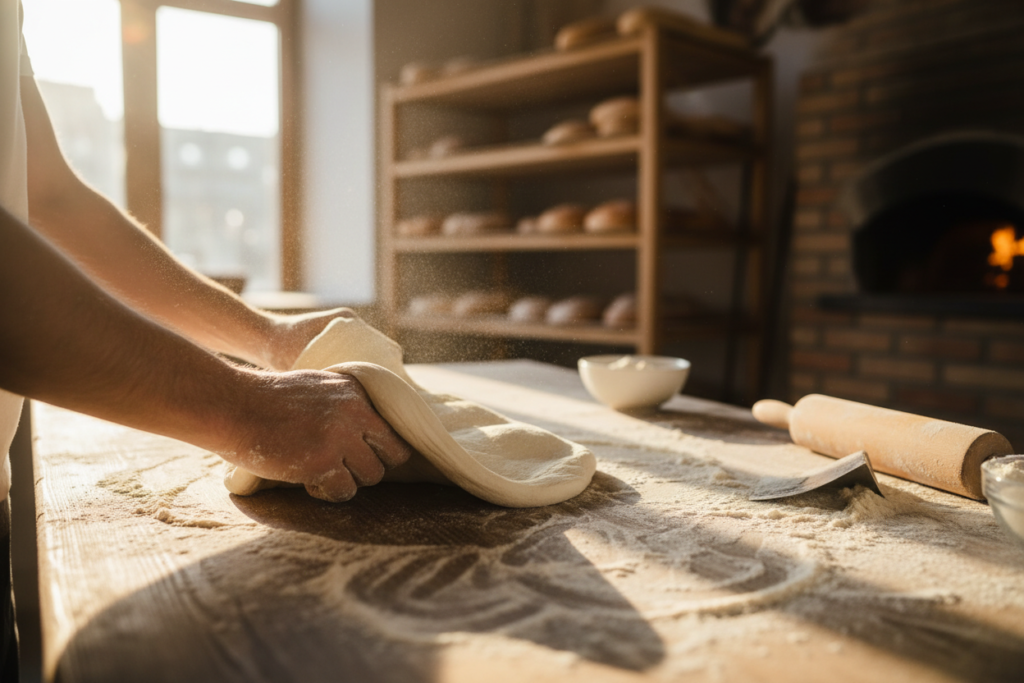
Kneading develops gluten — the protein network that gives pizza dough its characteristic stretch and chew. Traditional Italian bakers knead by hand for 15–20 minutes, using a rhythmic push-fold-turn motion. This isn’t just labour; it’s an intimate way to understand your dough, feeling it transform from a shaggy mass into a silky, elastic ball.
A properly kneaded dough should pass the windowpane test: stretch a small piece gently between your fingers — if it stretches thin enough to see light through without tearing, your gluten is well-developed. This is your green light to move to the most critical phase of all.
The Secret Weapon: Slow Fermentation
If kneading is the body of great pizza dough, then fermentation is its soul. Italian masters swear by a cold fermentation of 24 to 72 hours in the refrigerator. This slow, low-temperature rise allows enzymes in the flour to break down starches into complex sugars and amino acids, developing layers of flavour that fast-rise doughs simply cannot achieve.
During cold fermentation, wild yeasts and bacteria have time to produce lactic and acetic acids — the same compounds that give sourdough its characteristic tang. The result is a crust that tastes deeply of wheat, with a subtle complexity that makes every bite a revelation. Plan ahead: make your dough two days before pizza night and you’ll taste the difference immediately.
Choosing Your Toppings: The Italian Philosophy
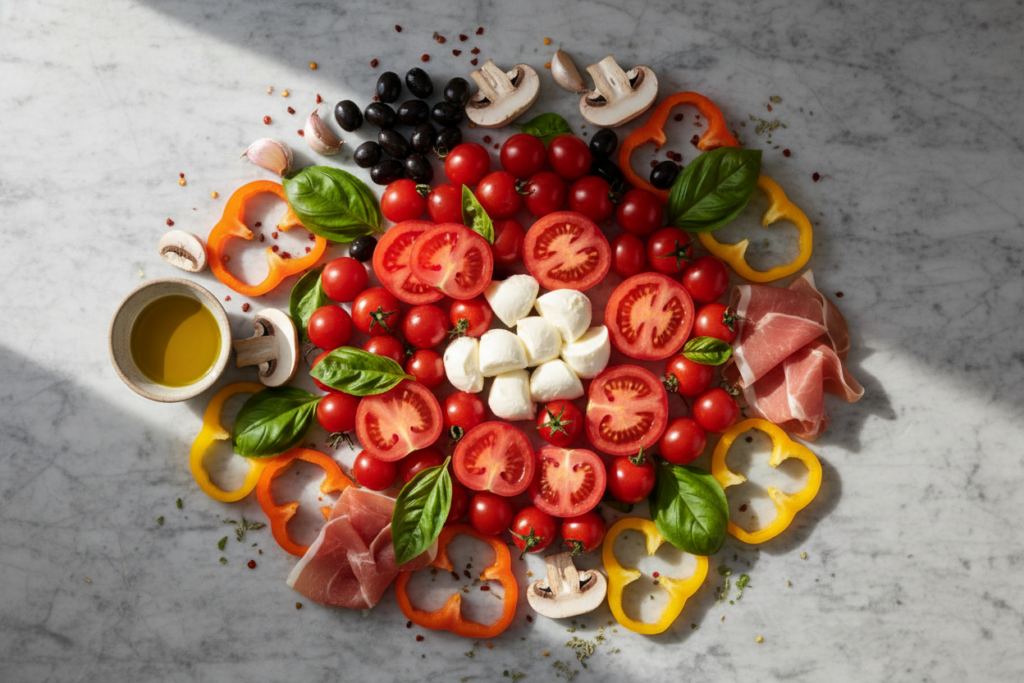
Italian pizza philosophy can be summed up in one word: restraint. The greatest pizzas in Naples — the Margherita, the Marinara — use just three or four ingredients, each of impeccable quality. San Marzano tomatoes, grown in the mineral-rich soil near Mount Vesuvius, form the base. Fresh fior di latte or buffalo mozzarella provides creamy richness. A handful of fresh basil leaves and a drizzle of cold-pressed olive oil complete the picture.
The lesson? Don’t try to pile on everything in your refrigerator. Choose two or three complementary toppings that allow each flavour to shine. Whether you favour the classic Margherita, a truffle and mushroom combination, or a spicy Diavola with salami and chilli, the key is balance. Each ingredient should earn its place on the pizza.
Baking: Getting as Close to a Wood-Fired Oven as Possible
Authentic Neapolitan pizza bakes for just 60–90 seconds at temperatures exceeding 450°C (840°F) in a wood-fired oven. At home, we have to work creatively to replicate those extremes. Here’s how:
- Pizza stone or steel: Place it in your oven and preheat for at least 45–60 minutes at maximum temperature. A steel conducts heat even more efficiently than stone, producing a crispier bottom crust.
- Broiler method: For the last 2 minutes of baking, switch to broil/grill to char the top of the crust and blister the cheese — the signature leopard spotting of a true Neapolitan pizza.
- Thin and fast: Stretch your dough thin (don’t use a rolling pin — it degasses the dough). A thinner pizza bakes faster and develops more flavour from the intense heat.
A Simple 72-Hour Pizza Dough Recipe
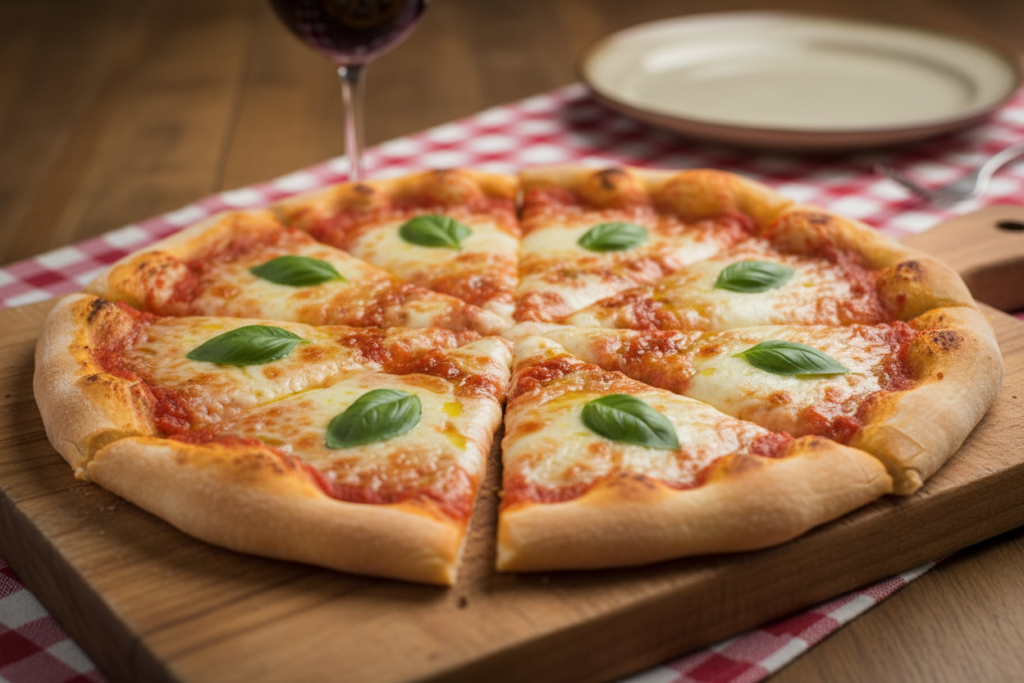
Ready to try it yourself? Here’s our go-to recipe for four Neapolitan-style pizza bases:
- 500g Italian 00 flour (or strong bread flour)
- 310ml cold water (62% hydration)
- 10g fine sea salt
- 1g fresh yeast (or 0.3g instant dry yeast)
Mix the flour and water until no dry flour remains, then rest for 30 minutes (autolyse). Add salt and yeast, knead for 15 minutes until smooth. Divide into 4 equal balls, place in lightly oiled containers, and refrigerate for 48–72 hours. Remove 2 hours before baking to come to room temperature. Stretch gently, top with your finest ingredients, and bake at maximum heat on a preheated stone or steel.
The Bottom Line
Great pizza is less about having the right equipment or rare ingredients, and more about patience, respect for process, and quality over quantity. The Italian masters didn’t develop these techniques overnight — they are the product of generations of refinement, passion, and an unwavering commitment to getting it right. Take your time with the dough. Taste it. Learn from it. And enjoy every single slice of the journey.
Have a favourite pizza recipe or topping combination? Share it in the comments below — we’d love to hear how you make your perfect pizza at home!