The Ultimate Guide to Gluten-Free Pizza: Mastering the Wheat-Free Crust
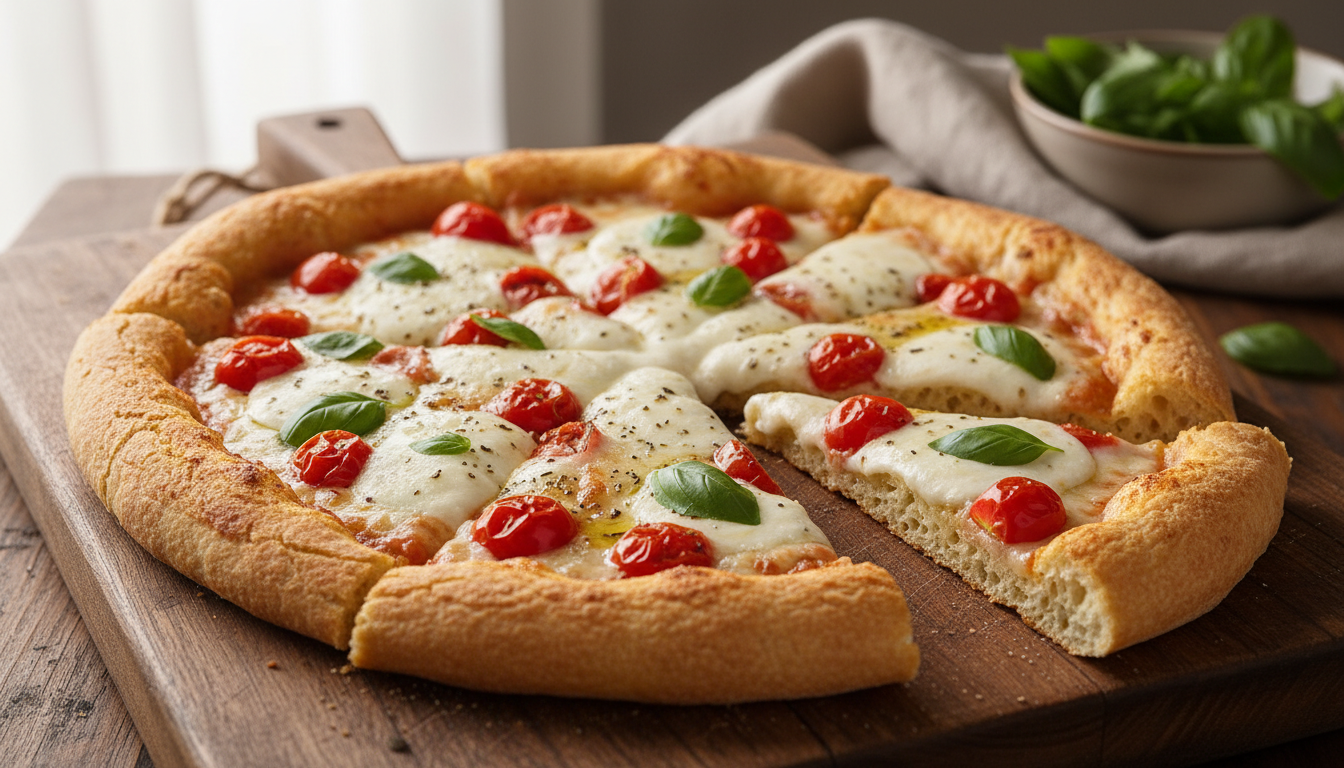
For a long time, the words “gluten-free” and “pizza” seemed like a contradiction in terms. Pizza is, at its heart, a celebration of gluten—the elastic protein that gives traditional dough its chew, its rise, and its iconic structure. However, the culinary world has undergone a revolution. Today, gluten-free pizza isn’t just a compromise for those with dietary restrictions; it’s a craft in its own right, offering unique flavors and textures that can rival even the most authentic Neapolitan slice.
Whether you’re managing Celiac disease, gluten sensitivity, or simply exploring new dietary horizons, mastering the wheat-free crust is a journey worth taking. While it differs significantly from the art of the perfect pizza crust made with traditional wheat flour, the principles of quality ingredients and careful technique remain the same.
The Science of Gluten-Free Dough
In traditional baking, gluten acts as the “glue” that holds the dough together. Without it, we have to get creative with our chemistry. Most successful gluten-free pizza blends rely on a combination of several flours and starches to mimic the properties of wheat:
- Rice Flour: Provides a neutral base and a crisp exterior.
- Tapioca Starch: Adds much-needed chewiness and helps with browning.
- Almond Flour: Introduces healthy fats and a subtle nutty flavor that enhances the overall profile.
- Binders (Xanthan Gum or Psyllium Husk): These are the secret weapons. They act as the structural substitute for gluten, trapping air bubbles and providing elasticity.
Techniques for Success
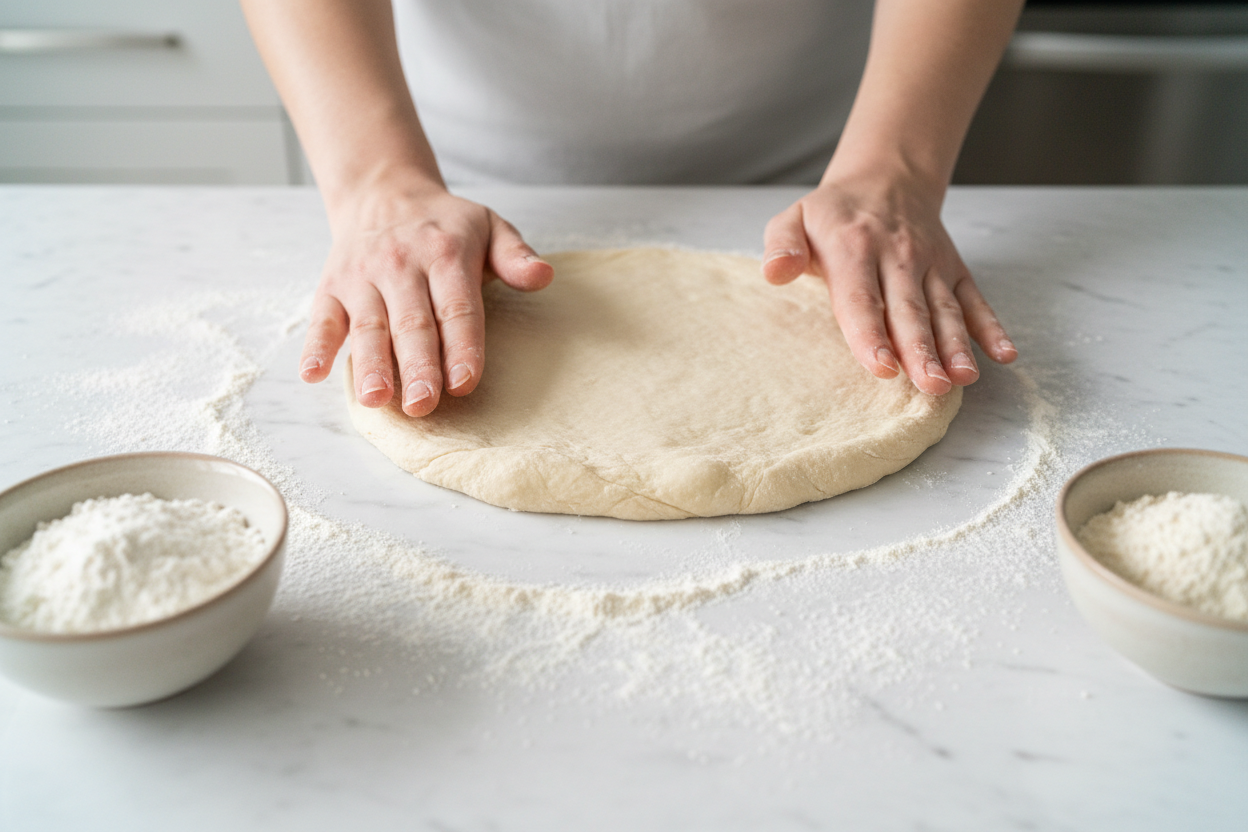
Working with gluten-free dough requires a different mindset. Unlike wheat dough, which benefits from vigorous kneading to develop gluten, gluten-free dough is often more like a thick batter or a delicate pastry dough. Here are three tips for success:
- High Hydration: Gluten-free flours are incredibly thirsty. A wetter dough often results in a better rise and a less “grainy” mouthfeel.
- Minimal Handling: Since there is no gluten to develop, you don’t need to knead. In fact, over-handling can make the crust tough. Use oiled hands or parchment paper to shape your crust.
- The Pre-Bake (Par-Baking): Because gluten-free dough takes longer to set, it’s often beneficial to bake the naked crust for 5-8 minutes before adding toppings. This ensures the center isn’t gummy under the sauce.
If you’ve spent time exploring pizza crust varieties, you’ll find that gluten-free dough sits in its own special category, requiring its own set of rules and rewards.
Troubleshooting Your Crust
Even the pros face challenges when ditching wheat. If your crust is cracked, your dough was likely too dry; try increasing the water or adding a bit of oil. If the texture is gummy, it might be underbaked or you may have used too much binder. Remember, even the art of sourdough pizza takes practice to perfect, and gluten-free baking is no different.
Conclusion: The Freedom of the Slice
The beauty of modern pizza is its inclusivity. By mastering gluten-free techniques, you open up your kitchen to everyone. Don’t be afraid to experiment with different flour blends—perhaps a hint of buckwheat for earthiness or a touch of honey for better caramelization. The perfect wheat-free slice is out there, waiting for you to create it.