The Art of Sourdough Pizza: Crafting the Ultimate Tangy Crust
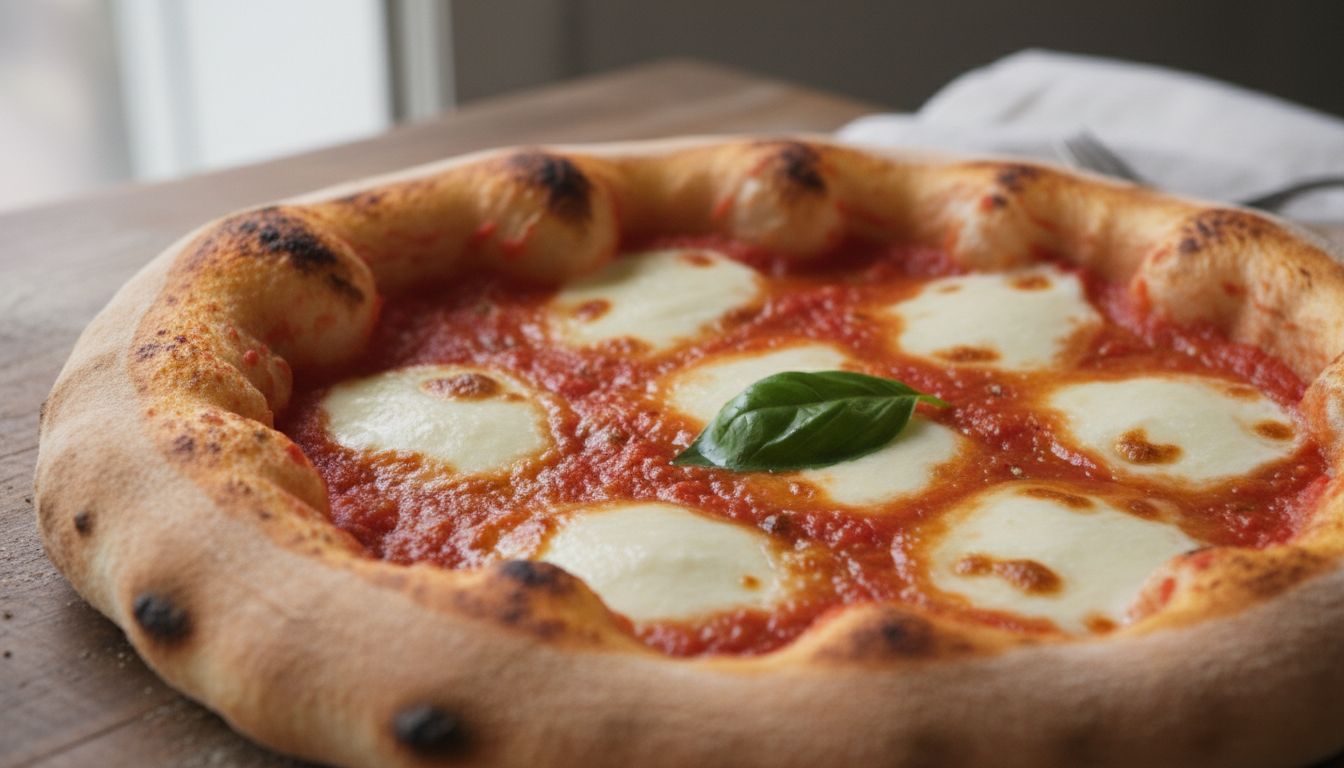
In the world of artisanal pizza, few things command as much respect as a perfectly executed sourdough crust. While commercial yeast offers speed and predictability, sourdough brings a depth of flavor, a complex aroma, and a structural integrity that simply cannot be replicated. At PizzaCream, we believe that mastering sourdough is the ultimate milestone for any serious pizzaiolo. It is a journey that marries ancient tradition with modern culinary science, resulting in a crust that is as digestible as it is delicious.
What Makes Sourdough Pizza Unique?
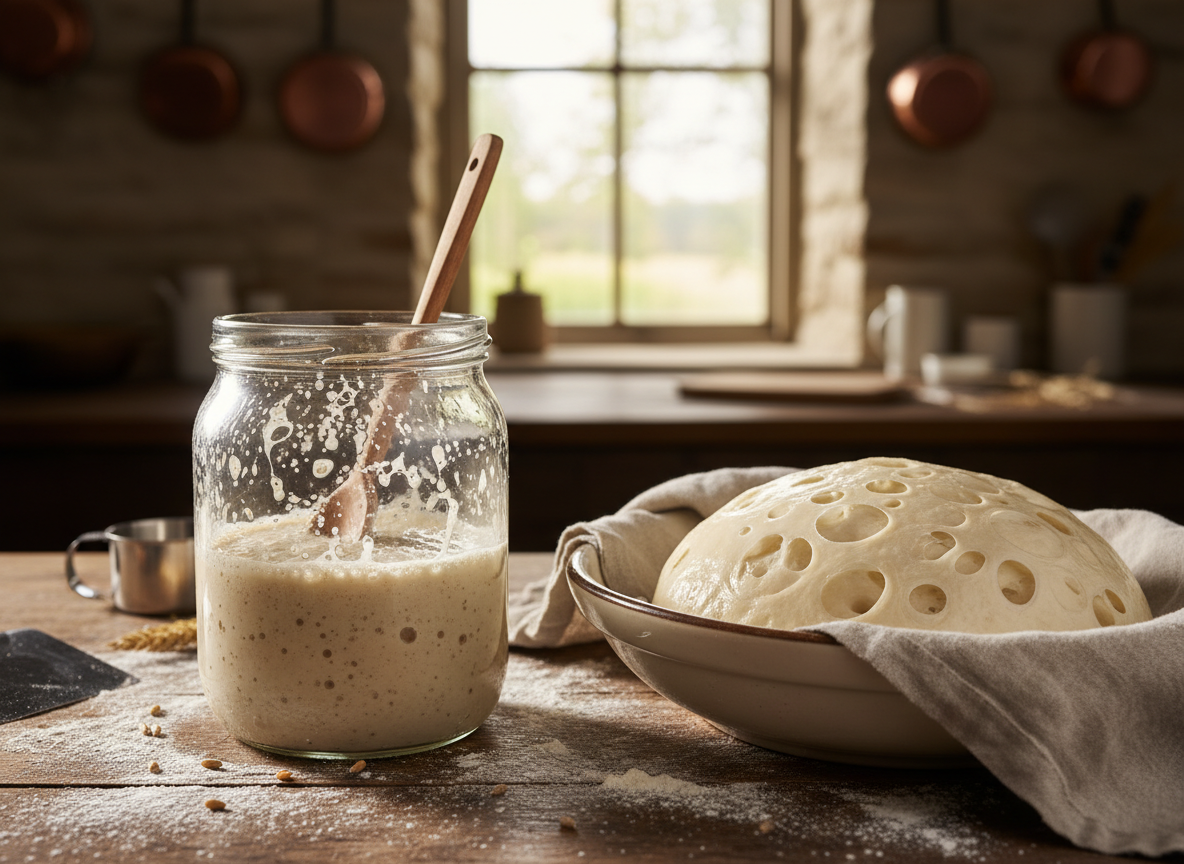
The soul of sourdough pizza lies in the “starter”—a living culture of wild yeast and beneficial bacteria (lactobacilli). Unlike standard doughs, sourdough relies on natural fermentation. This process produces lactic and acetic acids, which provide that signature “tang” and a sophisticated flavor profile that evolves over time. Beyond taste, the long fermentation process breaks down gluten and phytic acid, making the final crust easier on the digestive system and providing a unique, airy crumb structure with a crisp, charred exterior.
The Science of Fermentation and Temperature
Fermentation is a biological marathon, not a sprint. When you work with wild yeast, you are managing a delicate ecosystem. The rate at which your starter consumes sugars and produces carbon dioxide is dictated almost entirely by environment. Temperature control is the most critical variable in this equation; a few degrees can mean the difference between a vibrant, bubbly dough and one that is over-proofed and flat.
Understanding how heat affects the activity of your yeast is essential for consistent results. For a dive into how to manage your environment during the bake, explore our guide on Pizza Cooking Temperatures: Mastering the Heat for Every Style. Proper temperature management ensures that your sourdough achieves the perfect “oven spring”—that rapid expansion in the first few minutes of baking that creates a light, pillowy cornicione.
Choosing the Right Flour for Sourdough
Because sourdough fermentation is typically longer than commercial yeast fermentation, the structural integrity of your flour is paramount. You need a flour that can withstand the enzymatic activity over 24 to 72 hours without breaking down. High-protein flours are generally preferred to maintain the gluten network required to trap the gases produced by wild yeast.
Whether you prefer the traditional Italian refinement of “00” flour or the robust strength of bread flour, your choice will dictate the final texture of your crust. To find the perfect match for your starter, refer to The Ultimate Guide to Pizza Flour: Type 00, Bread Flour, and Beyond. Selecting a flour with the right absorption rate will help you manage the higher hydration levels often associated with sourdough baking.
Tips for the Perfect Sourdough Crust
Crafting the ultimate tangy crust requires patience and a keen eye for detail. Here are a few expert tips to elevate your sourdough game:
- Maintain a Healthy Starter: Feed your starter regularly and ensure it is at its peak activity (doubled in size) before mixing your dough.
- Master the Stretch and Fold: Instead of aggressive kneading, use periodic stretches and folds to build strength while preserving the delicate air bubbles.
- Cold Fermentation: After an initial bulk ferment at room temperature, let your dough rest in the refrigerator for 24-48 hours. This slows down the yeast while allowing the bacteria to develop complex organic acids.
- Hydration Balance: Sourdough often performs best at slightly higher hydration levels (65-70%), which promotes a more open crumb.
To truly master the physics behind your dough, check out our comprehensive resource on The Art of the Perfect Pizza Crust: Flour, Water, and Science. By combining the wild power of sourdough with a scientific approach to hydration and heat, you can create a pizza that is truly a work of art. Happy baking!