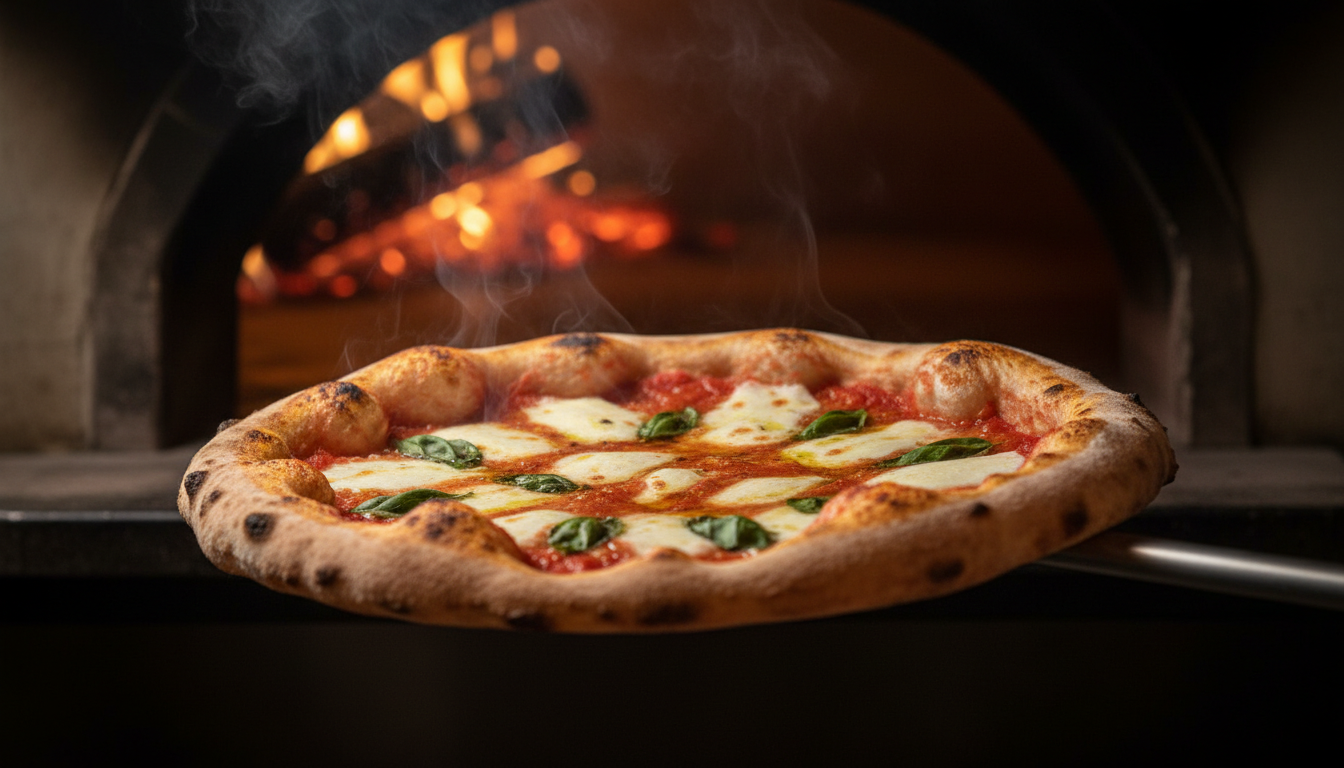
There’s something almost magical about homemade pizza — the smell of dough baking in a hot oven, the sizzle of cheese bubbling to golden perfection, the satisfaction of pulling a masterpiece you built from scratch. Whether you’re a curious beginner or a seasoned home cook, mastering the art of gourmet pizza at home is one of the most rewarding culinary journeys you can take. This guide covers everything: the perfect dough, the finest toppings, proven baking techniques, and the secrets that separate a great pizza from an unforgettable one.
The Foundation: Choosing the Right Ingredients
Every legendary pizza begins long before the oven is preheated. It starts at the market — or better yet, your pantry. The quality of your ingredients is the single biggest factor in determining your pizza’s final flavor. Pizzerias in Naples, Italy, have known this for over a century: simple, high-quality ingredients, handled with care, will always outperform a complicated recipe with mediocre components.
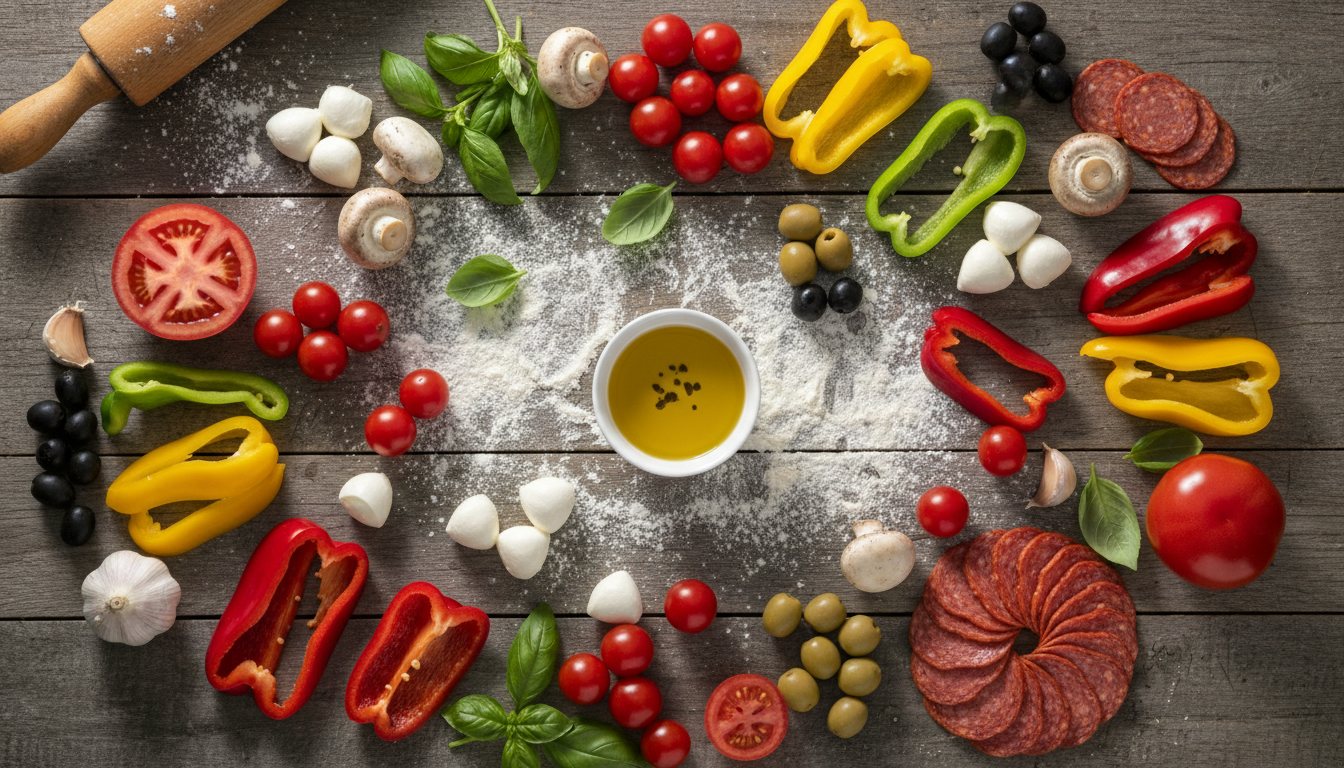
For your tomato sauce, seek out San Marzano tomatoes — a DOP-certified variety grown in the volcanic soil near Mount Vesuvius. Their naturally low acidity and rich, sweet flavor produce a sauce that needs nothing more than a pinch of sea salt and a drizzle of olive oil. For cheese, buffalo mozzarella (mozzarella di bufala) is the gold standard: creamy, milky, and luscious. If unavailable, a high-moisture whole-milk fior di latte is an excellent substitute. And never underestimate your olive oil — a good extra virgin olive oil, drizzled just before serving, adds a layer of fruity complexity that elevates every bite.
The Art of the Dough: Patience is Your Secret Ingredient
Pizza dough is deceptively simple — flour, water, salt, and yeast — yet the nuances of technique and timing make all the difference between a flat, cardboard-like base and a pillowy, blistered crust with the perfect chew. The key variable? Time. A slow, cold fermentation (24 to 72 hours in the refrigerator) allows enzymes to break down complex starches, developing depth of flavor and a light, airy texture that no quick-rise dough can replicate.
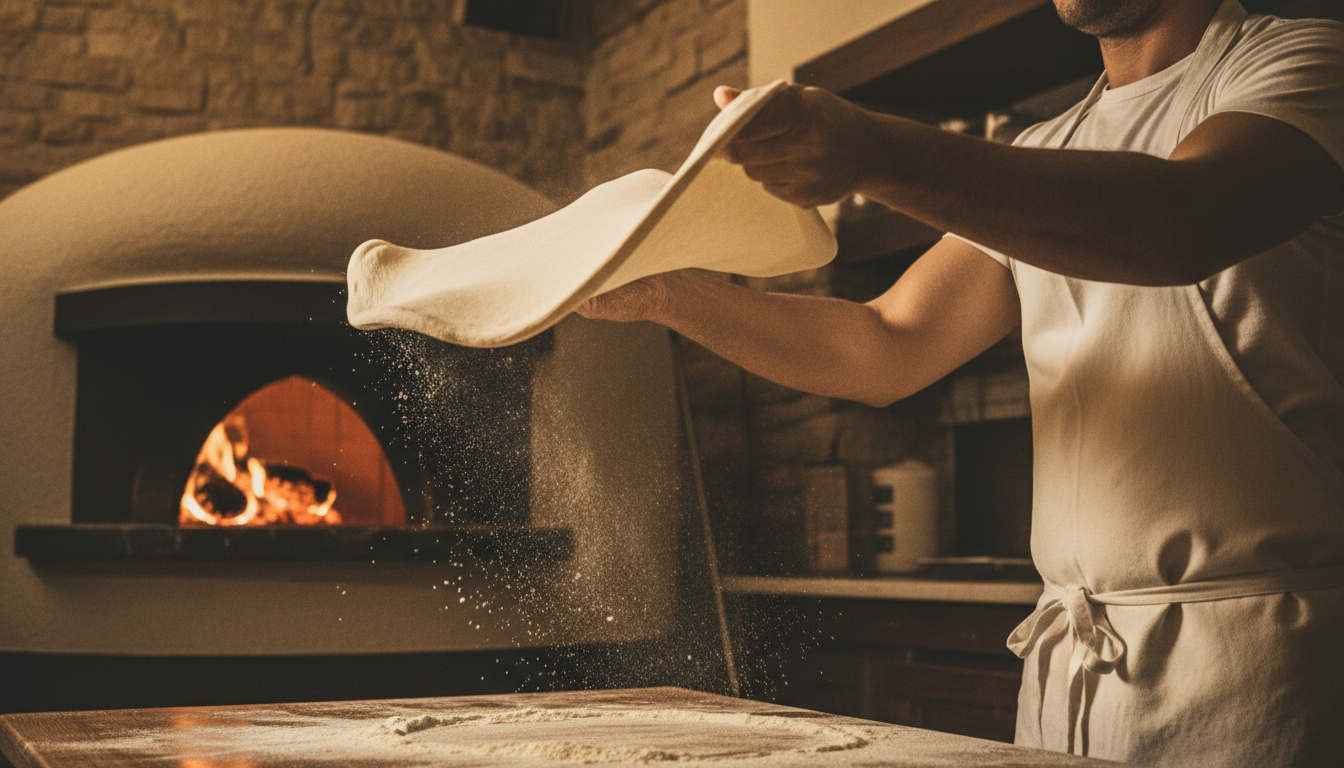
Use “00” flour — an Italian ultra-fine milled wheat that produces an exceptionally smooth, elastic dough. Hydration matters too: aim for 60–65% water by flour weight for a manageable home dough. When it comes to shaping, resist the rolling pin. Instead, use your hands to gently press and stretch the dough outward from the center, letting gravity help you. This preserves the precious air bubbles formed during fermentation, which will puff and char beautifully in the oven. A well-stretched dough should be thin enough to see your hand through in the center, with a slightly thicker rim around the edge.
Toppings: Less is Almost Always More
One of the most common home pizza mistakes is overloading toppings. A genuinely great Neapolitan pizza uses restraint — four to six toppings maximum, each chosen to complement the others. Start with your sauce, spread thin (leaving a clean 1-inch border for the crust), then add torn pieces of mozzarella. From there, think in layers: something savory (prosciutto, pancetta, or anchovies), something earthy (mushrooms, roasted garlic, olives), and something fresh added after baking (basil, arugula, a soft-cooked egg).
Classic Topping Combos
- Margherita: San Marzano tomato, buffalo mozzarella, fresh basil, olive oil
- Prosciutto e Funghi: White base, mushrooms, prosciutto crudo, mozzarella
- Diavola: Spicy salami, mozzarella, chili flakes, tomato sauce
- Quattro Formaggi: Mozzarella, gorgonzola, fontina, parmigiano reggiano
Gourmet Additions to Try
- Truffle oil drizzled just before serving
- Burrata placed in the center after baking
- Fig and gorgonzola with honey and walnuts
- Smoked salmon with crème fraîche and capers
Baking Like a Pro: Heat is Everything
A genuine Neapolitan wood-fired oven reaches temperatures of 850–900°F (450–480°C), cooking a pizza in 60–90 seconds. Your home oven can’t quite match that, but you can get remarkably close with the right tools and technique. Preheat your oven — with a pizza stone or steel inside — at its maximum temperature (usually 500–550°F / 260–290°C) for at least 45 to 60 minutes. The thermal mass of the stone or steel is critical: it delivers an intense burst of bottom heat that replicates the floor of a professional pizza oven, giving you a crispy, charred base with a soft, open interior.
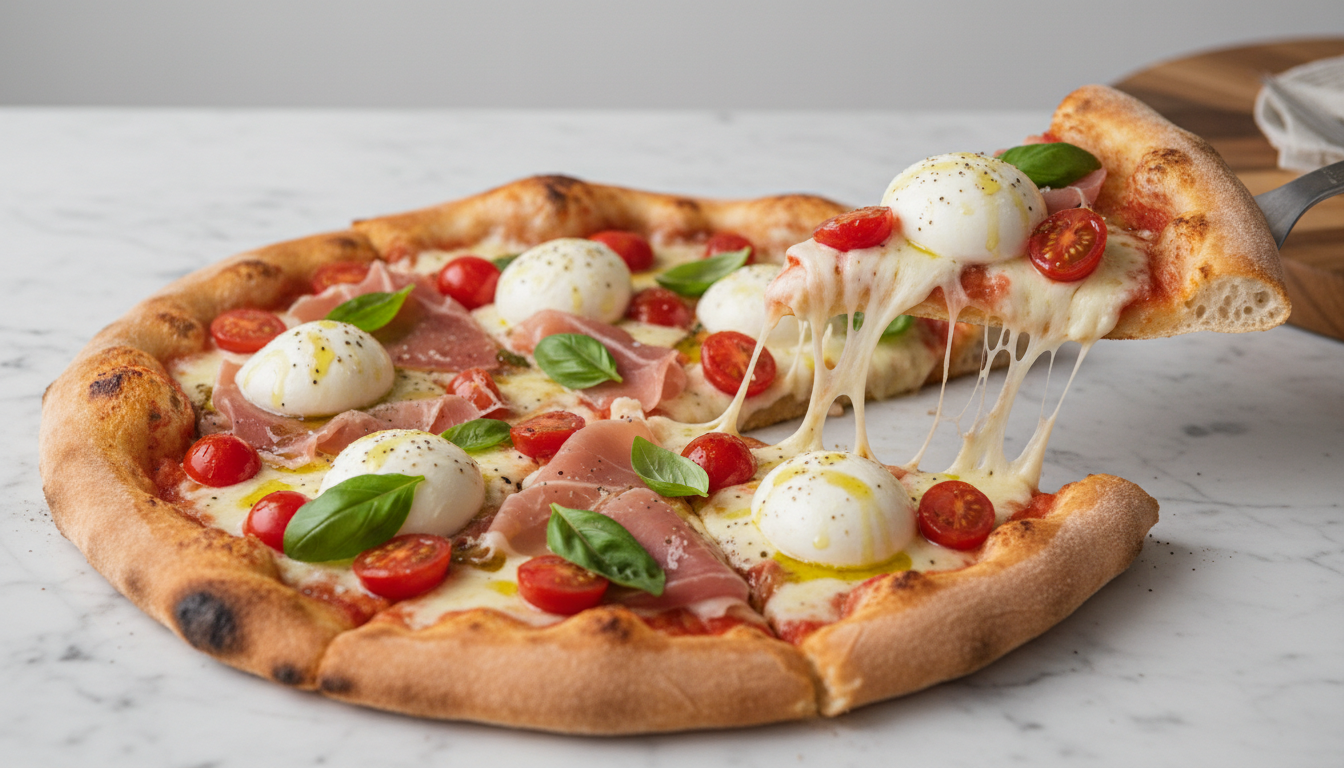
Transfer your loaded pizza to the hot stone using a well-floured pizza peel. Bake for 7–10 minutes, rotating once halfway through, until the crust is deep golden-brown with charred spots and the cheese is bubbling. Allow it to rest for 2 minutes before slicing — this lets the cheese set slightly and the crust firm up. Finish with a drizzle of quality olive oil, a handful of fresh basil, and perhaps a grating of Parmigiano Reggiano. Then slice, serve, and accept the applause.
Final Tips: Elevate Your Pizza Game
- Season your dough: Don’t skip the salt — it’s essential for flavor and dough structure.
- Room temperature is key: Always bring your dough balls to room temperature (1–2 hours) before stretching.
- Don’t sauce to the edge: A clean, sauce-free border creates that iconic puffy, charred cornicione.
- Use a kitchen scale: Weighing ingredients ensures consistency every time.
- Experiment with blended flours: Mixing “00” with a small amount of semolina adds subtle flavor and a slight crunch.
- Rest and slice properly: Use a rocking pizza cutter or a large chef’s knife for clean, confident cuts.
Homemade gourmet pizza is not about perfection — it’s about the process, the passion, and the joy of sharing something you made with your own hands. Each pizza you make teaches you something new. Over time, your dough will feel more intuitive, your toppings more inspired, and your results more consistently spectacular. So preheat that oven, flour your hands, and let’s make pizza.