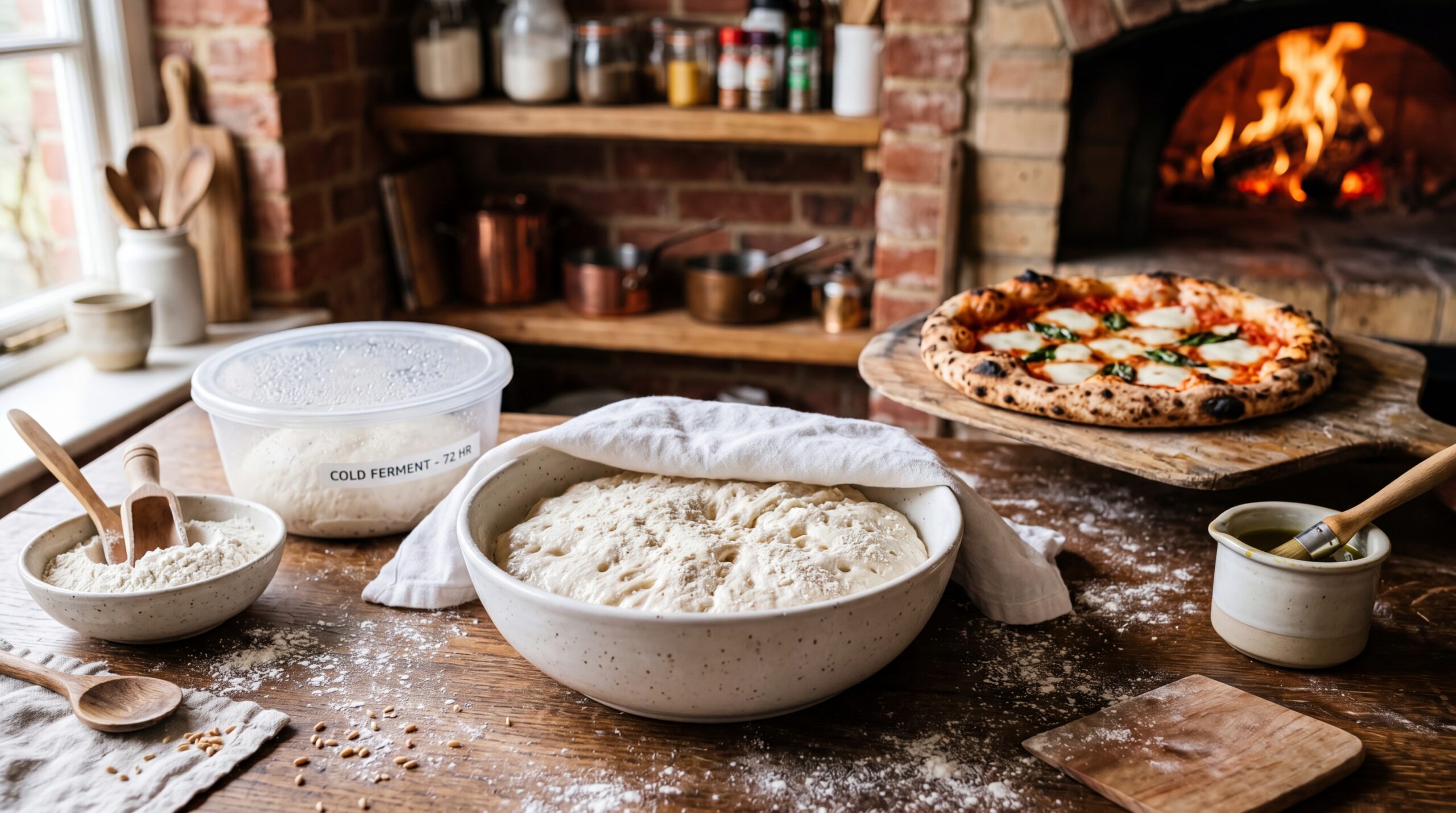
Great pizza starts long before the dough meets the oven. While flour, water, yeast, and salt seem simple on paper, the real difference between an average homemade pie and an unforgettable one often comes down to time. Cold fermentation gives dough the extra hours it needs to develop flavor, improve texture, and bake into a crust that tastes more complex, feels lighter, and delivers that satisfying balance of crispness and chew.
What Cold Fermentation Actually Does
Cold fermentation simply means allowing pizza dough to rise slowly in the refrigerator instead of pushing it through a quick room-temperature proof. During this slower process, yeast works at a gentler pace, giving enzymes more time to break down starches and proteins. The result is dough that is easier to stretch, more aromatic, and often more digestible than dough mixed and baked on the same day.
This extra time changes both taste and structure. The dough develops subtle tangy notes, a fuller wheaty flavor, and better browning in the oven. Instead of a flat or one-dimensional crust, you get layers of flavor that support the sauce, cheese, and toppings without being overshadowed by them.
Why Pizza Lovers Notice the Difference
One of the biggest advantages of cold-fermented dough is texture. When handled properly, it produces an airy rim, a tender interior, and a crust with enough strength to hold toppings without becoming dense. That matters whether you love a minimalist margherita, a rich white pizza, or a topping-heavy weekend bake.

Cold fermentation also helps with consistency. Because the dough matures more evenly, many home pizza makers find it easier to shape and less likely to tear. That means less frustration on baking day and a better chance of producing a pizza that looks and tastes intentional rather than rushed.
How Long Should You Ferment Pizza Dough?
A 24-hour cold fermentation already makes a noticeable improvement, but many pizza enthusiasts prefer 48 to 72 hours for a deeper flavor profile. The ideal timing depends on your flour, hydration, yeast quantity, and refrigerator temperature. In general, longer fermentation creates more character, but the dough should still feel lively and elastic rather than weak or overproofed.
- 24 hours: better flavor than same-day dough, easier to manage
- 48 hours: excellent balance of strength, extensibility, and taste
- 72 hours: deeper aroma and character, ideal for experienced bakers
If you are new to the process, start with 48 hours. It is long enough to deliver clear benefits without making the workflow overly complicated.
Tips for Better Results at Home
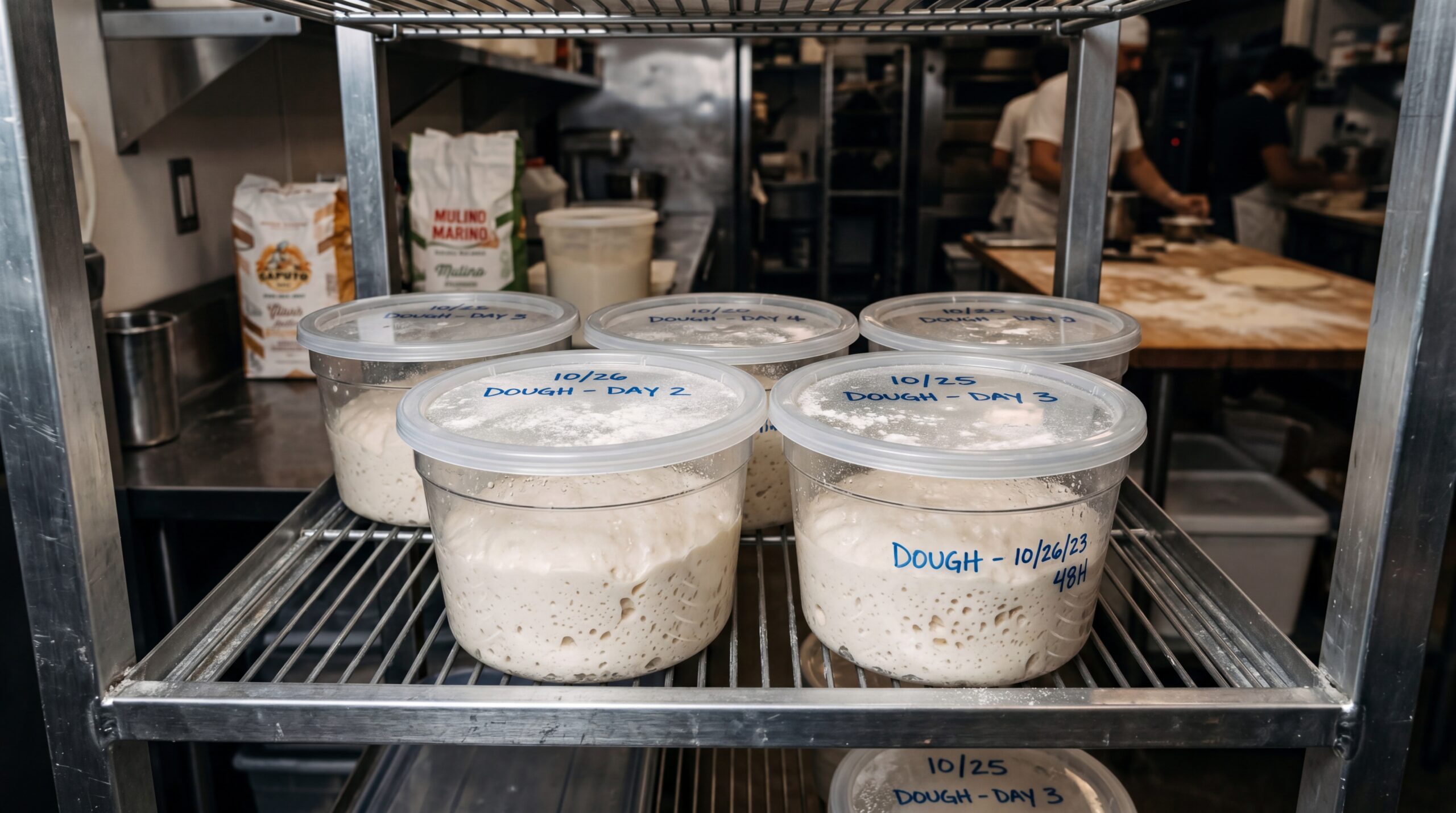
Use sealed containers or lightly oiled dough boxes so the surface stays hydrated. Let the dough rest at room temperature before shaping, usually for 1 to 2 hours depending on the season and the size of each dough ball. Avoid forcing the stretch. Well-fermented dough should open naturally with gentle pressure.

Also remember that fermentation is only one part of the equation. A hot baking surface, restrained topping use, and careful sauce-to-cheese balance all help the dough shine. But if you improve only one variable in your pizza routine, giving your dough more time is one of the most reliable upgrades you can make.
The Bottom Line
Cold fermentation is not just a technique for professional pizzaiolos. It is a practical method any home cook can use to make pizza more flavorful, more textured, and more rewarding to bake. With a little patience and planning, your crust can go from merely homemade to truly memorable.
If you want better pizza without buying more equipment, start by changing your timeline. Your dough will do the rest.