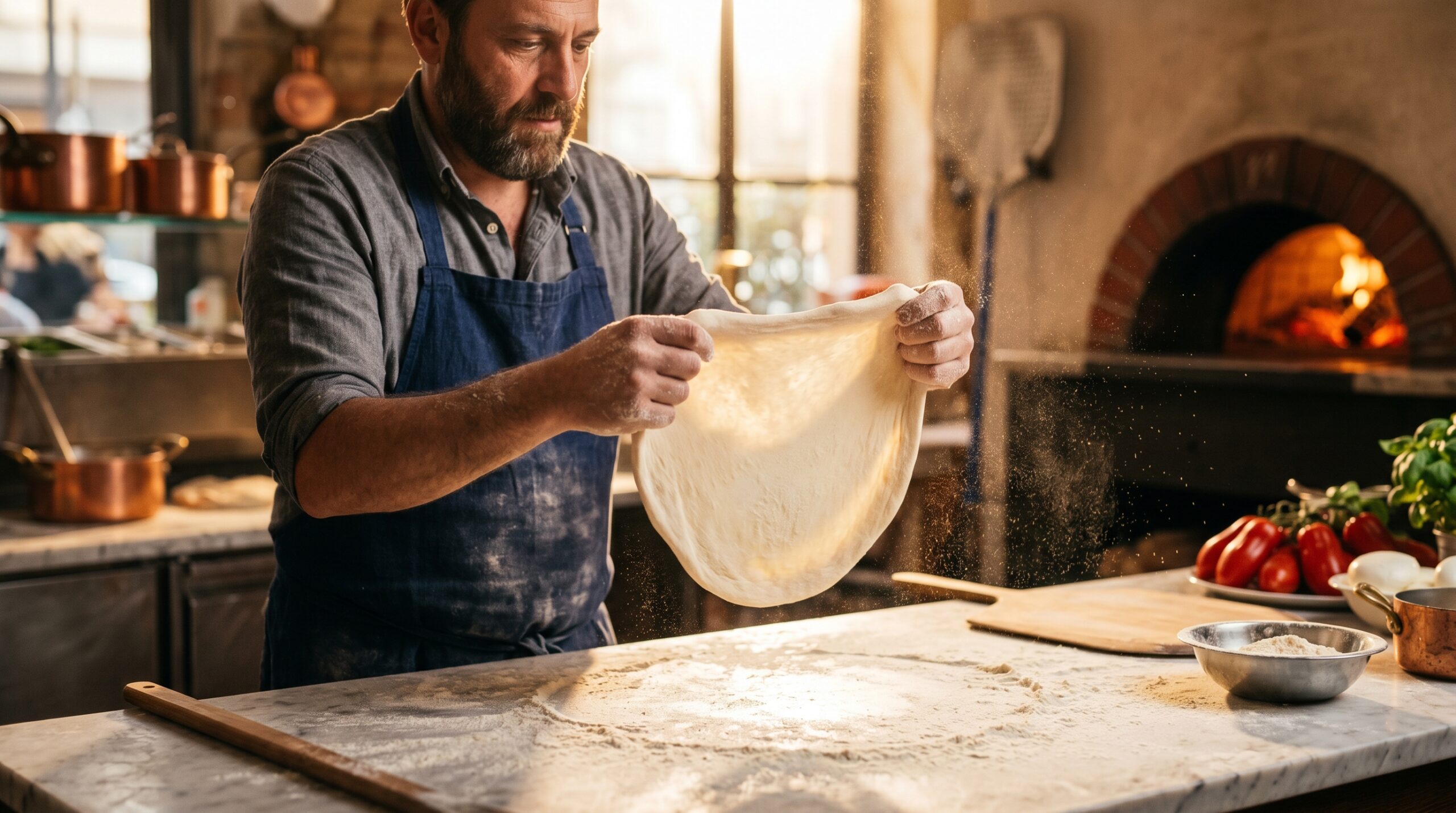
There’s a reason Neapolitan pizza has earned UNESCO cultural heritage status — and it all starts with the dough. Whether you’re a first-time home baker or a seasoned kitchen enthusiast, mastering pizza dough is the single most transformative skill you can develop. Once you understand the fundamentals, every pizza you make will be something truly special.
The Five Ingredients That Change Everything
Great pizza dough doesn’t require a long shopping list — it requires the right ingredients. Traditional Neapolitan dough is made with just five components: Tipo 00 flour, water, salt, yeast, and a touch of olive oil. But the quality and ratios of each make all the difference.
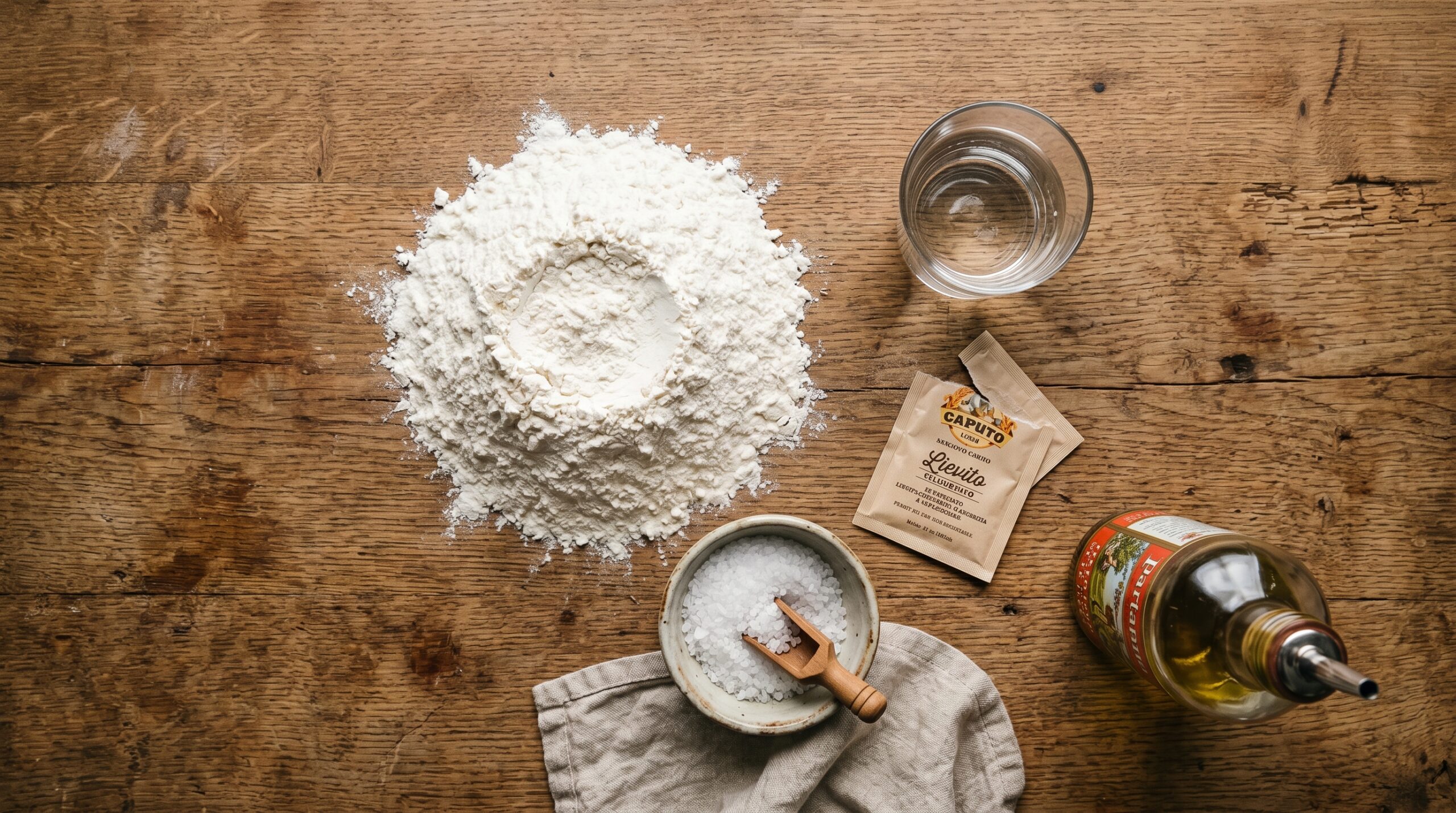
Tipo 00 flour is finely milled to produce a silky, extensible dough that blisters beautifully at high heat. If you can’t source it locally, a high-protein bread flour is a workable substitute — but the texture won’t be quite as pillowy. Hydration is your next big lever: a ratio of 60–65% water to flour creates a dough that’s manageable to handle yet produces an airy, open crumb. Going higher (up to 70%) rewards more experienced bakers with an even lighter crust.
As for yeast, less is more. Traditional recipes use a tiny amount — sometimes as little as 0.1% of the flour weight — and compensate with a long, slow fermentation. This approach develops complex flavours that fast-rising doughs simply can’t match.
The Magic of Slow Fermentation
If there’s one technique that separates average homemade pizza from truly great pizza, it’s cold fermentation. After mixing and a brief room-temperature rest, the dough goes into the fridge for anywhere from 24 to 72 hours. During this time, enzymes break down complex starches and proteins, creating a depth of flavour and a texture that simply cannot be rushed.
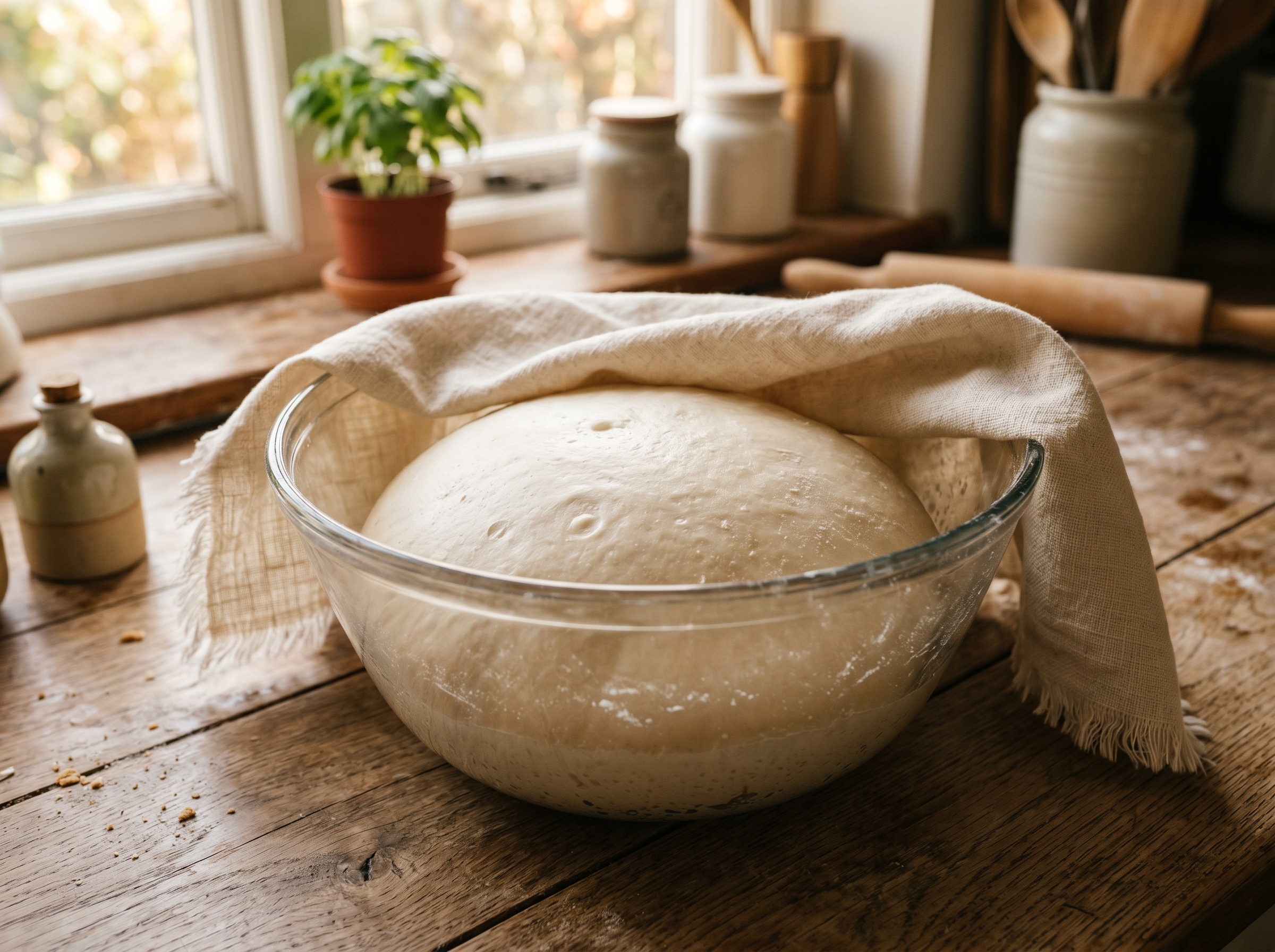
During fermentation, wild yeasts and bacteria produce carbon dioxide and lactic acids that make the dough rise and develop its characteristic tangy depth. The longer the ferment (within reason), the more complex the flavour profile. After 48 hours, you’ll notice the dough has a subtle sour aroma — that’s the magic at work.
When you’re ready to bake, remove the dough from the fridge at least two hours before shaping. Cold dough tears easily and resists stretching. Bringing it to room temperature allows the gluten network to relax, making it far easier to coax into a perfect round.
The Art of Shaping: Hands Over Rolling Pins
Here’s where most home bakers go wrong: they reach for a rolling pin. Don’t. A rolling pin crushes the gas bubbles that fermentation worked so hard to create, resulting in a flat, dense crust with none of the airy lightness you’re after. Always shape pizza dough by hand.
Start by pressing the dough ball flat with your fingertips, working from the centre outward. Leave a one-inch border untouched — this will become your puffed, charred cornicione (crust edge). Once you have a rough disc, drape the dough over your knuckles and gently stretch it, rotating as you go. Gravity does most of the work. Aim for an even thickness across the base with a slightly thicker rim.
Heat: The Final Frontier
Authentic Neapolitan pizza is baked at 450–500°C (850–930°F) in a wood-fired oven for just 60–90 seconds. Your home oven can’t reach those temperatures, but you can get remarkably close with the right setup. Preheat your oven to its absolute maximum — most reach 250–260°C (480–500°F) — with a pizza stone or steel inside for at least 45 minutes before baking. The thermal mass of the stone mimics a professional deck oven, giving you that crucial burst of bottom heat that creates a crisp base and those coveted leopard-spot char marks.
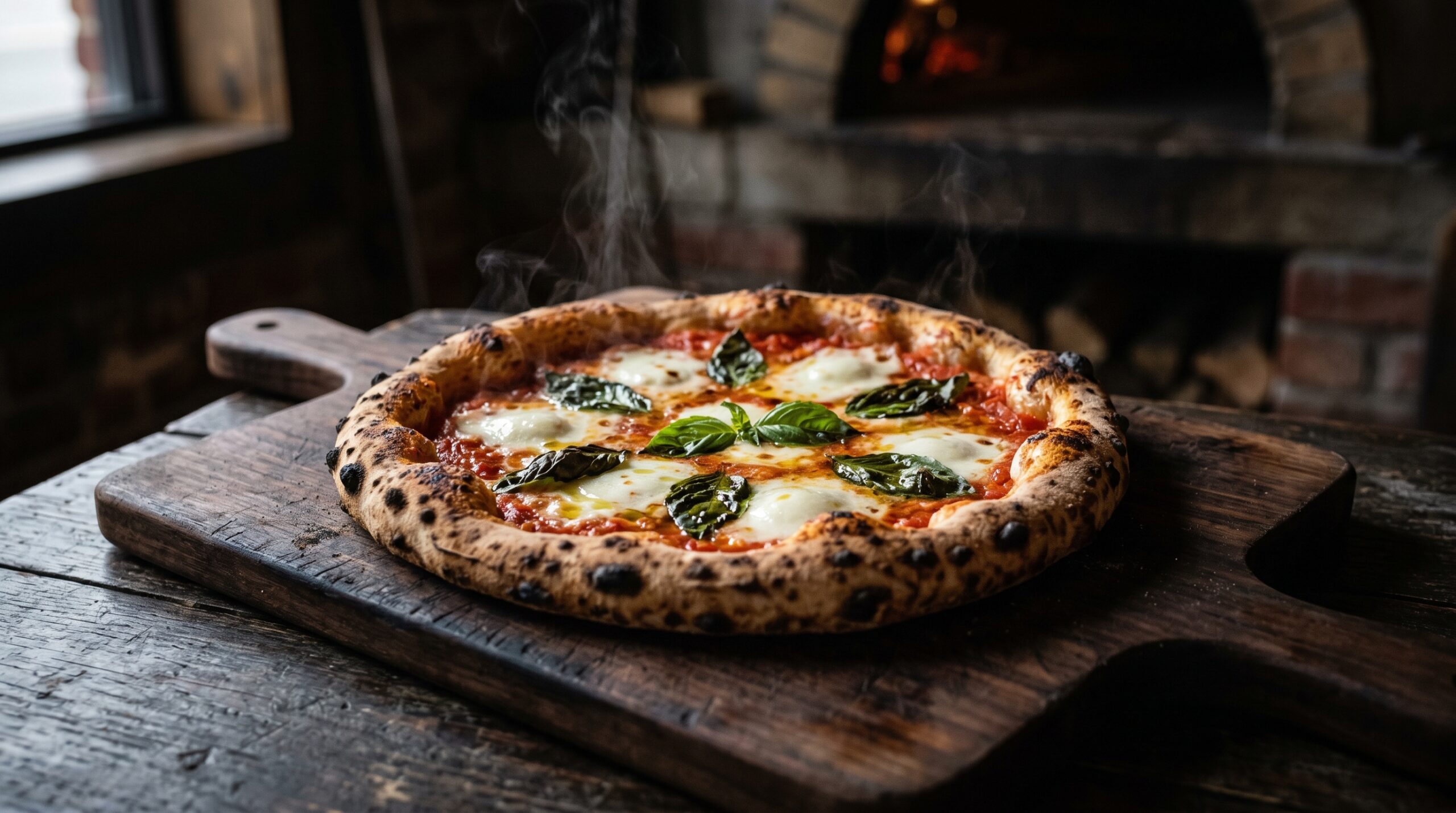
For toppings, keep it simple. The Neapolitan tradition says less is more: a thin smear of San Marzano tomato sauce, torn buffalo mozzarella, a few basil leaves, and a drizzle of extra-virgin olive oil. Overloading your pizza with toppings adds moisture that steams the base instead of crisping it. Trust the dough to be the star.
Your Journey to the Perfect Crust Starts Now
Mastering pizza dough is a journey, not a destination. Your first attempt might not look like it came from a Neapolitan pizzeria — and that’s perfectly fine. Each batch teaches you something new: how the dough feels when it’s properly hydrated, how it smells after 48 hours of cold ferment, how quickly it chars under full heat. Embrace the learning curve, keep notes, and above all — enjoy every imperfect, delicious slice along the way.
The best pizza you’ll ever eat is the one you made yourself. So flour up those hands, and let’s get stretching.