Creating the perfect pizza dough is often viewed as a daunting task reserved for seasoned pizzaiolos in Naples. However, the transition from a hobbyist to a master home baker lies in understanding the fundamental science behind the ingredients. A great pizza is only as good as its foundation, and that foundation is a well-crafted, fermented dough that balances texture, flavor, and structural integrity.
The Flour Debate: Tipo 00 vs. Bread Flour
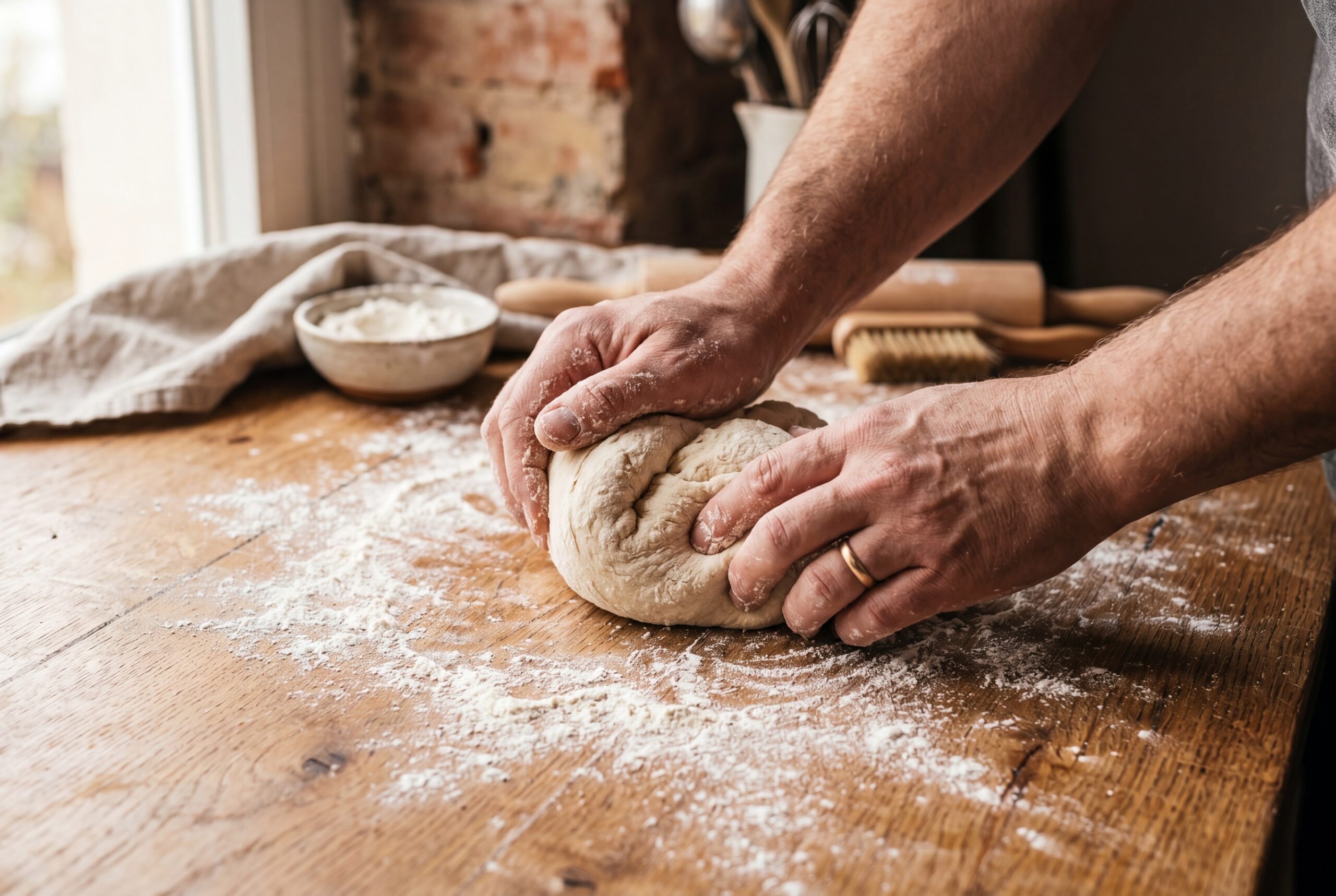
The first decision any baker must make is the choice of flour. In the world of pizza, two contenders reign supreme: Italian Tipo 00 and high-protein bread flour. Tipo 00 is the gold standard for traditional Neapolitan pizza. It is finely milled, resulting in a powder-like consistency that produces a soft, supple dough and a delicate, thin crust. Because it has a lower gluten threshold than some domestic flours, it is designed for the intense, rapid heat of a wood-fired oven.
On the other hand, bread flour is often the superior choice for those using a standard kitchen oven. With a higher protein content (usually between 12% and 14%), bread flour creates a stronger gluten network. This strength allows the dough to withstand longer bake times at lower temperatures without becoming tough or cracker-like. If you are looking for that classic “New York Style” chew and a sturdy base that can hold plenty of toppings, bread flour is your best friend.
Understanding Hydration Percentages
Hydration refers to the ratio of water to flour by weight. For beginners, a 60% to 65% hydration level is the “sweet spot.” This means for every 1,000 grams of flour, you use 600 to 650 grams of water. Lower hydration doughs are easier to handle and shape, making them ideal for those just starting out. However, as you gain confidence, experimenting with higher hydration (70%+) can lead to a more open, airy crumb structure—the coveted “cornicione” or rim of the pizza.
Managing wet dough requires patience and the right equipment. Before you dive into high-hydration recipes, ensure you have the Essential Pizza Making Tools, such as a digital scale and a bench scraper, to manage the stickiness effectively.
The Magic of Fermentation Time
If flour is the body of the dough, fermentation is its soul. Many novice bakers make the mistake of using too much yeast to force a quick rise. While this works for basic rolls, pizza dough requires time to develop complex flavors. A cold fermentation process—letting your dough rest in the refrigerator for 24 to 72 hours—allows enzymes to break down starches into simple sugars. To understand the complex biology behind this, see our deep dive into the hidden science of pizza fermentation.
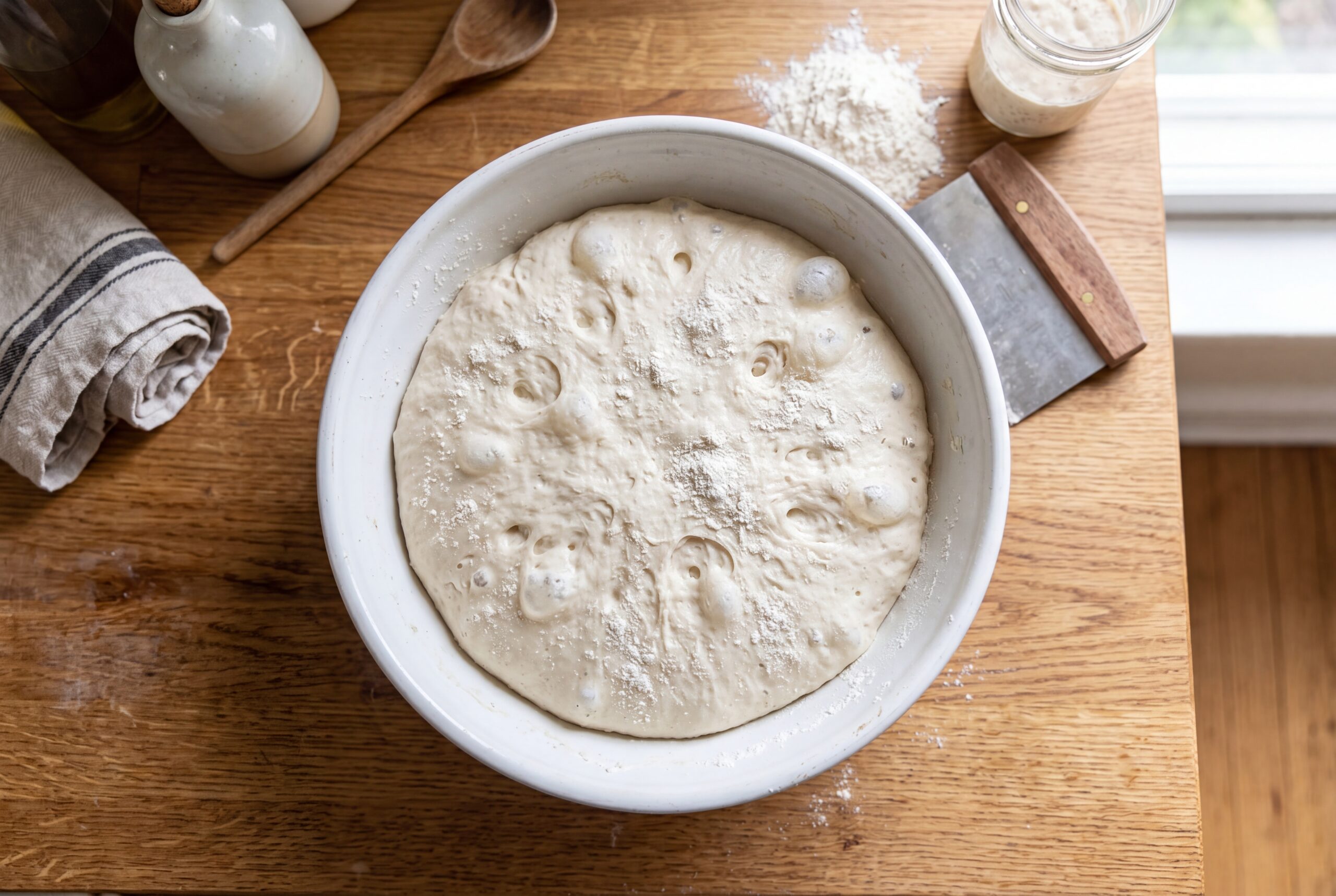
Longer fermentation also improves digestibility. The slow breakdown of gluten and starches makes the final product lighter on the stomach. If you are in a rush, a room-temperature ferment of 6 to 8 hours is acceptable, but the depth of flavor will never quite match a multi-day cold ferment.
Baking Environment and Heat Management
Your dough will behave differently depending on how you apply heat. When comparing Wood-Fired vs. Home Ovens, the primary difference is the “oven spring.” In a 900°F wood-fired oven, the moisture in the dough evaporates instantly, causing the crust to puff up and char in under 90 seconds. In a home oven, you must maximize your heat by using a pizza stone or steel and preheating for at least an hour.
Bringing It All Together
Once you have mastered the dough, the rest is a matter of assembly. A perfect crust deserves high-quality toppings that won’t weigh it down or make it soggy. While the dough is the star, don’t overlook the importance of your base layer. Learning The Secret to the Perfect Pizza Sauce will ensure that your hard work on the dough is complemented by the bright, acidic notes of premium San Marzano tomatoes.
The art of pizza dough is a journey of trial and error. By selecting the right flour, balancing your hydration, and respecting the fermentation process, you can elevate your home-cooked pizza from a simple meal to a culinary masterpiece.