Making pizza at home is a journey of trial and error that transforms a simple kitchen into a bustling pizzeria. While the quality of your flour and the hydration of your dough are paramount, the tools you use serve as the bridge between a hobbyist’s attempt and a professional-grade masterpiece. Many beginners start with a standard baking sheet, only to find their crusts soggy and their toppings unevenly cooked. To truly elevate your home kitchen, you must invest in specialized equipment designed to handle the unique physics of pizza baking.
The Foundation: Pizza Stones vs. Steels
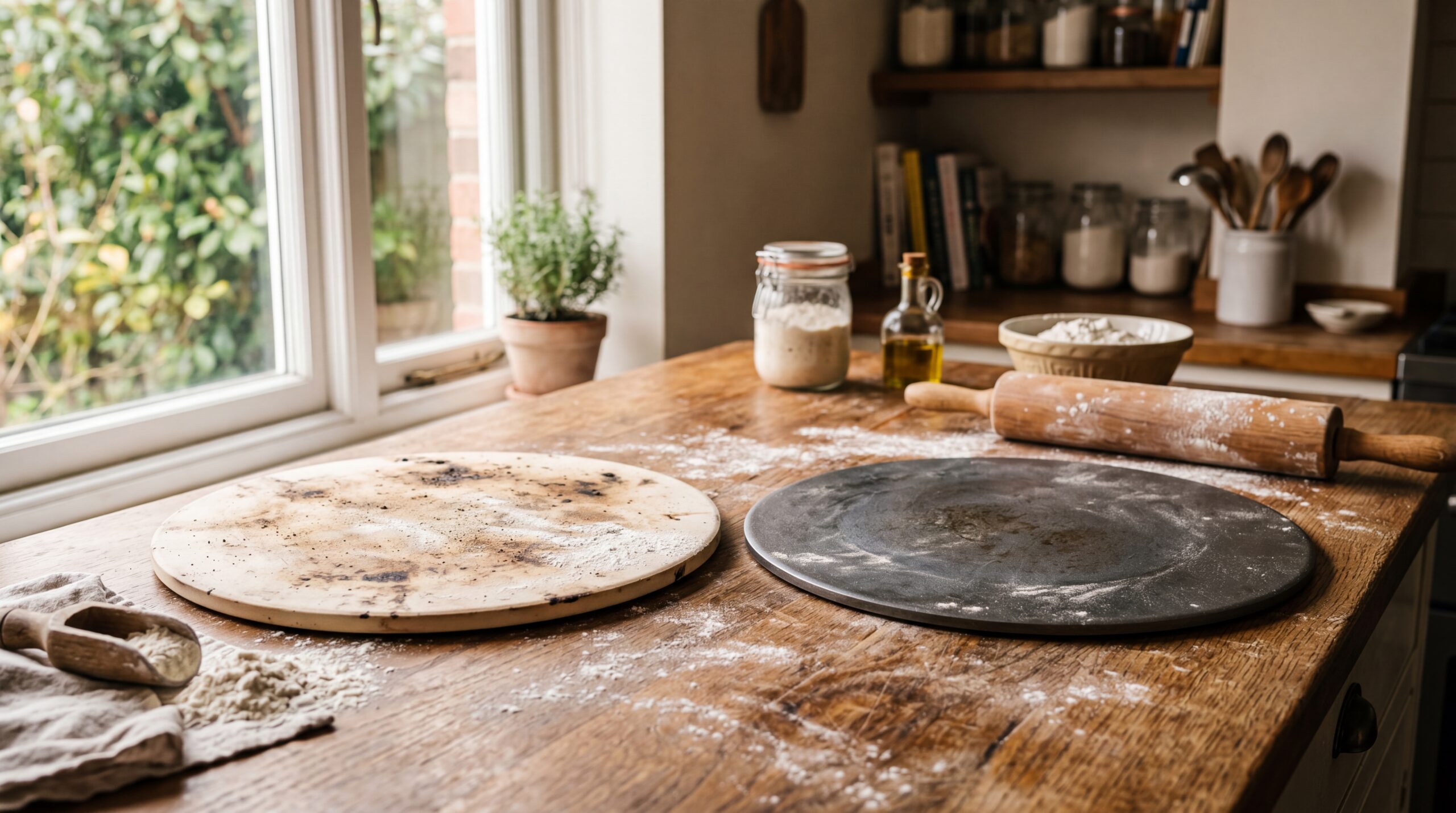
The most critical element in achieving a bakery-quality crust is the surface upon which the pizza sits. Traditional pizza stones, typically made of cordierite or ceramic, have long been the standard for home cooks. They are excellent at absorbing moisture from the dough, which helps create a crisp bottom. However, in recent years, pizza steels have taken the culinary world by storm. Because steel is a more efficient conductor of heat than stone, it transfers energy to the dough much faster, resulting in a more dramatic “oven spring” and a lighter, airier internal structure.
When considering heat management, the choice between stone and steel depends on your oven’s capabilities. A pizza steel can make a standard home oven perform more like a professional deck oven by maintaining a consistent temperature even after the door has been opened. This thermal mass is essential for back-to-back baking sessions where you need the surface to recover its heat quickly between pies.
The Transfer: Mastering the Pizza Peel
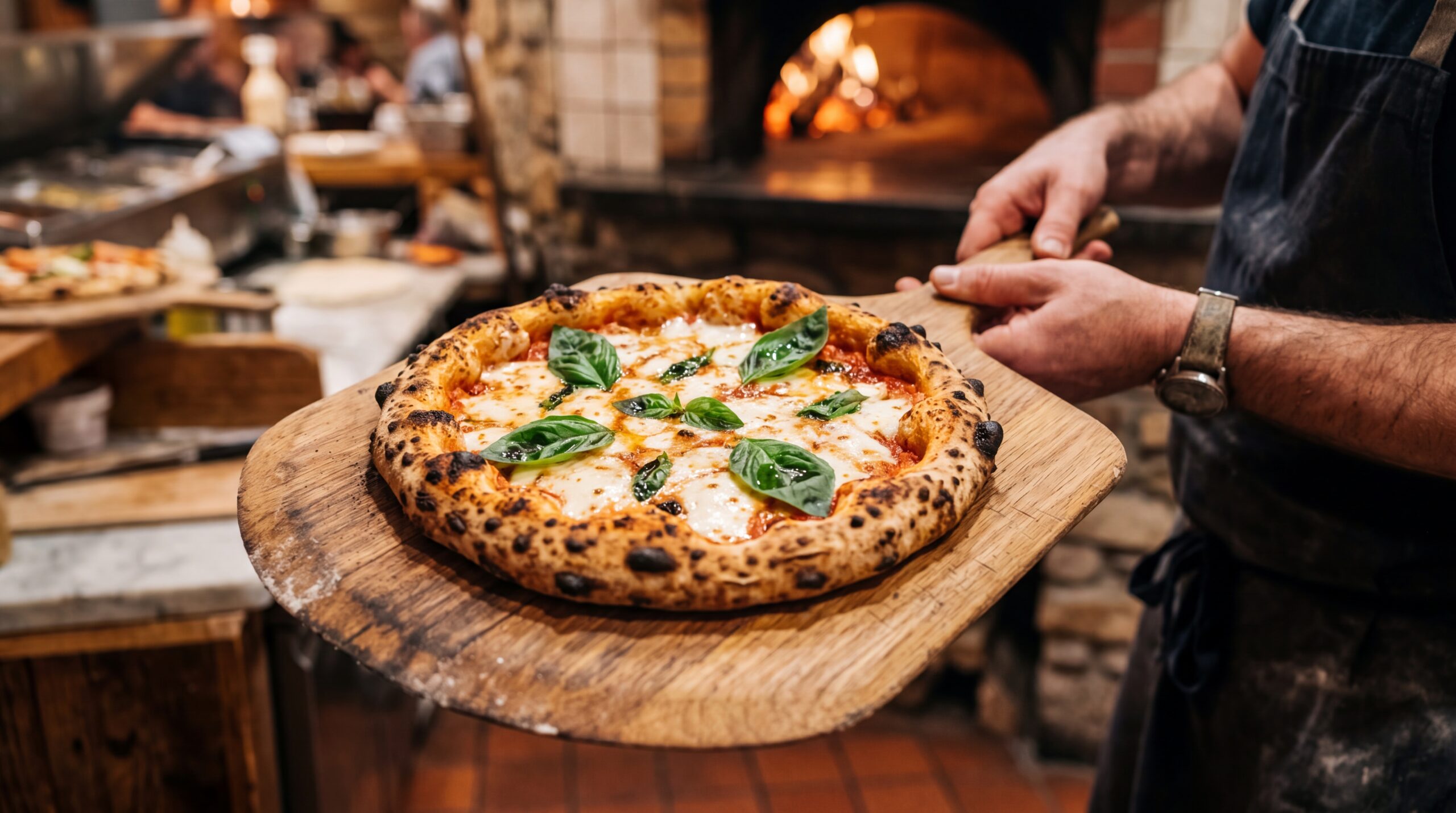
Perhaps the most nerve-wracking moment for any home pizzaiolo is the “launch”—the act of sliding the raw, topped dough onto the hot stone or steel. This is where the pizza peel becomes an indispensable ally. Ideally, a well-equipped kitchen should have two types of peels: one wooden and one metal. A wooden peel is the preferred choice for the assembly and launch phase. The porous nature of the wood, combined with a light dusting of flour or semolina, prevents the raw dough from sticking to the surface.
During the preparation of your pizza, speed is of the essence. If the dough sits on the peel for too long with heavy sauce and toppings, it will inevitably stick. Once the pizza is in the oven, a thin metal peel takes over. Its slim profile allows you to slide easily under the par-baked crust to rotate the pizza for an even char or to retrieve it once the cheese is bubbling and the edges are golden brown.
Precision Cutting: Beyond the Standard Wheel
After the effort of kneading, proofing, and baking, the final step is the slice. While the classic rolling wheel is a staple in most kitchens, it often falls short by dragging toppings across the surface or failing to cut through a thick crust on the first pass. For those seeking precision, the rocker blade (or mezzaluna) is a significant upgrade. This long, curved stainless steel blade allows you to apply even downward pressure across the entire diameter of the pizza, ensuring a clean break without disturbing the aesthetic of your toppings.
The importance of a clean cut becomes even more apparent when you consider the variety of crust results you might be aiming for. A delicate, thin-crust Neapolitan requires a gentle touch to avoid crushing the airy cornicione, while a dense Chicago deep-dish demands a sturdy blade that can navigate through layers of cheese and chunky sauce. Having the right cutting tool ensures that the structural integrity of your hard work remains intact from the oven to the plate.
Conclusion: Investing in Your Passion
Building a professional-grade pizza station at home doesn’t happen overnight, but selecting the right foundational tools is the best way to accelerate your progress. By moving away from makeshift solutions and adopting the stones, peels, and cutters used by the pros, you eliminate the variables that lead to inconsistent results. These tools do more than just simplify the process; they provide you with the control necessary to experiment, refine, and ultimately master the art of the perfect home-baked pizza. Investing in quality equipment is an investment in your passion, ensuring that every Friday night pizza session is better than the last.