The Secret Science Behind the Perfect Pizza Crust
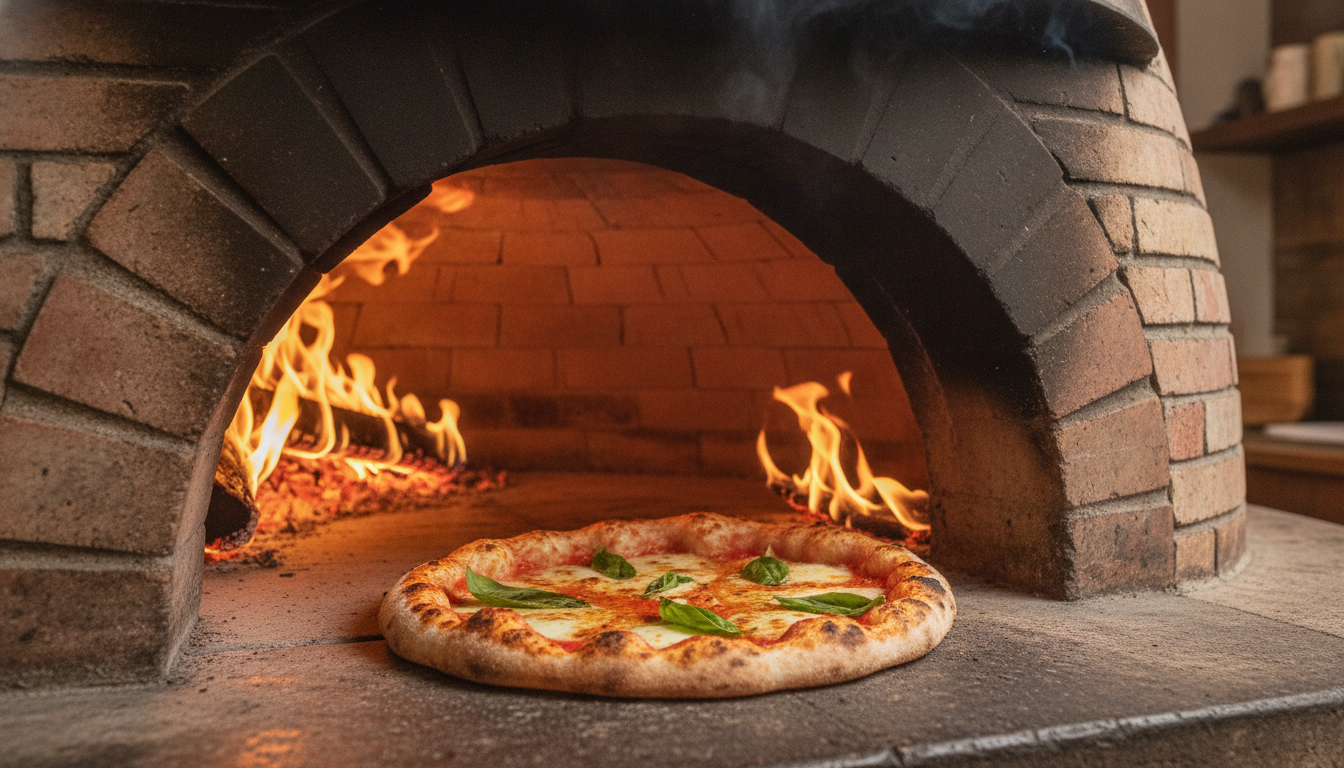
While toppings often steal the spotlight with their vibrant colors and savory profiles, any true pizzaiolo knows that the crust is the soul of the pizza. It is the canvas, the structural integrity, and the primary source of complex flavor. A perfect crust is a culinary paradox: it must be simultaneously crisp and airy, chewy yet light, and sturdy enough to hold ingredients while remaining delicate on the palate. Achieving this balance isn’t a matter of luck; it is a precise application of chemistry, biology, and physics. At PizzaCream, we believe that understanding the “why” behind the dough transforms a simple kitchen task into a masterclass in edible science.
The Role of Flour and Protein: The Foundation of Strength
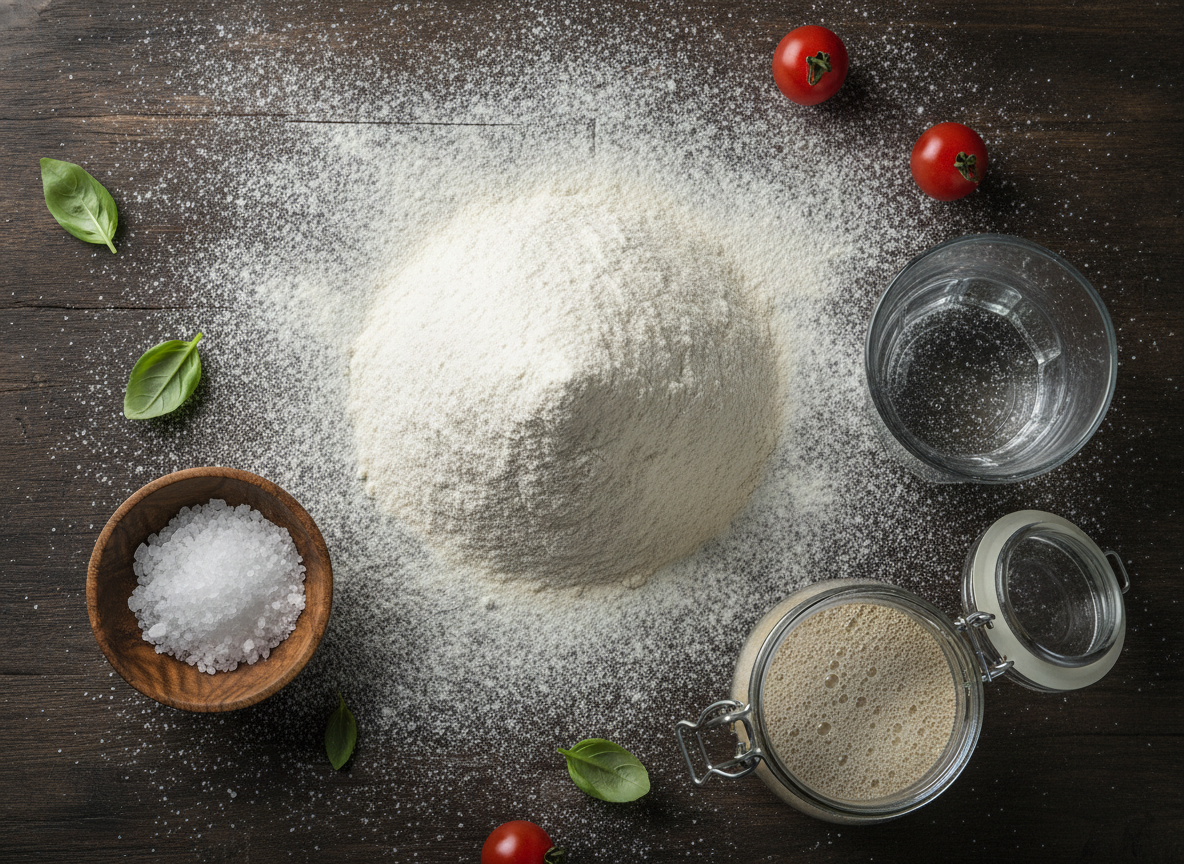
The journey to the perfect crust begins with the grain. In the world of artisanal pizza, “Tipo 00” flour is the undisputed gold standard. The “00” designation refers to the fineness of the mill, resulting in a powder as soft as talc. However, the secret isn’t just in the texture; it’s in the protein content. When water is added to flour, two proteins—glutenin and gliadin—bond to form gluten. This gluten network acts like a series of microscopic balloons, capable of stretching and trapping gases without tearing.
For the ideal pizza, you need a protein content typically between 11% and 12.5%. If the protein is too low, like in cake flour, the crust will be brittle and crumbly. If it is too high, like in some heavy bread flours, the crust becomes tough and leathery. 00 flour provides the perfect middle ground, offering enough elasticity for a thin stretch (the “windowpane test”) while maintaining a tender “bite” that doesn’t require a workout for your jaw.
The Magic of Fermentation: Engineering Flavor and Texture
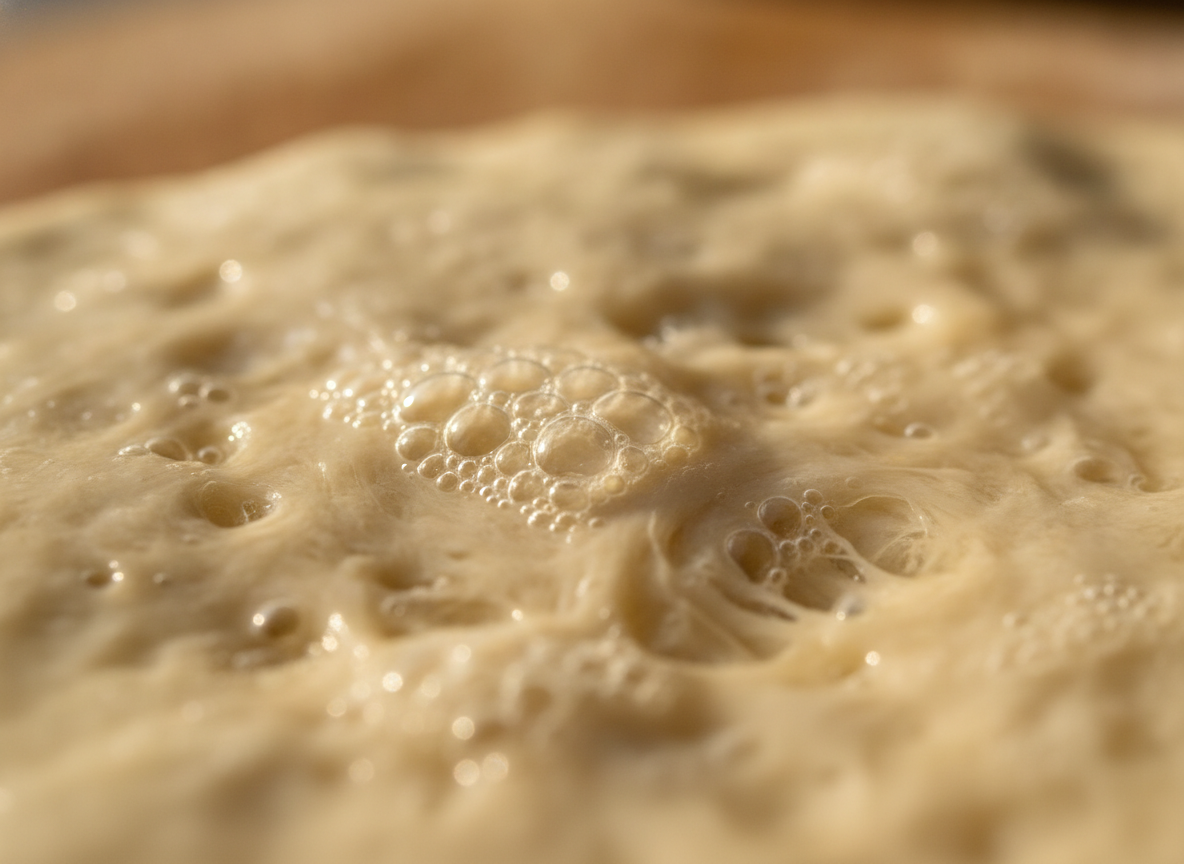
Once the dough is mixed, the biological magic of fermentation takes over. Yeast, a living fungus, begins to consume the simple sugars present in the flour. As it feasts, it releases carbon dioxide and ethanol. The CO2 is what inflates the gluten network, creating the internal bubbles that lead to a light, airy structure. However, the most critical ingredient in fermentation isn’t the yeast itself—it’s time.
This is why “cold fermentation” is a game-changer for enthusiasts. By letting the dough rest in the refrigerator for 24 to 72 hours, you slow down the yeast’s activity. This delay allows complex enzymatic reactions to occur that wouldn’t happen at room temperature. These enzymes break down complex starches into flavorful sugars and create organic acids. This slow-motion chemistry is what produces the characteristic tangy, nutty aroma and the complex “wheaty” flavor profile that distinguishes a professional crust from a bland, store-bought alternative.
Heat and the ‘Leopard Spotting’: The Final Transformation
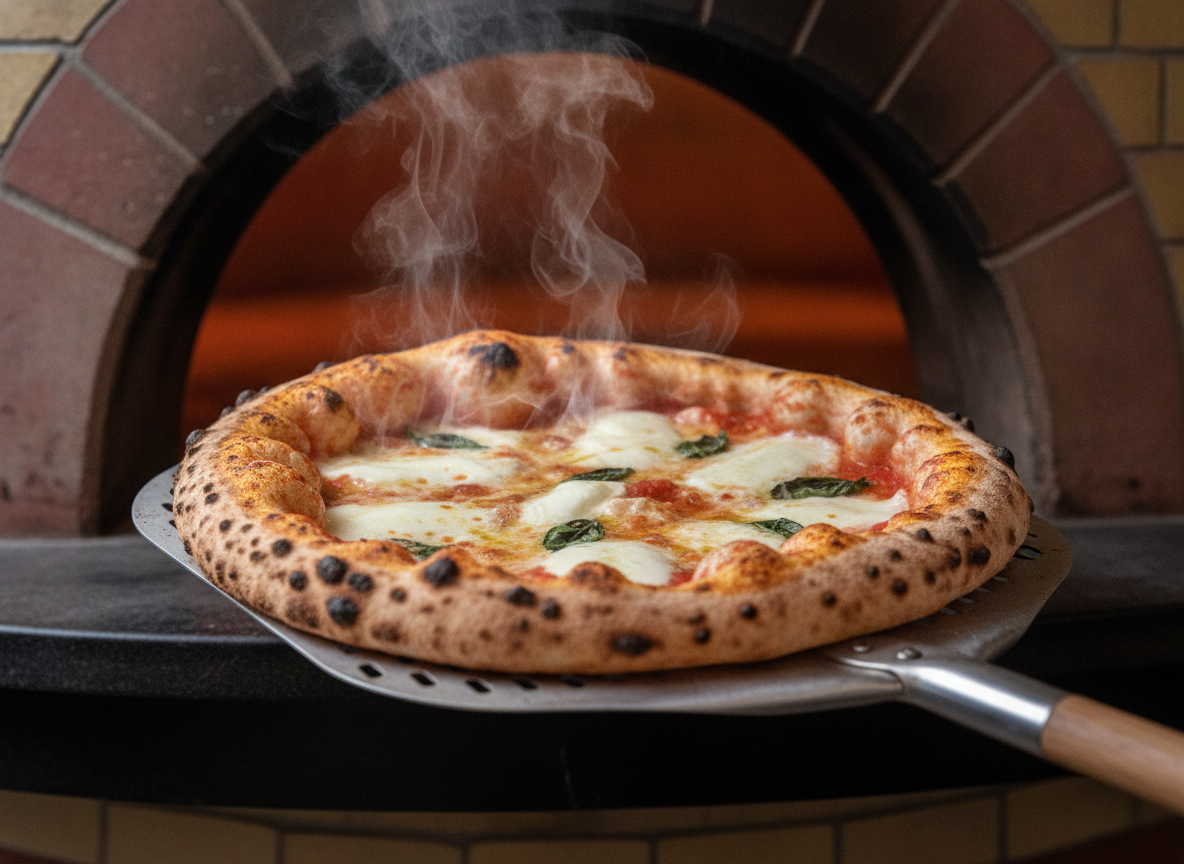
The final, most dramatic stage of the process occurs in the oven. To achieve a world-class crust, you need extreme heat—ideally exceeding 800°F (425°C). When the dough hits a scorching stone or steel, it undergoes “oven spring.” The water within the dough flashes into steam, causing the air pockets created during fermentation to expand rapidly before the gluten structure sets. This creates the “cornicione,” or the puffy outer rim.
This intense heat also triggers the Maillard reaction and caramelization. The Maillard reaction is a chemical reaction between amino acids and reducing sugars that gives browned food its distinctive flavor. In a high-heat environment, this happens so quickly that you get “leopard spotting”—those beautiful, tiny charred bubbles that dot the crust. These spots provide a hint of bitterness and smokiness that perfectly offsets the sweetness of the tomato sauce and the creaminess of the cheese. Without that high-temperature shock, the crust dries out before it browns, resulting in a crunchy, cracker-like texture rather than a supple, charred finish.
Conclusion: The Art of the Experiment
Mastering the perfect pizza crust is a lifelong pursuit of balancing hydration, temperature, and time. It is where the precision of a laboratory meets the passion of the kitchen. Every variable—from the humidity in your kitchen to the specific brand of flour you use—will influence the final result. We encourage you to embrace the science, experiment with your fermentation times, and push your oven to its limits. Remember, every dough is a new opportunity to create something extraordinary. Grab your flour, trust the chemistry, and let the science of the crust lead you to pizza perfection.