In the vast, ever-evolving landscape of global gastronomy, few dishes have undergone a transformation as profound as the pizza. What began as a simple street food in the bustling alleys of 18th-century Naples has blossomed into a global canvas for culinary expression. At PizzaCream, we’ve always believed that to understand the future of pizza, we must first respect its past. Today, we’re taking a journey through the evolution of pizza toppings—from the sacred simplicity of tradition to the daring innovations of the modern kitchen.
The Foundation of Tradition: The Sacred Margherita
The story of pizza as we know it starts with the Margherita. Legend has it that in 1889, pizzaiolo Raffaele Esposito created a pie to honor Queen Margherita of Savoy, using toppings that represented the colors of the Italian flag: red (tomatoes), white (mozzarella), and green (basil). This “sacred trinity” established the golden rule of traditional pizza: balance.
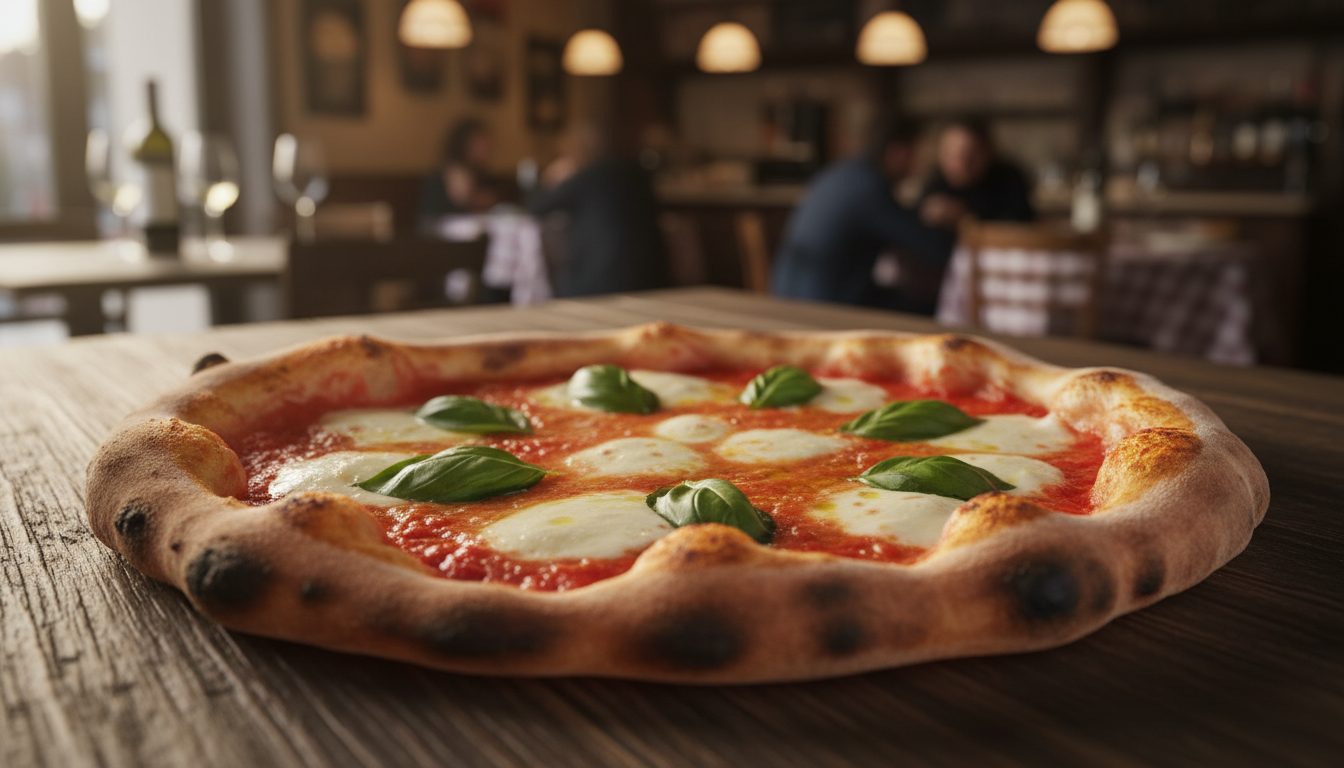
In traditional Neapolitan pizza, the quality of the ingredients is the only thing that matters. San Marzano tomatoes, grown in the volcanic soil of Mount Vesuvius, provide an unparalleled sweetness and acidity. Buffalo mozzarella offers a creamy, delicate texture that melts into the sauce without overpowering the crust. When you’re dealing with such perfection, more isn’t better—it’s just more.
The Artisanal Shift: Crafting the Dough
Before any toppings can shine, the foundation must be flawless. The modern artisanal movement has brought a renewed focus on the craft of dough preparation. We’re seeing a return to long fermentation times, sourdough starters, and ancient grain flours that add depth and complexity to the crust.
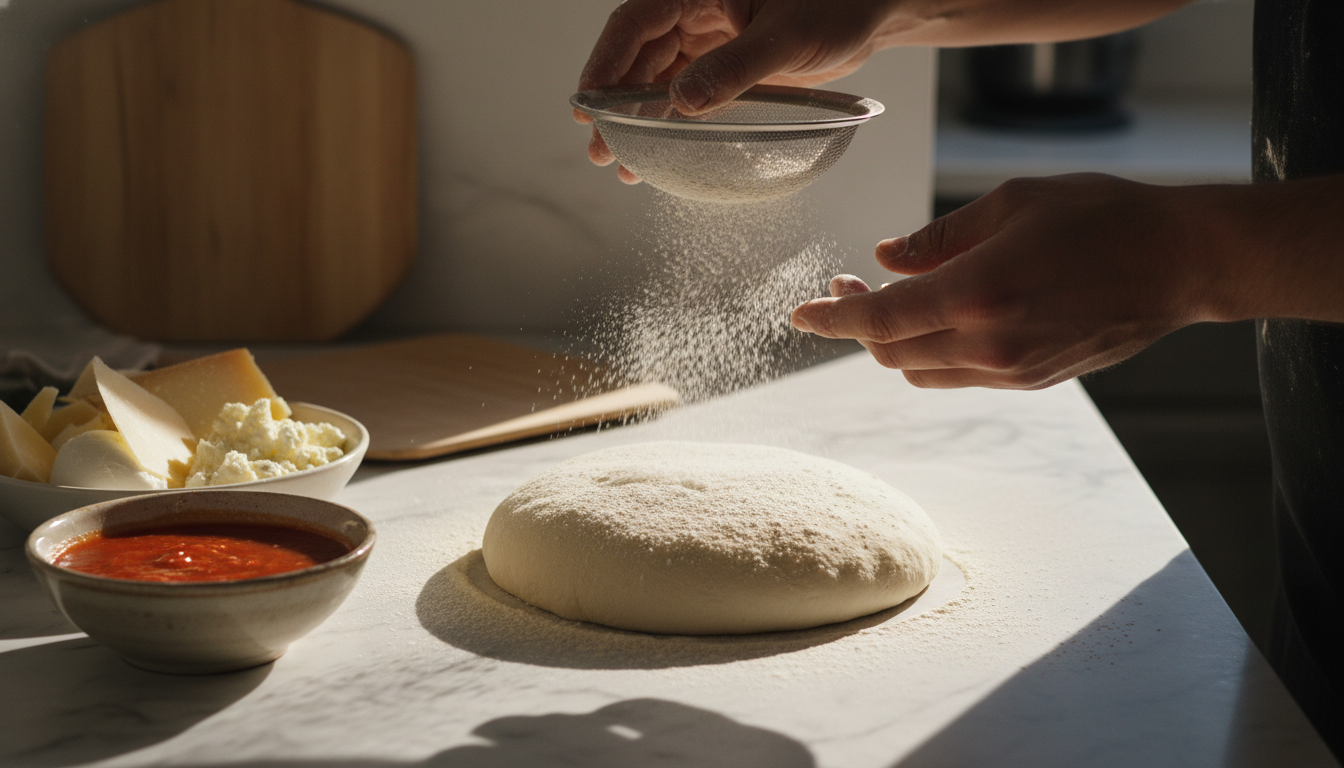
As we’ve discussed in our deep dive into The Art of the Perfect Pizza Dough, the texture of the crust dictates how the toppings interact with the heat. A light, airy cornicione (the rim) provides a crunchy contrast to the molten center, creating a multi-sensory experience in every bite.
The Brave New World: Gourmet Innovation
In recent years, the boundaries of “acceptable” toppings have been shattered. Gourmet pizza has become a playground for fusion and experimentation. We’re no longer limited to meat and vegetables; we’re seeing the inclusion of seasonal fruits, exotic cheeses, and complex sauces that were once reserved for fine-dining appetizers.
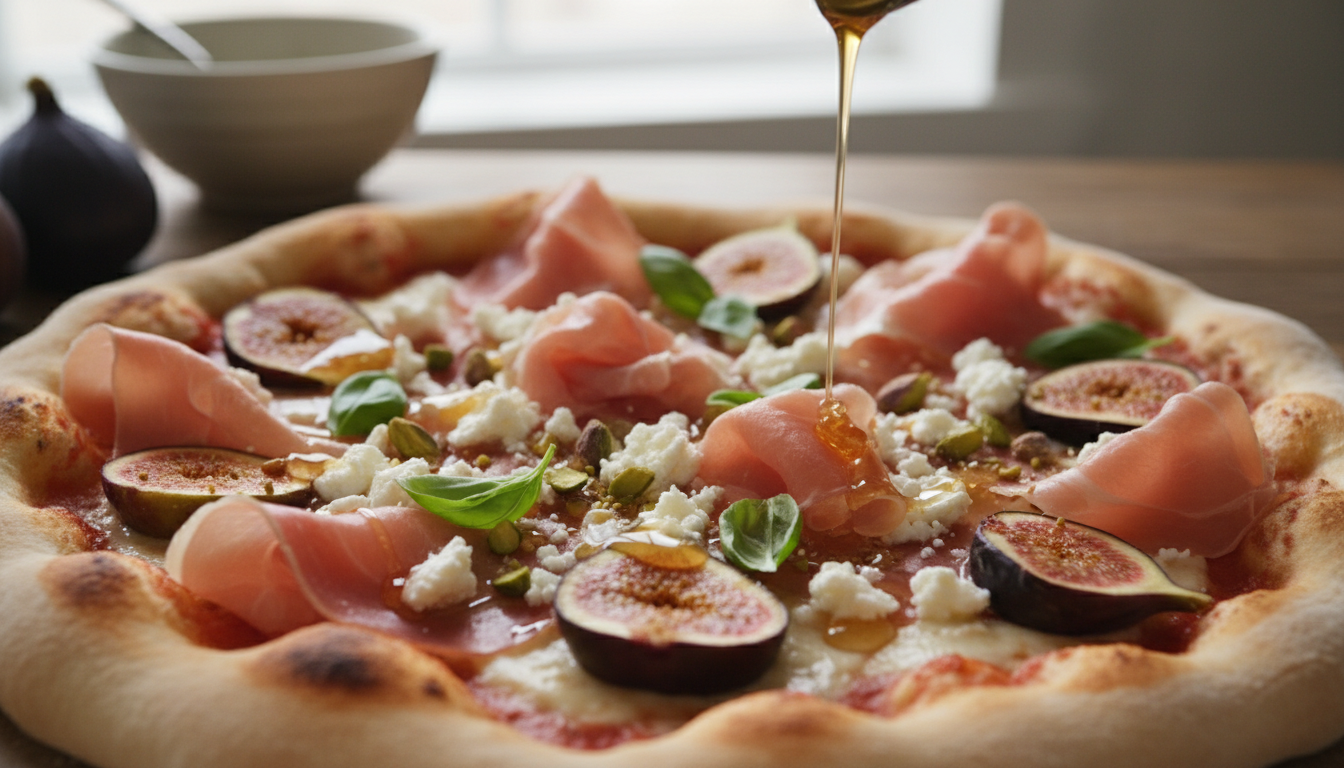
Imagine a white pizza topped with thinly sliced roasted pears, creamy gorgonzola, and a drizzle of truffle-infused honey. Or a Mediterranean-inspired pie featuring smoked octopus and preserved lemon. This isn’t just pizza; it’s a culinary dialogue. If you’re looking to experiment in your own kitchen, check out our guide on Elevating Your Home Pizza Game.
A Global Tapestry of Flavor
Today, pizza is a universal language, but every culture speaks it with a different accent. From the deep-dish behemoths of Chicago to the ultra-thin, cracker-like crusts of St. Louis, the “style” of pizza is often defined as much by its geography as its ingredients.
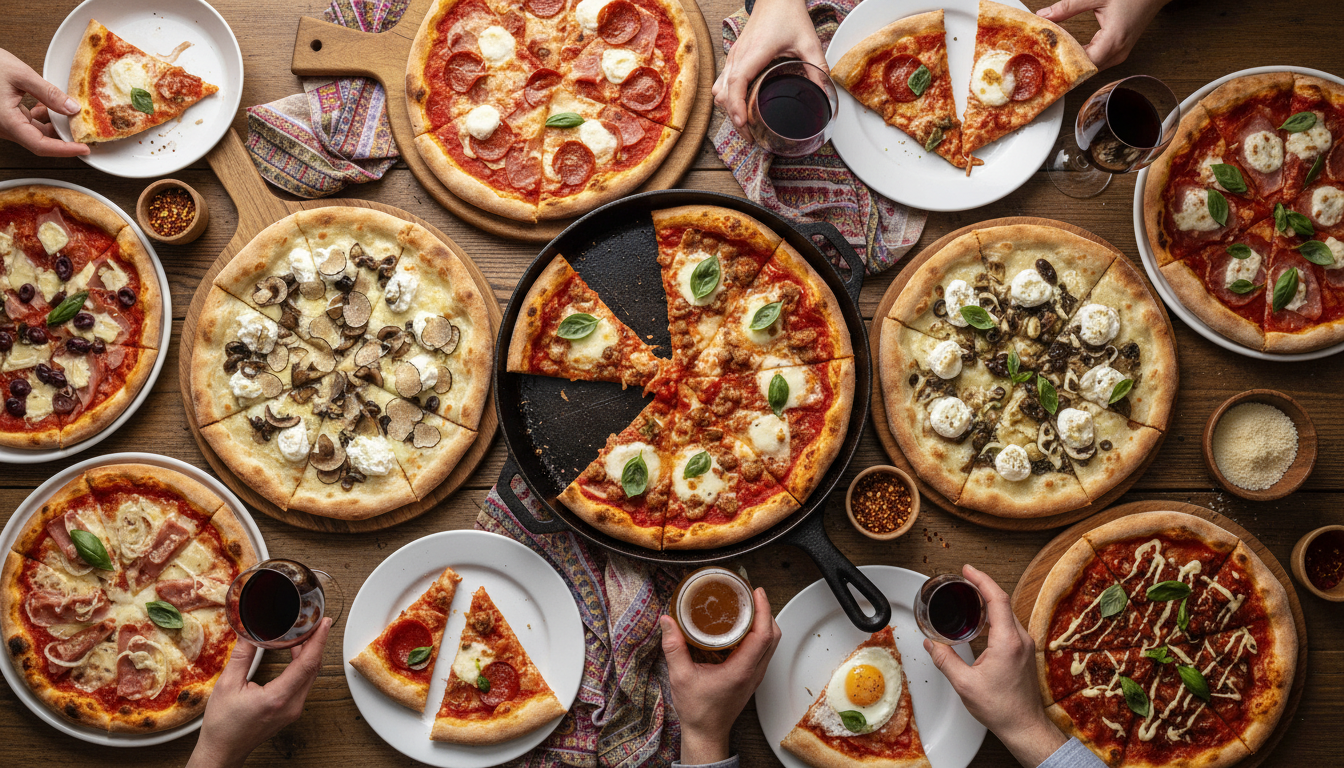
As we explore Regional Pizza Styles of Italy and beyond, it’s clear that the “perfect” pizza is a subjective masterpiece. Whether you’re a traditionalist who insists on nothing but tomato and cheese, or an adventurer seeking the next bold flavor profile, there is a place for you at the table.
At PizzaCream, we celebrate it all. Because at the end of the day, pizza isn’t just about the toppings—it’s about the community, the history, and the joy of sharing a perfect slice. What’s on your ultimate pie? Let us know in the comments!