The Evolution of Pizza: From Naples to Your Doorstep
Pizza is more than just a meal; it is a global language. Whether you are in a bustling corner of New York City, a quiet village in Japan, or a high-tech hub in San Francisco, the sight of a circular dough topped with bubbling cheese and vibrant sauce is universally recognized. However, the journey of this iconic dish from a humble street food for the Neapolitan poor to a multi-billion dollar global industry is a fascinating tale of migration, innovation, and cultural adaptation.
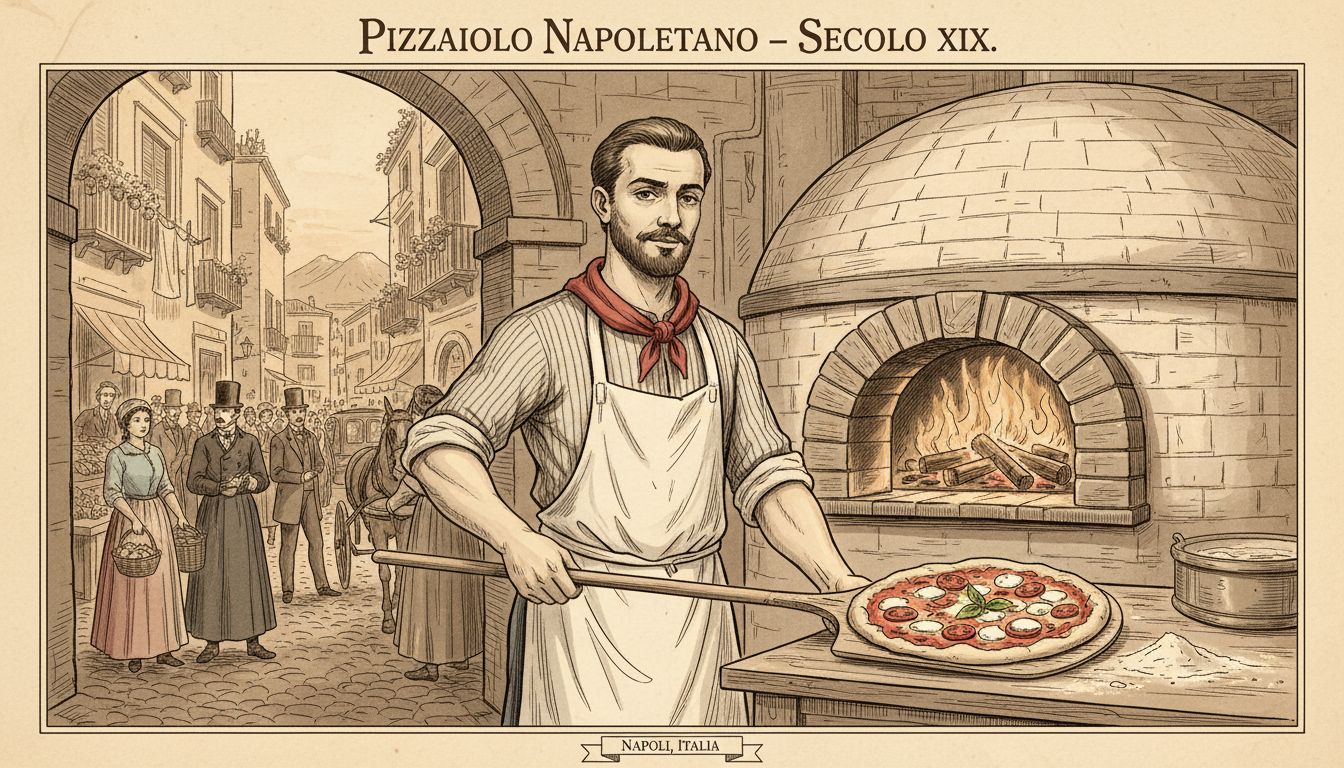
The Humble Beginnings in 19th Century Naples
While flatbreads with toppings have existed since antiquity, the pizza we recognize today was born in the 18th and 19th centuries in Naples, Italy. At the time, Naples was one of the largest cities in Europe, teeming with the “lazzaroni”—the working poor who required inexpensive food that could be eaten quickly. Pizza, sold by street vendors and not yet in formal restaurants, fit the bill perfectly. These early iterations featured simple ingredients like garlic, lard, and salt, or perhaps some small fish and Caciocavallo cheese.
The turning point for pizza’s reputation came in 1889. Legend has it that King Umberto I and Queen Margherita visited Naples and grew tired of their steady diet of French haute cuisine. They requested a variety of pizzas from the city’s most famous pizzaiolo, Raffaele Esposito. The Queen’s favorite was a pizza topped with tomatoes, mozzarella, and fresh basil—representing the red, white, and green of the Italian flag. This combination was subsequently named the “Margherita” in her honor. This royal endorsement helped elevate pizza from a food of the destitute to a national treasure. To understand how these early traditions branched out into the diverse landscape of Italian cuisine, one must explore the various Regional Pizza Styles of Italy.
The Migration to America and the Rise of the Pizzeria
As the 19th century drew to a close, millions of Italians migrated to the United States, bringing their culinary traditions with them. In the burgeoning neighborhoods of Little Italy in New York, Trenton, and New Haven, the aroma of baking dough began to fill the air. The first documented pizzeria in America was Lombardi’s, opened by Gennaro Lombardi in Manhattan’s Little Italy in 1905. Initially, these were not the sit-down establishments we see today; they were often grocery stores that sold “tomato pies” wrapped in paper and tied with string.
As pizza moved across the Atlantic, it began to evolve. The availability of different ingredients and the shift from coal-fired ovens to gas-deck ovens led to the birth of the New York-style slice—large, foldable, and heavy on the cheese. By the mid-20th century, pizza had moved beyond Italian-American enclaves and into the mainstream. This era also saw the rise of the home cook attempting to replicate these flavors, leading to a demand for Essential Pizza Making Tools that could help bridge the gap between a professional kitchen and a domestic one.
The Post-War Boom and the Birth of Delivery
The true explosion of pizza’s popularity in the United States occurred after World War II. American GIs returning from the Italian campaign came home with a craving for the dish they had discovered abroad. This surge in demand coincided with the rise of the automobile and the suburbanization of America. Pizza was the perfect candidate for a new frontier in dining: the delivery service.
In the late 1950s and early 1960s, chains like Pizza Hut and Domino’s were founded, focusing on speed, consistency, and convenience. The invention of the corrugated cardboard pizza box in the 1960s was a technological breakthrough, allowing pizzas to stay hot and crisp during transport without collapsing under the weight of multiple stacks. This period also sparked a debate that continues to this day regarding the quality of the bake. Purists often argue over the merits of Wood-Fired vs. Home Ovens, as the industrialization of pizza delivery prioritized efficiency over the charred, smoky crusts of traditional Neapolitan methods.
Future Trends: Drones and AI-Driven Recipes
Today, the pizza industry is at the forefront of a new technological revolution. We are moving beyond the simple phone call or mobile app order into an era defined by automation and artificial intelligence. In several pilot programs across the globe, autonomous robots and drones are already being tested to navigate city sidewalks and airspace, delivering hot pizzas to customers in record time without a human driver.
Beyond delivery, AI is beginning to influence the very flavors we consume. Machine learning algorithms are being used to analyze flavor compounds and consumer preferences to create “hyper-personalized” recipes. These AI systems can suggest unconventional topping combinations that the human palate might find surprisingly harmonious, such as blueberry and gorgonzola or spicy honey and charred kale. Furthermore, robotic “pizzaiolos” are being developed that can stretch dough, apply sauce, and distribute toppings with mathematical precision, ensuring that every pizza is identical to the last. While some fear the loss of the “human touch,” these innovations promise to make high-quality pizza more accessible and sustainable than ever before.

From the sun-drenched streets of 19th-century Naples to the high-tech delivery systems of the 21st century, pizza has proven to be one of the most adaptable and enduring foods in human history. It has survived wars, crossed oceans, and embraced technology, all while maintaining its core identity as a simple, shared joy. As we look toward a future of drone deliveries and AI-crafted crusts, one thing remains certain: our love affair with the perfect slice is far from over.