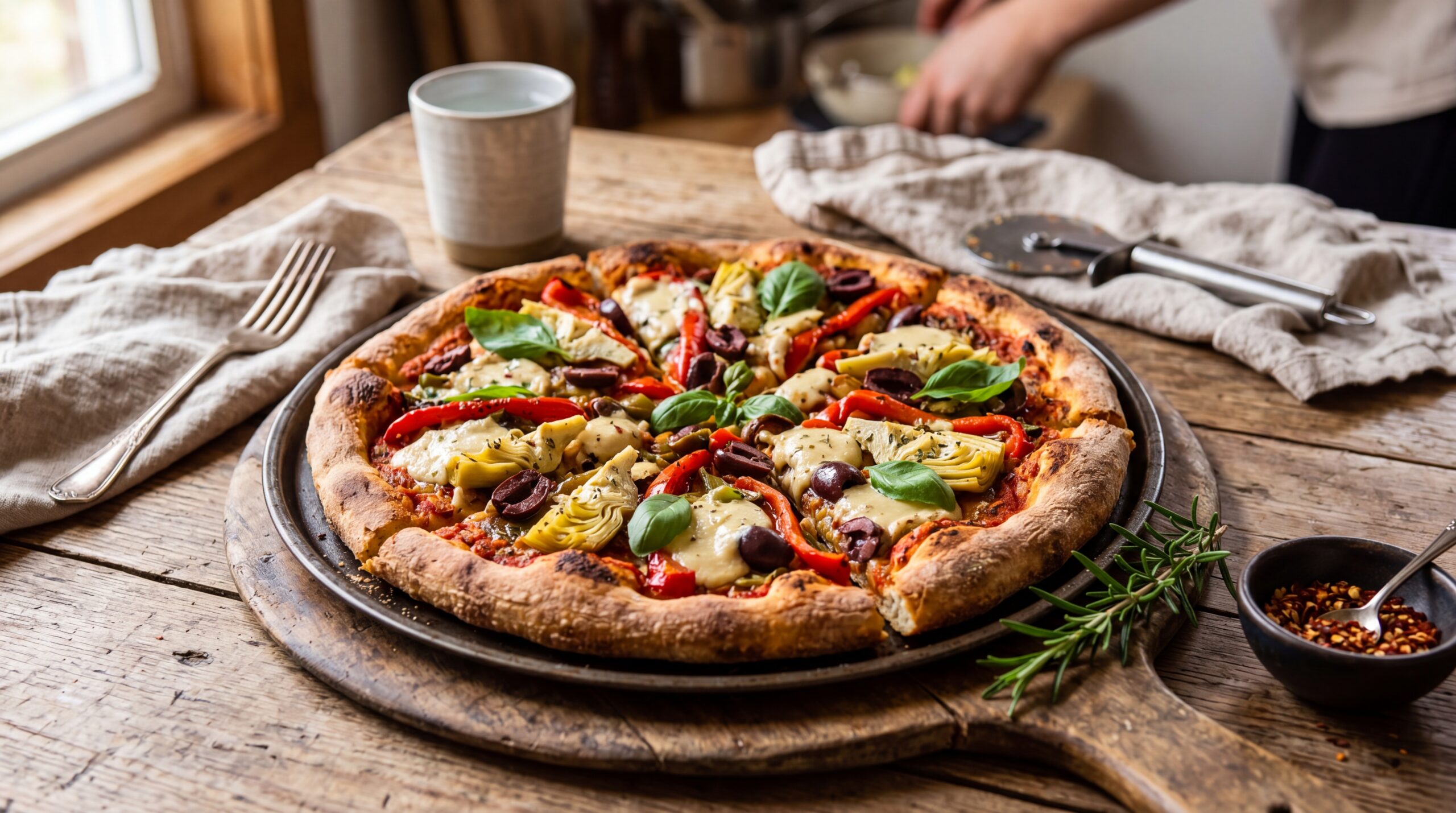
The Ultimate Guide to Vegan Pizza: Flavor Without Compromise
Gone are the days when ordering a vegan pizza meant receiving a sad, dry crust topped with a few lonely vegetable slices and no cheese. Today, the plant-based revolution has transformed the pizza industry, turning vegan options from an afterthought into a gourmet highlight. Whether you are a lifelong vegan, a curious flexitarian, or someone simply looking to reduce their dairy intake, the modern world of vegan pizza offers a symphony of flavors that rival any traditional pie.
The beauty of vegan pizza lies in its creativity. Without the heavy reliance on animal fats, chefs and home cooks are forced to think outside the box, utilizing fresh herbs, umami-rich vegetables, and innovative plant-based proteins. In this guide, we’ll explore how to build the perfect vegan pizza from the crust up, ensuring every bite is packed with flavor and satisfaction.
The Foundation: Vegan Dough and Sauce
Every great pizza begins with the basics. Fortunately for plant-based enthusiasts, most traditional pizza dough is naturally vegan. Consisting of just flour, water, yeast, and salt, the crust provides a sturdy, chewy canvas for your toppings. However, achieving that perfect restaurant-quality bubble and char requires a bit of technique. To master your base, check out our deep dive into The Art of the Perfect Pizza Dough, where we explore the science of fermentation and kneading.
Once your dough is ready, the next layer of flavor is the sauce. While many commercial sauces are vegan, some contain hidden dairy or honey. Making your own allows you to control the sweetness and acidity, ensuring it complements your plant-based toppings perfectly. For a sauce that truly sings, follow our guide on The Secret to the Perfect Pizza Sauce. A high-quality tomato base provides the essential acidity and moisture that makes a vegan pizza feel indulgent rather than dry.
Choosing the Right Vegan Cheese
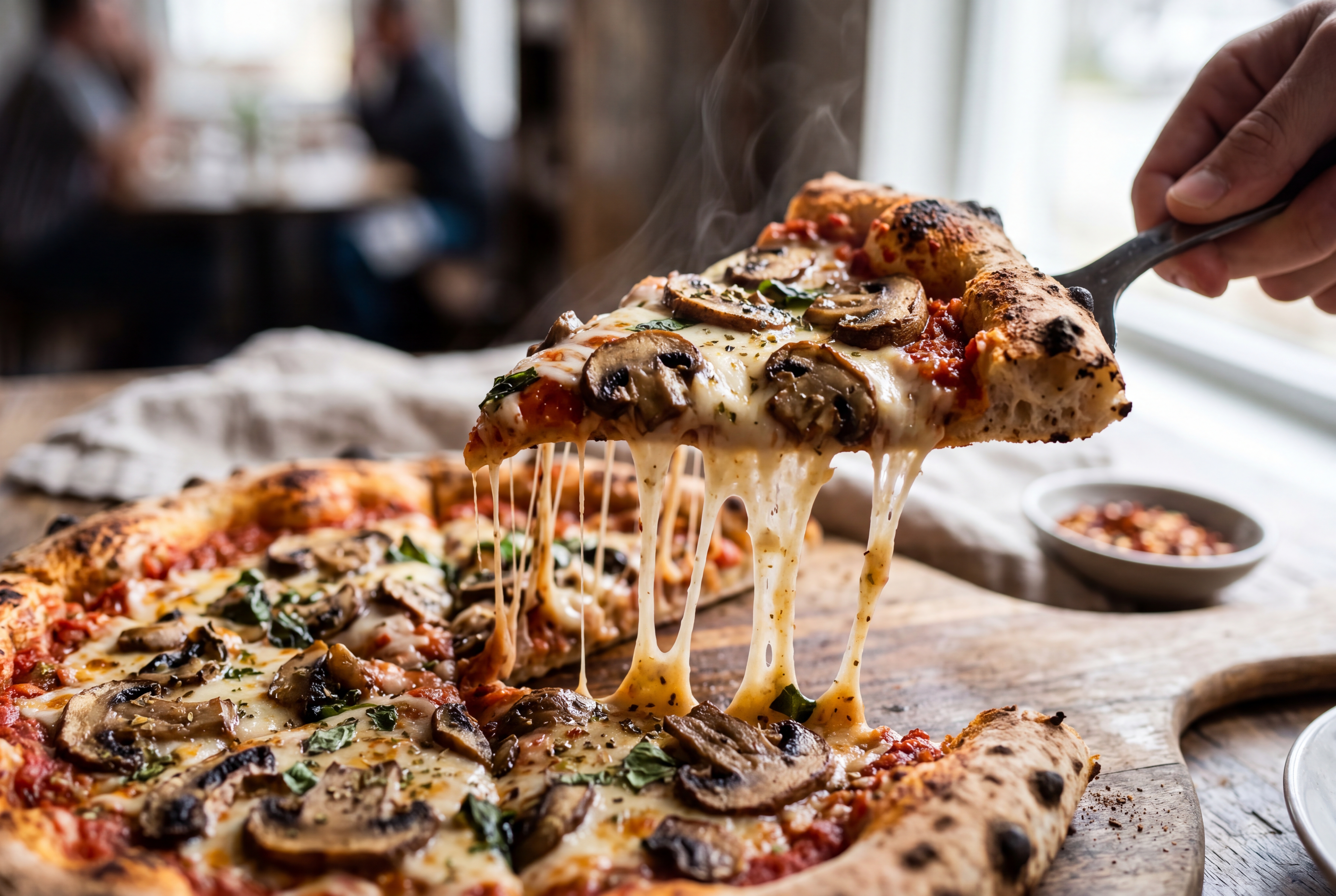
The “cheese factor” used to be the biggest hurdle for vegan pizza, but technology and culinary artistry have caught up. Today, there are three main categories of vegan cheese, each offering a different texture and flavor profile:
Cashew-Based Cheeses
Cashew cheese is the gold standard for those seeking a creamy, rich mouthfeel. Often used as a “ricotta” substitute or dolloped on as a fresh mozzarella alternative, cashew cheese provides a natural sweetness and a high fat content that mimics dairy beautifully. It doesn’t always “stretch” like traditional mozzarella, but its flavor is unparalleled.
Soy-Based Options
Soy-based cheeses are often the best choice for those who want that classic “melt.” These are frequently found in shreds or blocks at the grocery store. Because soy protein is highly versatile, these cheeses can be engineered to bubble and brown in a hot oven, giving you that nostalgic pizza experience.
Nut-Based Artisanal Blends
Beyond cashews, many artisanal brands use almonds, macadamias, or even sunflower seeds to create complex, aged flavors. These often incorporate nutritional yeast for a “cheesy” tang and are perfect for sophisticated pizzas featuring arugula, figs, or balsamic reductions.
Creative Vegan Toppings
- Vegan Sausage and Pepperoni: Modern seitan and soy-based meats have incredible texture. Crumbled vegan sausage seasoned with fennel and red pepper flakes adds a hearty, savory punch.
- Pine Nuts and Walnuts: For an unexpected crunch and a boost of healthy fats, toasted pine nuts or crushed walnuts work wonders, especially when paired with a pesto base.
- Balsamic Glaze: A drizzle of thick, sweet balsamic glaze after the pizza comes out of the oven adds a sophisticated acidity that cuts through the richness of vegan cheeses.
- Marinated Artichokes and Sun-Dried Tomatoes: These “pantry staples” provide concentrated bursts of flavor and a meaty texture that satisfies the palate.
- Fresh Herbs: Never underestimate the power of fresh basil, oregano, or even a handful of fresh arugula tossed in lemon juice to brighten up a heavy pie.
Health Benefits of Going Plant-Based
Choosing a vegan pizza isn’t just a win for the animals and the environment; it’s also a win for your body. Plant-based pizzas are typically lower in saturated fats and cholesterol compared to their meat-and-dairy-heavy counterparts. By loading your crust with fiber-rich vegetables and heart-healthy nuts, you’re turning a “cheat meal” into a nutrient-dense feast.
Furthermore, many people find that vegan pizza is much easier on the digestive system, avoiding the “heavy” feeling that often follows a traditional cheese-laden meal. If you’re looking for more ways to enjoy your favorite food without the guilt, explore our tips on Healthy Pizza Options: Guilt-Free Slices You’ll Love. From cauliflower crusts to nutrient-packed toppings, there are endless ways to keep your pizza night both delicious and nutritious.
Conclusion
The ultimate vegan pizza is not about what you’re taking away; it’s about the incredible variety of ingredients you’re adding. By focusing on a high-quality foundation of dough and sauce, selecting the right plant-based cheese for your cravings, and getting creative with gourmet toppings, you can create a masterpiece that satisfies any pizza lover. Vegan pizza is no longer a compromise—it’s a culinary destination in its own right. So, fire up your oven, grab your favorite plant-based ingredients, and discover just how delicious flavor without compromise can be!