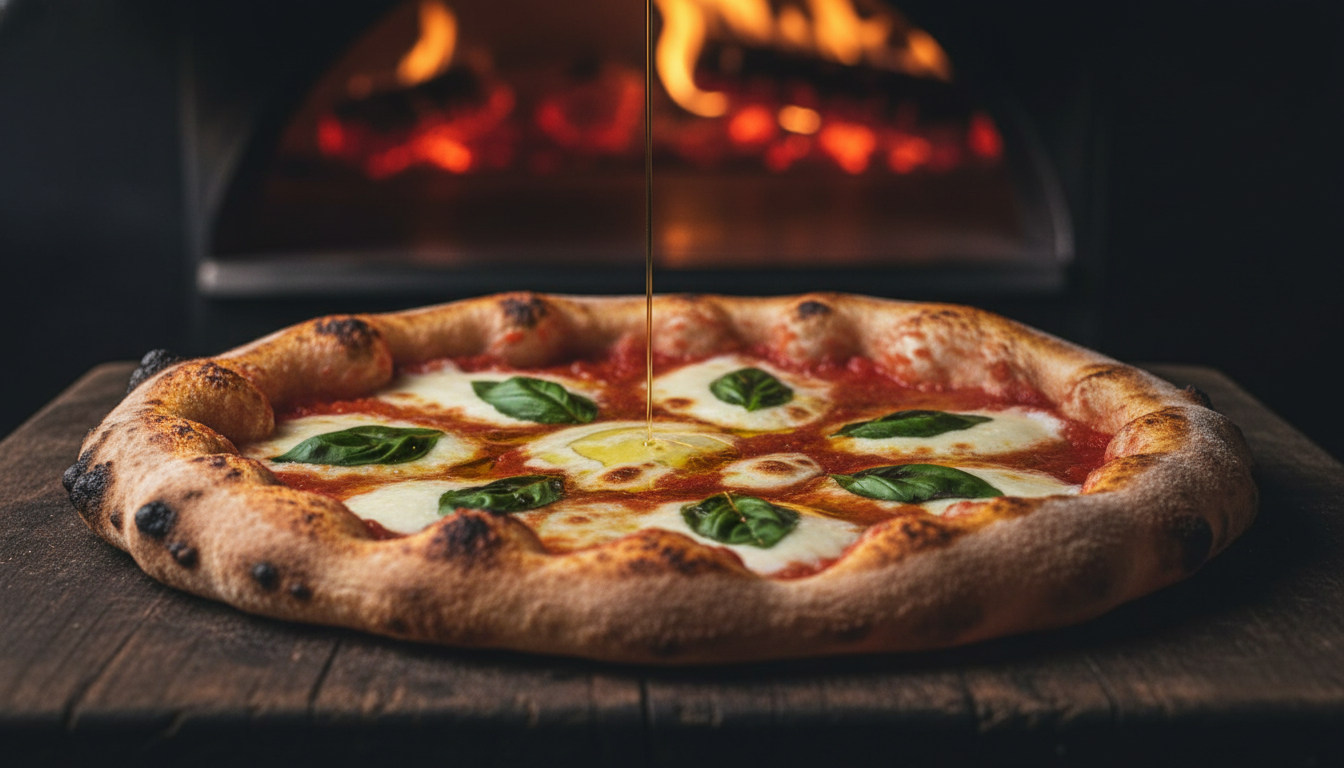
There is a reason Neapolitan pizza has been granted UNESCO Cultural Heritage status — it is not just food, it is a centuries-old art form. Born in the streets of Naples, Italy, this iconic style of pizza is defined by its pillowy, char-blistered crust, the sweetness of San Marzano tomatoes, and the creamy richness of fresh buffalo mozzarella. The good news? With the right technique and a little patience, you can master this craft right in your own kitchen.
What Makes Neapolitan Pizza Truly Unique?
Unlike American-style pizza with its thick, bready base, or New York slices meant to be folded, Neapolitan pizza is defined by strict, almost sacred rules. According to the Associazione Verace Pizza Napoletana (AVPN), an authentic Neapolitan pizza must be made with specific ingredients, hand-stretched dough, and baked in a wood-fired oven at 450–500°C (840–930°F) for no more than 60–90 seconds.
The result is a pizza with a soft, moist center that slightly droops when lifted, surrounded by an airy, lightly charred crust rim called the cornicione. It is delicate, aromatic, and absolutely unforgettable.
Step 1: The Dough — The Foundation of Everything
The dough is the soul of Neapolitan pizza. It requires just four ingredients — flour, water, salt, and yeast — but the magic lies in the process. Use 00 flour (finely milled Italian flour) for the most elastic, silky dough. A hydration level of around 60–65% produces the perfect balance of chewiness and tenderness.
The key is a long, cold fermentation. Mix your dough, let it bulk ferment at room temperature for 2 hours, then refrigerate for at least 24 hours — up to 72 hours for the most complex flavour. This slow rise develops gluten structure and creates those beautiful air pockets in the crust. For a professional take on this step, don’t miss our guide on The Secret to Perfect Pizza Dough.
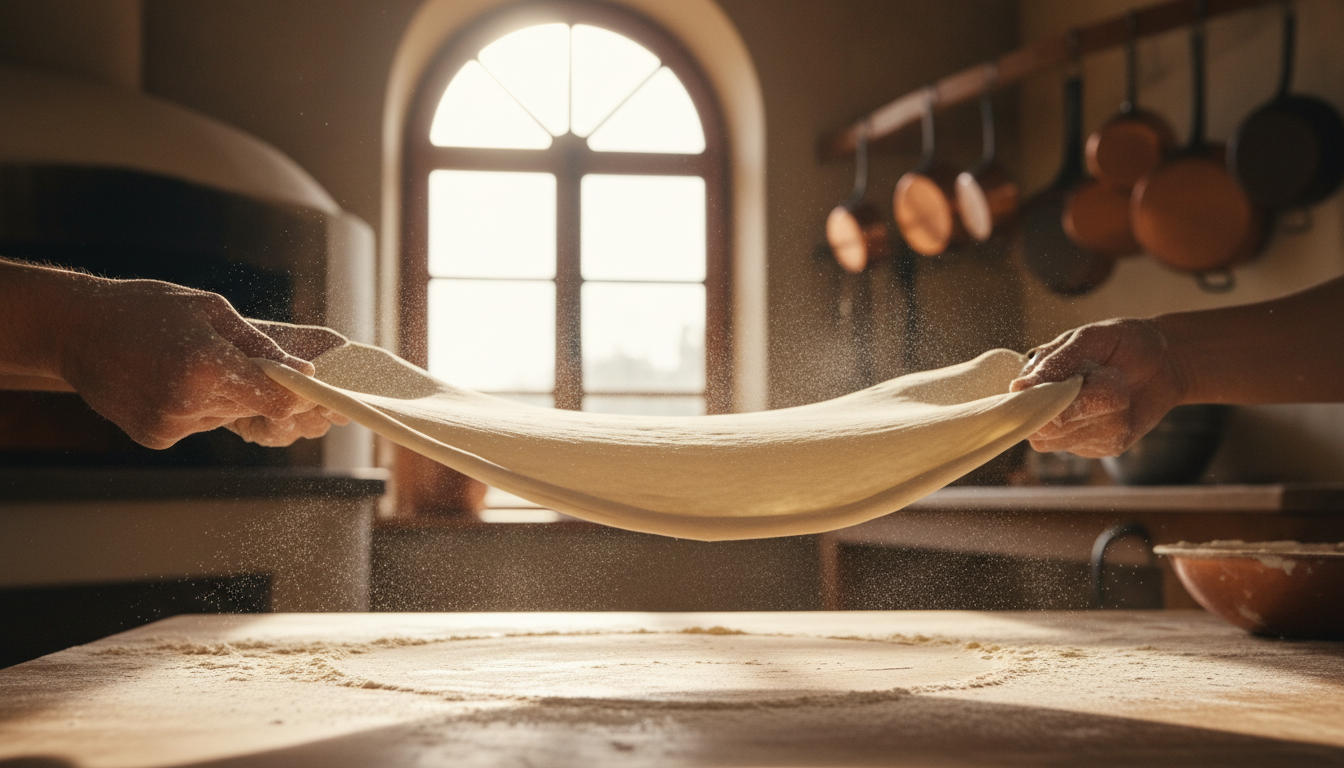
When it is time to shape, never use a rolling pin. Place your dough ball on a lightly floured surface and use your fingertips to gently press from the centre outward, then drape it over your knuckles and carefully stretch it in a circular motion. Aim for a 28–30 cm circle with a slightly thicker edge. This preserves the air bubbles that give the cornicione its famous lightness.
Step 2: The Sauce — Simple, Pure, and Brilliant
Great Neapolitan pizza sauce is barely a sauce at all — it is crushed, uncooked tomatoes. The secret is using San Marzano tomatoes, grown in the volcanic soil near Mount Vesuvius. They have a naturally low acidity, a rich sweetness, and a thick, meaty flesh that makes them perfect for pizza.
Open a can of whole peeled San Marzanos and crush them by hand into a bowl. Season with a pinch of sea salt and nothing else. No cooking, no herbs, no sugar. The high heat of the oven will do all the work, concentrating the flavour into something extraordinary. To learn more about perfecting your base, visit The Secret to the Perfect Pizza Sauce.
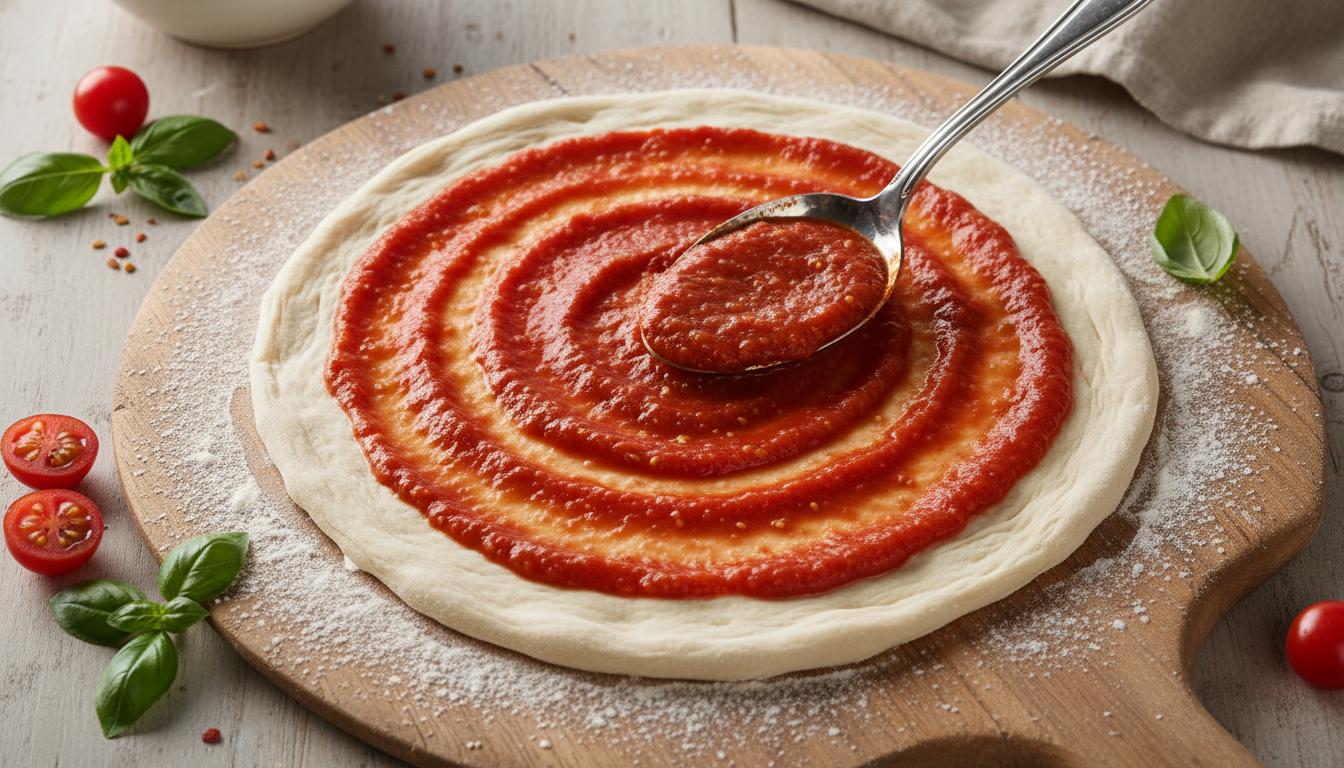
Apply the sauce in a spiral motion from the centre outward using the back of a large spoon, leaving a 2 cm border for the crust. Use a modest amount — about 80g per pizza. Less is more. Overloading the pizza with sauce leads to a soggy, heavy result that betrays the Neapolitan philosophy of lightness.
Step 3: Cheese, Toppings, and the Perfect Bake
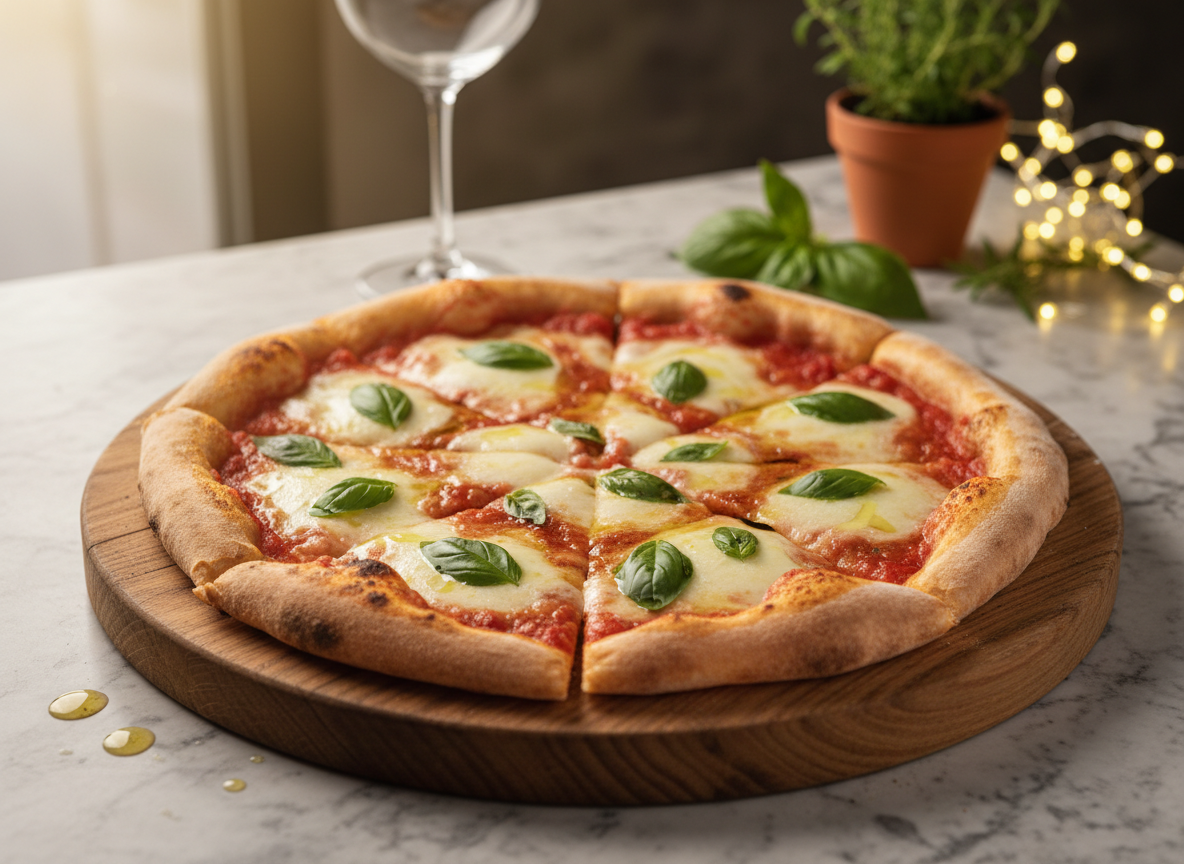
For a classic Margherita, tear fresh buffalo mozzarella (mozzarella di bufala) into chunks and arrange them over the sauce. The buffalo milk version has a richer, creamier flavour and a higher moisture content that melts into gorgeous puddles during baking. Pat it lightly dry before using to prevent excess water releasing into the pizza. For more on cheese varieties, see The Best Cheese for Pizza.
Add a few fresh basil leaves (added after baking to preserve their brightness), a light drizzle of high-quality extra virgin olive oil, and optionally, a tiny pinch of sea salt over the mozzarella. That is it. Resist the urge to pile on toppings — Neapolitan pizza is a lesson in restraint and balance.
For baking at home, your best tool is a pizza steel (or a heavy pizza stone) preheated in your oven at its maximum temperature — ideally 280–300°C (536–570°F) — for at least 45 minutes. Use a pizza peel dusted with semolina flour to slide your pizza onto the steel. Bake for 5–7 minutes until the crust is beautifully charred in spots and the cheese is bubbly and golden.
The Neapolitan Pizza Dough Recipe
Here is a reliable recipe that serves as the foundation for two 30cm Neapolitan pizzas:
- 500g Tipo 00 flour
- 325ml cold water (65% hydration)
- 10g fine sea salt
- 1g active dry yeast (or 3g fresh yeast)
Dissolve the yeast in water, then gradually add the flour and salt. Mix until a shaggy dough forms, then knead for 10 minutes until smooth and elastic. Divide into two balls, cover tightly, and refrigerate for 24–72 hours. Bring to room temperature for 2 hours before shaping.
Tips for Getting It Right Every Time
- Use a kitchen scale — baking is a science, and even small variations in dough hydration make a big difference.
- Preheat your baking surface thoroughly — a cold stone or steel will give you a pale, underbaked base.
- Don’t rush the fermentation — the longer the cold ferment (up to 72 hours), the more complex and digestible the dough becomes.
- Add basil after baking — heat destroys the delicate aroma of fresh basil. Always add it as soon as the pizza comes out of the oven.
- Less is more — every component should be able to shine on its own. Trust the quality of your ingredients.
A Slice of History on Your Plate
Making Neapolitan pizza at home is more than following a recipe — it is connecting with a tradition that stretches back to 18th-century Naples, where street vendors sold pizza to the city’s working-class neighbourhoods. When Queen Margherita of Savoy tasted it in 1889 and declared it her favourite, the pizza Margherita was born, and the world was never quite the same.
Every time you hand-stretch a dough, spread that simple tomato sauce, and wait patiently for your pizza to emerge from the heat with its signature leopard-spotted crust, you are participating in that living tradition. And with practice, your kitchen becomes a little corner of Naples — filled with warmth, aroma, and the quiet satisfaction of something made beautifully by hand.
Ready to try it? Start with the dough tonight — your best pizza is just 48 hours away.