The Science of Ice Cream Creaminess: What Makes the Perfect Scoop?
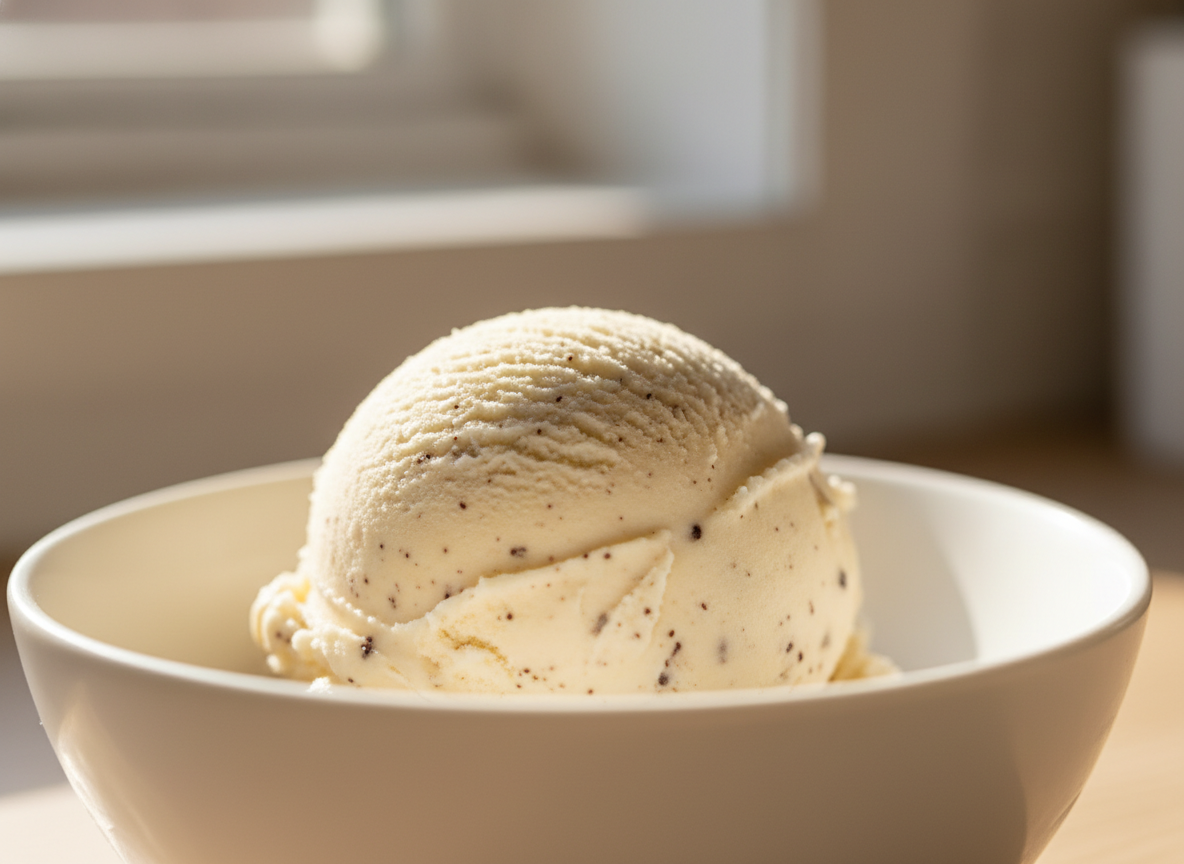
There is nothing quite like the sensation of a perfectly smooth, velvety scoop of ice cream melting on your tongue. Whether you’re finishing off a spicy pepperoni feast or just looking for a midnight snack, the texture of your dessert is just as important as the flavor. At PizzaCream, we believe that understanding the history of this perfect duo requires a deep dive into what makes the “cream” in ice cream so special. It isn’t just magic; it’s a complex dance of chemistry and physics.
1. The Role of Fat: The Foundation of Richness
When we talk about “mouthfeel,” we are primarily talking about fat. In the world of premium ice cream, milk fat (butterfat) is the star of the show. Fat serves several critical functions in the pursuit of the perfect scoop. First, it coats the palate, providing a lingering richness that carries flavors across your taste buds.
Beyond flavor, fat globules provide structural integrity. During the churning process, these tiny droplets of fat partially coalesce, creating a microscopic internal skeleton that traps air bubbles. This network is what gives ice cream its “body.” Without enough fat, ice cream feels thin, icy, and melts far too quickly. This is why high-quality pizza and ice cream pairings often feature full-fat dairy—the richness of the cream provides a necessary contrast to the savory, acidic notes of a tomato-based pizza.
2. The Importance of Air: Understanding Overrun
It might sound strange to think of air as an ingredient, but without it, you wouldn’t be eating ice cream—you’d be eating a frozen block of milk. In the industry, the amount of air pushed into the mixture is called “overrun.” If an ice cream has 50% overrun, it means the volume has increased by 50% due to the addition of air.
- Low Overrun: Results in a dense, heavy, and ultra-creamy texture (typical of gelato or super-premium brands).
- High Overrun: Results in a light, fluffy, and “airy” texture (typical of soft serve or budget-friendly tubs).
The secret to the perfect scoop is balance. Too much air makes the ice cream feel cheap and foamy; too little makes it hard to scoop and overly cold on the tongue. Air acts as an insulator, slowing down the rate at which the ice cream melts and making the cold temperature more palatable.
3. The Magic of Sugar: Lowering the Freezing Point
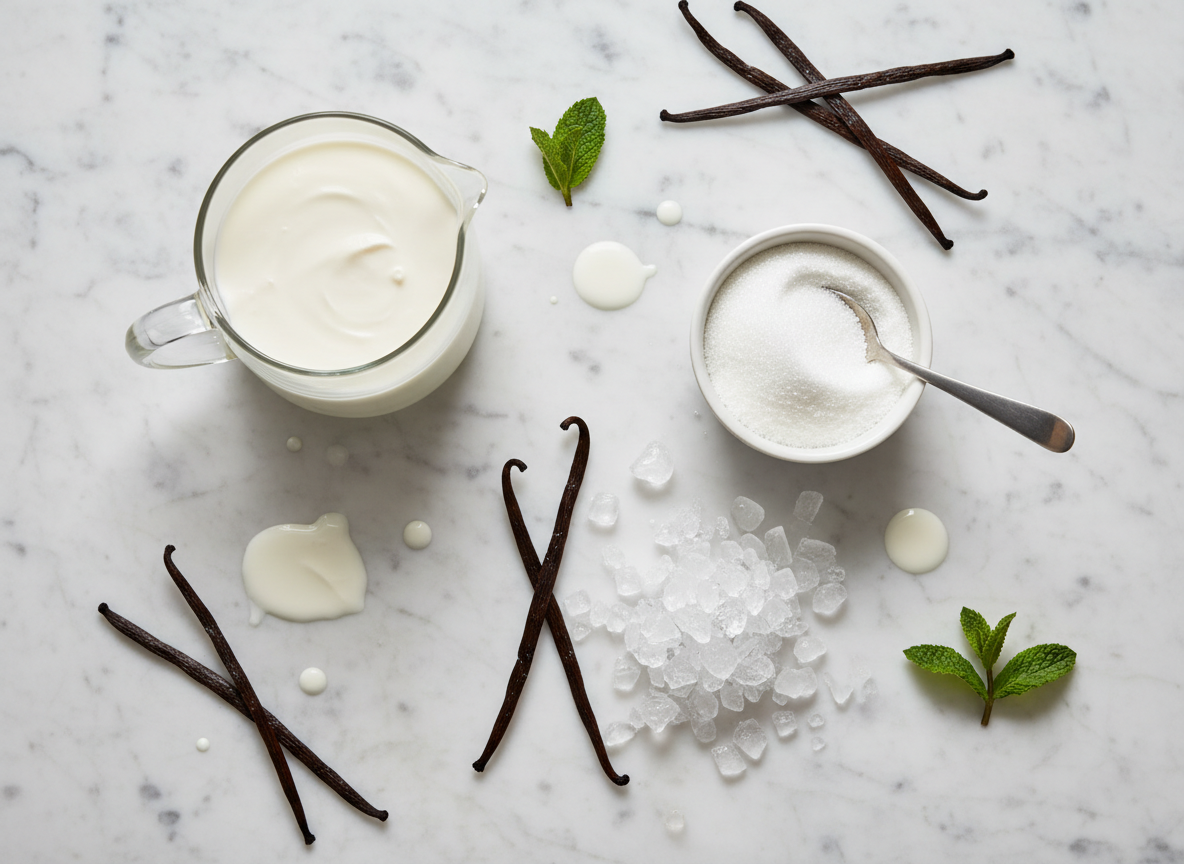
Sugar does more than just satisfy your sweet tooth; it is a functional powerhouse in ice cream science. Its most important job is “freezing point depression.” Pure water freezes at 32°F (0°C), but when you dissolve sugar into that water, the freezing point drops significantly.
This is vital because it ensures that not all the water in the ice cream turns into solid ice. Even at sub-zero temperatures, a portion of the water remains a concentrated sugar syrup. This liquid phase allows the ice cream to remain soft enough to scoop. If you’ve ever tried to make a “healthy” ice cream with no sugar, you likely ended up with a rock-hard brick. Sugar is the lubricant that keeps the frozen components moving smoothly against one another.
4. Why Ice Crystal Size Matters
The ultimate enemy of creaminess is the large ice crystal. If you’ve ever tasted ice cream that felt “gritty” or “crunchy,” you were experiencing large ice crystals. The goal of every master churner is to keep these crystals as small as possible—ideally under 40 micrometers. At that size, the human tongue cannot detect individual crystals, perceiving only a smooth liquid.
To keep crystals small, two things are required: rapid freezing and constant agitation. The faster the mixture freezes, the less time the water molecules have to find each other and grow into large structures. This is why professional machines and liquid nitrogen methods produce such smooth results. When setting up a DIY pizza and ice cream bar, keeping your ice cream at a consistent, very cold temperature is key to preventing “heat shock,” which causes crystals to melt and re-freeze into larger, grainier clumps.
The Final Verdict
The perfect scoop is a delicate equilibrium of fat, air, sugar, and ice. When these elements are in harmony, you get that signature PizzaCream texture that stands up to the boldest toppings. Next time you enjoy a scoop, take a moment to appreciate the molecular masterpiece happening in your bowl!