Pizza is perhaps the most universal language in the culinary world. From the bustling streets of New York City to the quiet alleys of Tokyo, the sight of a bubbling, cheese-laden disc emerging from a hot oven evokes a sense of comfort that few other dishes can match. What started as a humble meal for the working class in Naples has transformed into a global canvas for culinary expression. Today, pizza exists in a state of beautiful duality: it is both a strictly regulated tradition and a playground for avant-garde chefs pushing the boundaries of flavor, texture, and technique.
The journey of pizza is a fascinating study of cultural migration and adaptation. As it traveled from the Mediterranean to the rest of the world, it shed its identity as a simple street food and became a symbol of innovation. Yet, despite the thousands of variations that exist today—from deep-dish to thin-crust, and from pineapple toppings to truffle oil—the core essence of pizza remains unchanged. It is a dish that celebrates the harmony of simple ingredients, the transformative power of heat, and the joy of sharing a meal with others.
The Roots – Authentic Neapolitan Pizza
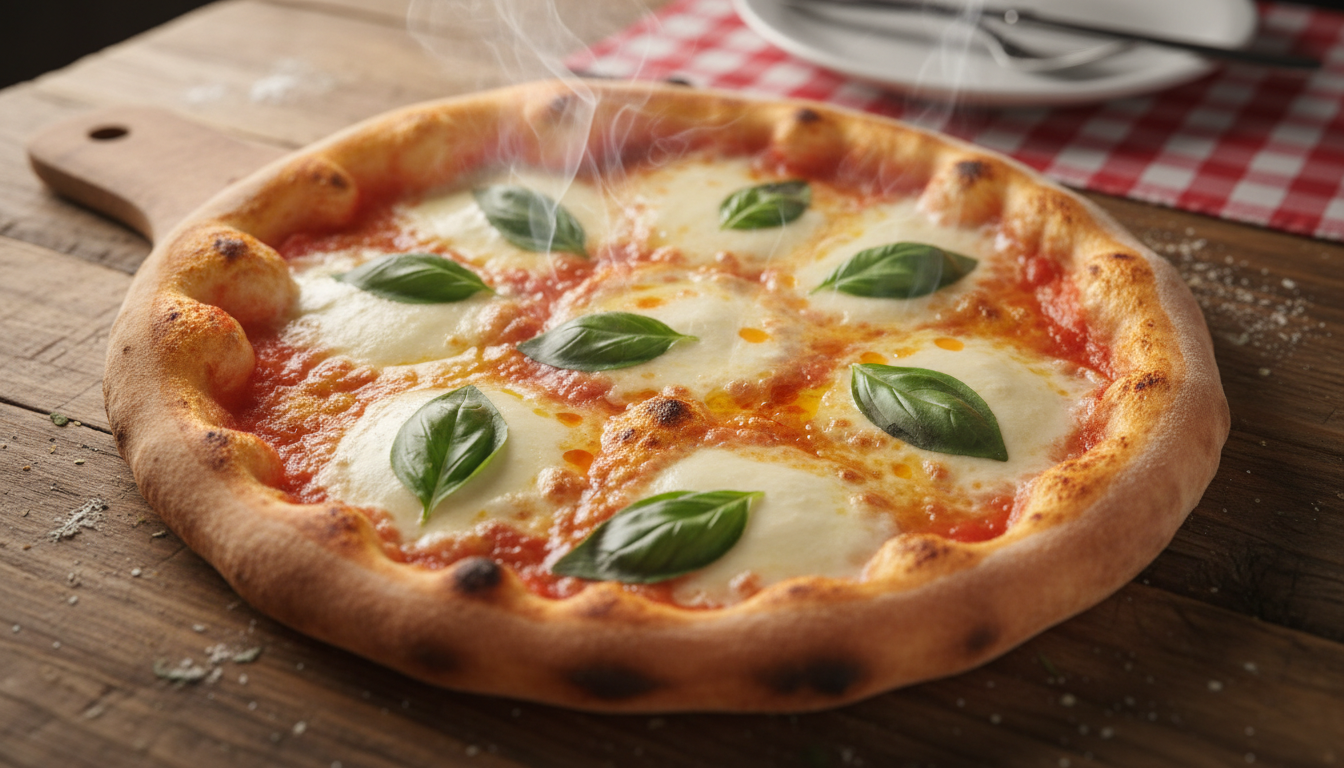
To understand the evolution of pizza, one must first pay homage to its birthplace: Naples, Italy. The Neapolitan pizza, or Pizza Napoletana, is not just a recipe; it is a protected cultural heritage. In the 18th and early 19th centuries, pizza was sold as affordable street food to the city’s poor. It wasn’t until 1889, when pizzaiolo Raffaele Esposito reportedly created the Pizza Margherita to honor Queen Margherita of Savoy, that the dish gained royal approval. The colors—red tomatoes, white mozzarella, and green basil—represented the Italian flag, and a culinary legend was born.
Authentic Neapolitan pizza is governed by strict rules set by the Associazione Verace Pizza Napoletana (AVPN). To be considered “true,” the pizza must use specific ingredients: highly refined “Tipo 00” flour, San Marzano tomatoes grown in the volcanic soil of Mount Vesuvius, and Mozzarella di Bufala Campana. The dough must be kneaded by hand or a low-speed mixer and formed without the help of a rolling pin. Finally, it must be cooked in a wood-fired stone oven at temperatures exceeding 900°F (480°C) for no more than 60 to 90 seconds. The result is a soft, elastic crust with characteristic “leopard spotting” (charred bubbles) and a fragrant, soupy center that is traditionally eaten with a knife and fork.
The Craft of the Dough
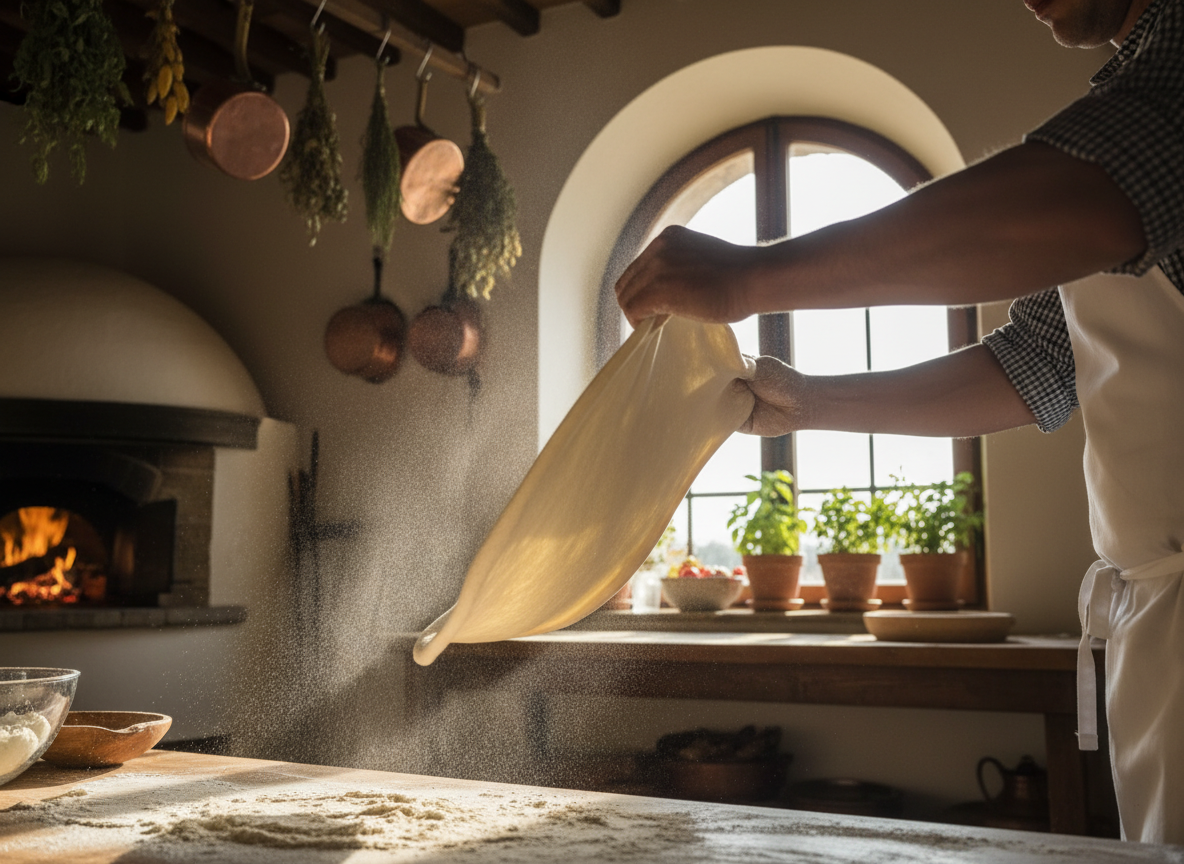
While toppings often get the spotlight, any master pizzaiolo will tell you that the soul of the pizza lies in the dough. The transition from classic to modern pizza has seen a massive shift in how we approach fermentation and hydration. In the traditional Neapolitan style, the focus is on a quick, high-heat bake that preserves the moisture of the dough. However, modern artisans have begun to experiment with the science of bread-making to create crusts with more complexity and “crunch.”
One of the most significant trends in modern pizza is the use of long-fermentation sourdough starters. By allowing the dough to ferment for 48 to 72 hours, enzymes break down the starches and gluten, making the crust easier to digest and imbuing it with a subtle tang. Additionally, “high-hydration” doughs—where the water content is significantly higher than in traditional recipes—have become popular. These doughs produce a cornicione (crust) that is incredibly airy and light, often referred to as “canotto” style (resembling a life raft). This focus on the “bread” aspect of pizza has elevated the dish from fast food to a craft product, where the quality of the grain and the health of the yeast culture are paramount.
Modern Innovation and Gourmet Toppings
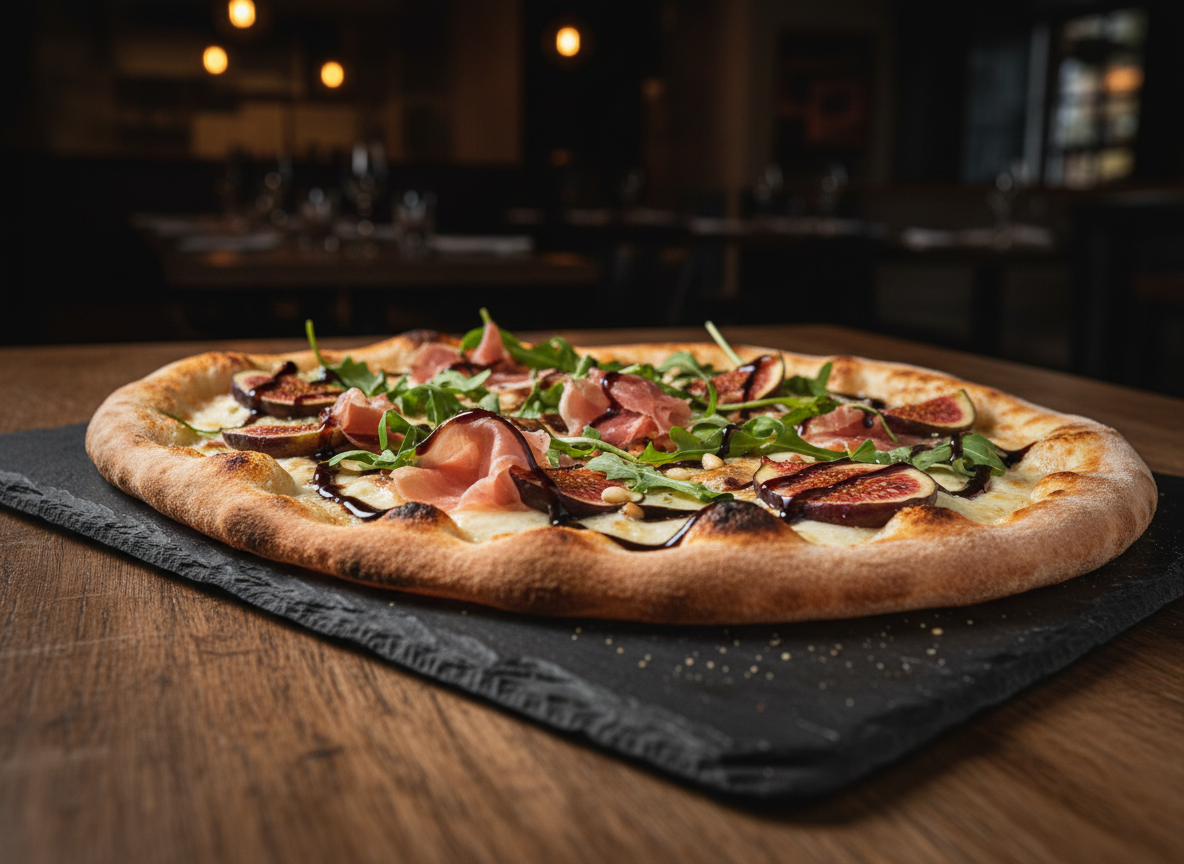
As pizza traveled across the Atlantic and beyond, it began to shed its strict Italian constraints, leading to the birth of the “Gourmet Pizza” movement. This era is defined by the rejection of the “standard” topping list. No longer were we limited to pepperoni, mushrooms, and bell peppers. Instead, chefs began treating the pizza crust as a blank canvas for fine-dining ingredients and global flavor profiles.
Modern gourmet creations often feature a balance of sweet, salty, and acidic elements. You might find a white base topped with thinly sliced Yukon Gold potatoes, rosemary, and fontina cheese, or a bold creation featuring spicy ‘nduja (spreadable pork salumi), hot honey, and creamy burrata added post-bake. Fusion pizza has also taken center stage, with toppings like Thai green curry, Japanese wagyu beef with eel sauce, or Mexican-inspired al pastor with pineapple salsa. This evolution reflects a broader culinary trend: the democratization of luxury. By placing high-end ingredients like shaved truffles or 24-month-aged prosciutto on a pizza, chefs make “fine dining” accessible and fun.

Conclusion: Why Pizza Remains the Ultimate Comfort Food
The evolution of pizza from a simple Neapolitan street food to a complex, gourmet masterpiece is a testament to its incredible versatility. It is one of the few dishes that can be equally at home in a cardboard box on a Friday night or on a white tablecloth in a Michelin-starred restaurant. This adaptability is exactly why pizza remains the ultimate comfort food. It bridges the gap between tradition and innovation, providing a sense of nostalgia while constantly offering something new to discover.
Whether you are a purist who insists on the simplicity of a Margherita or an adventurer seeking out the latest sourdough creation with exotic toppings, the magic of pizza lies in its ability to bring people together. It is a dish designed for sharing, sparking conversation and joy with every slice. As long as there is flour, water, and a hot oven, the story of pizza will continue to be written, evolving with our tastes while staying true to its humble, heart-warming roots.