Essential Herbs for the Perfect Pizza
When we think of the perfect pizza, our minds often drift toward the stretch of the cheese or the crunch of the crust. However, the true secret to a professional-grade pie lies in the aromatic profile provided by herbs. These botanical powerhouses do more than just add a pop of color; they bridge the gap between the acidity of the tomatoes and the richness of the fats. Understanding how to select, prepare, and apply herbs can transform a standard weeknight dinner into a gourmet experience.
Fresh vs. Dried: Choosing Your Greenery
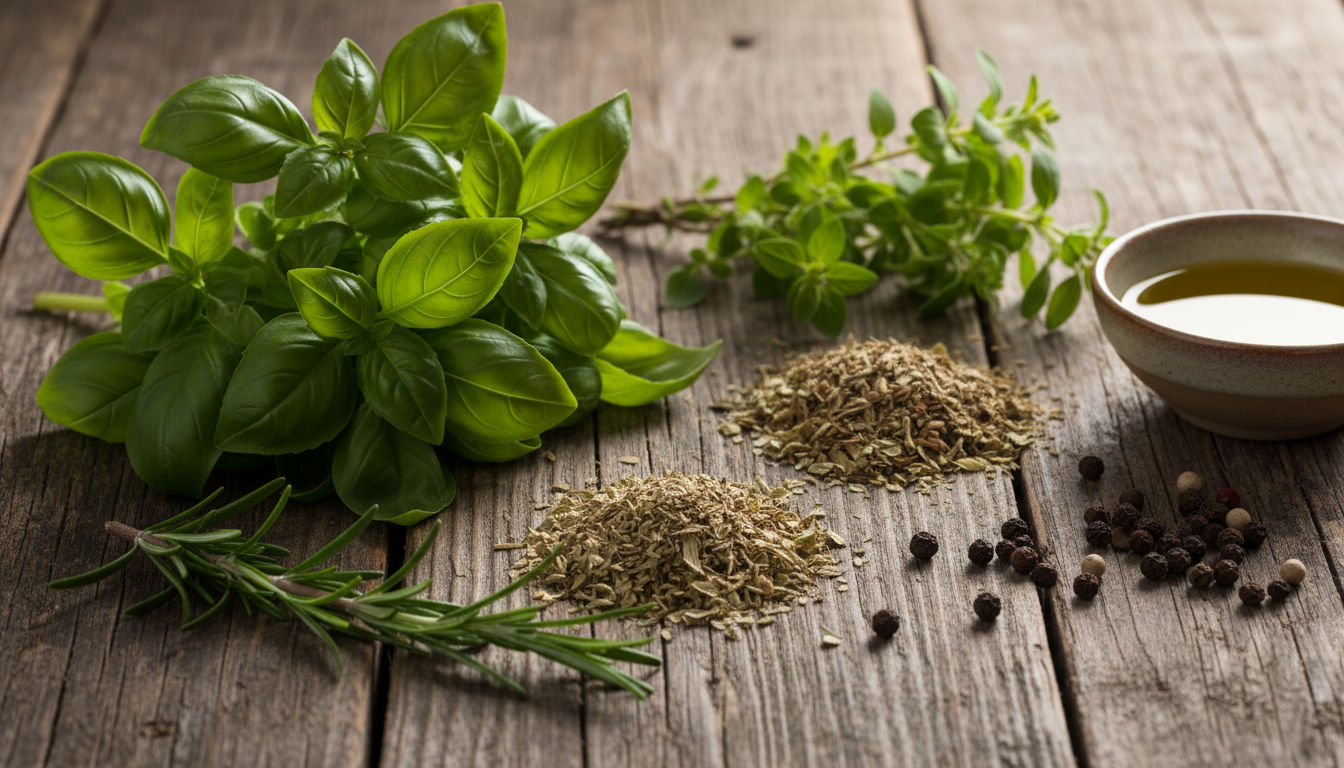
The debate between fresh and dried herbs is central to Italian cooking. As a general rule, dried herbs are more concentrated and heat-stable. They are ideal for infusing into liquids, making them the perfect choice for your base layer. If you are learning The Magic of Pizza Sauce: From Scratch to Sensation, you will find that dried oregano and thyme bloom beautifully when simmered, releasing deep, earthy undertones that fresh herbs simply cannot replicate over long cooking times.
Fresh herbs, on the other hand, are prized for their volatile oils and bright, punchy flavors. They are delicate and often lose their nuance when exposed to the intense 500°F+ heat of a pizza oven. Fresh herbs are best reserved for finishing a pizza, providing a burst of fragrance that hits the senses the moment the pie is sliced.
The Big Four: Herb Profiles
Basil: The Crown Jewel
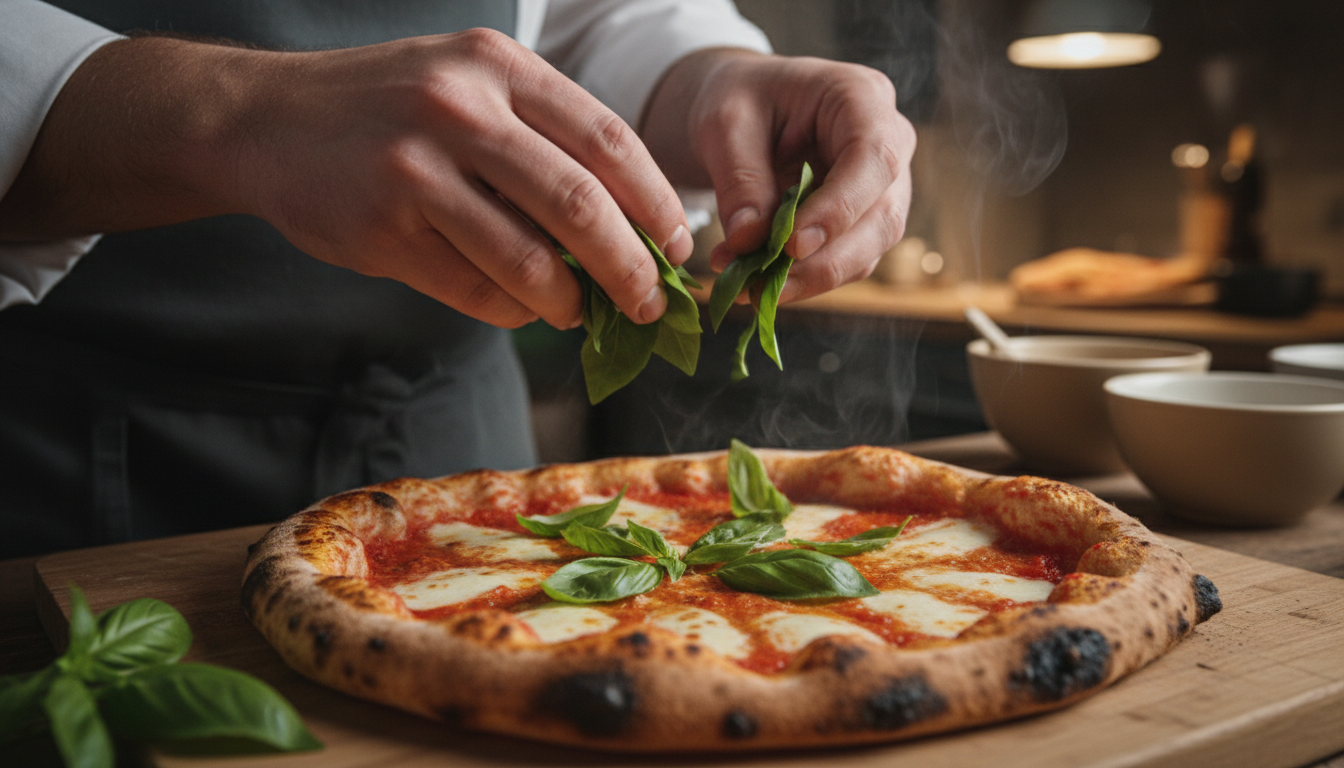
Basil is the undisputed king of pizza herbs. Its sweet, peppery, and slightly minty profile is the backbone of the classic Margherita. Because basil is highly sensitive to heat, it turns black and bitter if cooked too long. For the best results, tear the leaves by hand and scatter them over the pizza immediately after it exits the oven. The residual heat will wilt the leaves just enough to release their aroma without destroying their vibrant flavor.
Oregano: The Soul of the Pizzeria
If you’ve ever walked past a traditional pizzeria and caught that unmistakable “pizza smell,” you were likely smelling oregano. It is robust, slightly bitter, and incredibly earthy. Oregano is one of the few herbs that often tastes better dried than fresh on a pizza. It provides the savory depth required for The Art of Gourmet Cheese Pizza, cutting through the heavy creaminess of the cheese with its pungent kick.
Rosemary: The Woody Wonder
Rosemary is a powerful herb with a pine-like fragrance and woody notes. Because it is so potent, a little goes a long way. It pairs exceptionally well with white pizzas (pizza bianca), potato toppings, or caramelized onions. Unlike basil, rosemary is hardy and can be added before the pizza goes into the oven, allowing its oils to infuse into the crust and toppings during the bake.
Thyme: The Subtle Sophisticate
Thyme offers a subtle, dry aroma with hints of lemon and mint. It is a versatile herb that complements mushrooms, goat cheese, and roasted garlic. When exploring The Best Cheeses for Pizza: Beyond Mozzarella, consider using thyme to balance the funk of a Fontina or the sharpness of a Pecorino Romano. Its tiny leaves are best stripped from the woody stem and sprinkled sparingly over the sauce layer.
Timing is Everything: When to Add Your Herbs
The timing of your herb application determines the final flavor profile of your pizza. Dried herbs should be added early—either mixed into the sauce or sprinkled directly onto the dough before the cheese. This gives them time to rehydrate and “bloom” in the heat. Hardier fresh herbs like rosemary and sage can also be added before the bake, especially if they are tossed in a little olive oil first to prevent burning.
Delicate fresh herbs like basil, parsley, and chives should always be added post-bake. Adding them to a hot pizza right out of the oven allows the steam to carry the aromatics directly to your nose, creating an irresistible sensory experience before the first bite is even taken.
Conclusion: The Art of the Blend
Mastering pizza herbs is about balance and experimentation. While tradition gives us a roadmap, your kitchen is a laboratory. Try mixing dried oregano in your sauce with fresh basil on top, or experiment with a rosemary-infused olive oil drizzle. By understanding the unique profiles of these essential herbs, you can elevate your homemade pizza from a simple meal to a culinary masterpiece. Don’t be afraid to get creative—the perfect herb blend is the one that makes your taste buds sing.