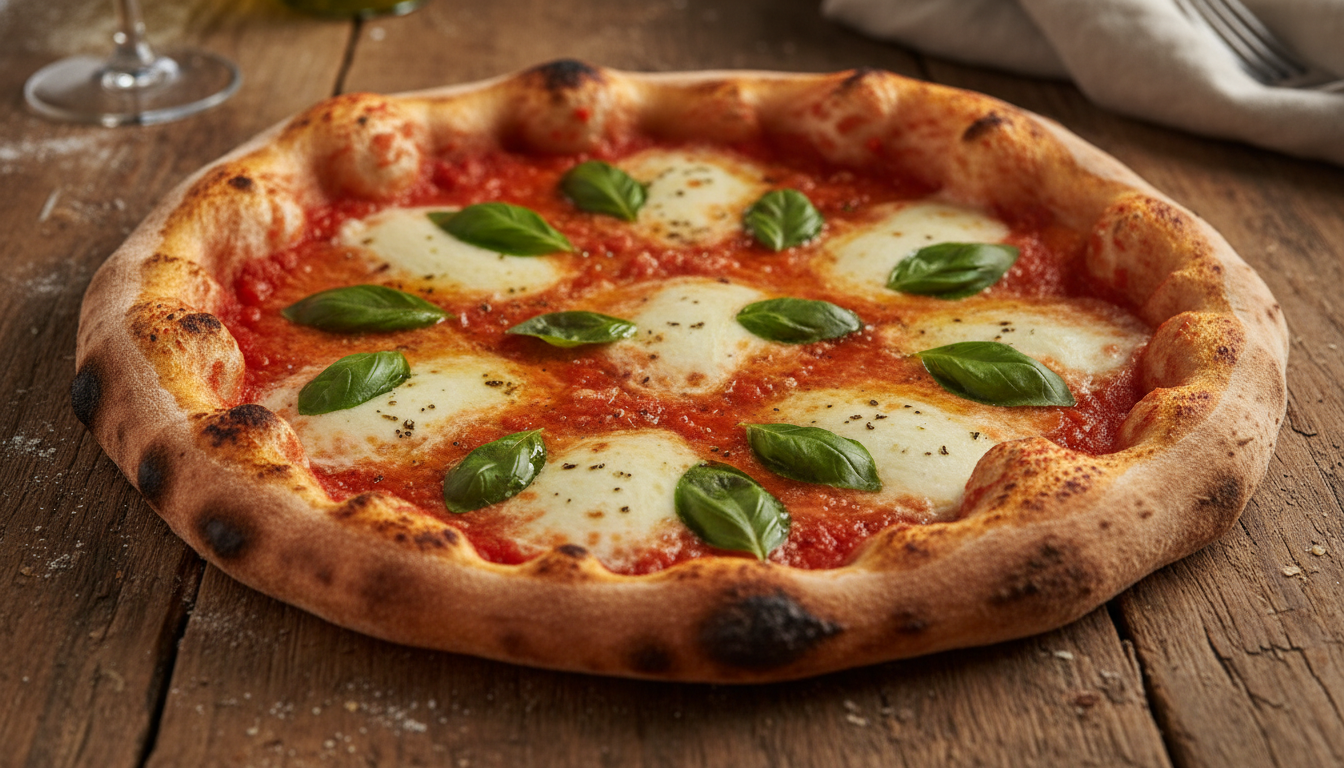
There is a certain magic that happens when flour, water, salt, and yeast come together. It is the foundation of every great pizza—the crust. While toppings often get the glory, any true pizzaiolo will tell you that the soul of the pizza lies in its base. Achieving that elusive combination of a crispy exterior and a soft, airy interior is both a science and an art.
The Foundation: Perfect Dough
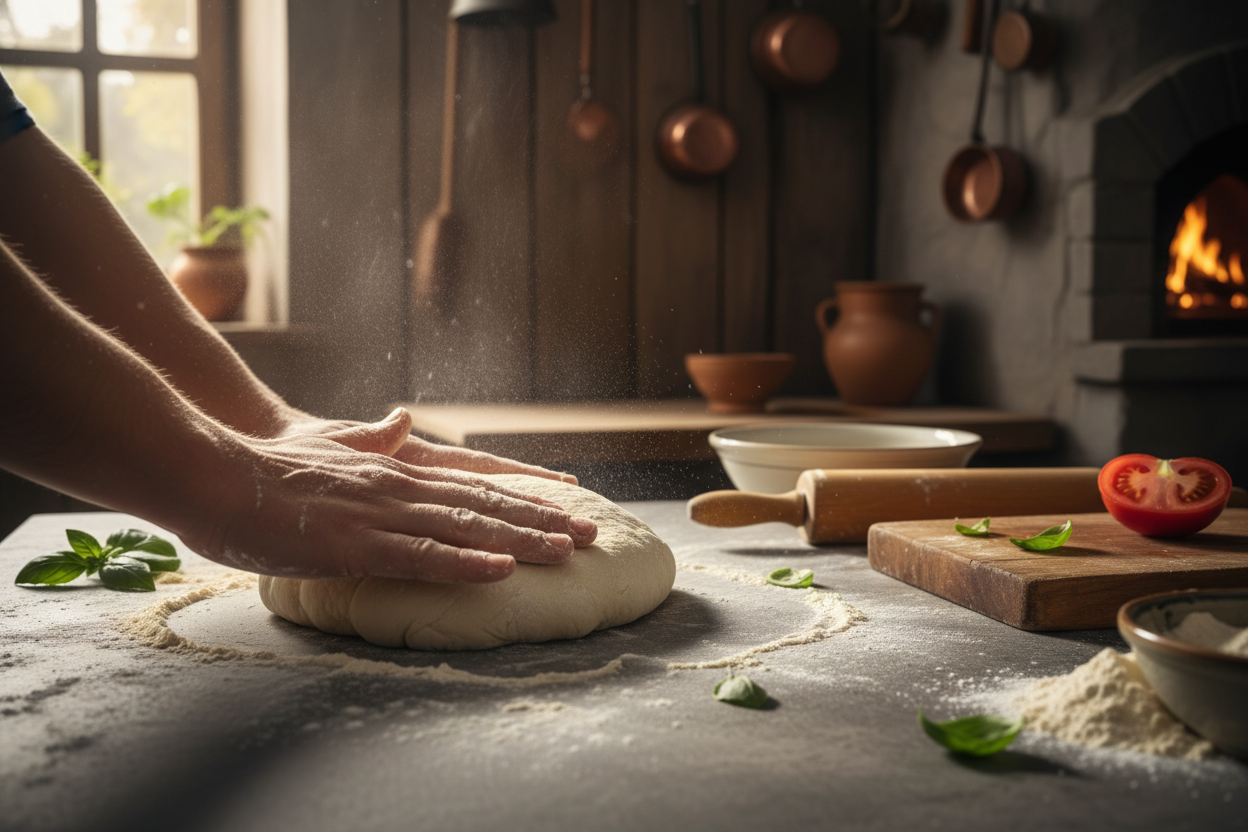
The journey to the perfect crust begins long before the oven is preheated. It starts with the kneading. This process develops the gluten structure, which gives the dough its elasticity and strength. Proper kneading ensures that the crust can hold the weight of the toppings while still being light enough to rise beautifully.
The Fire: Heat and Timing
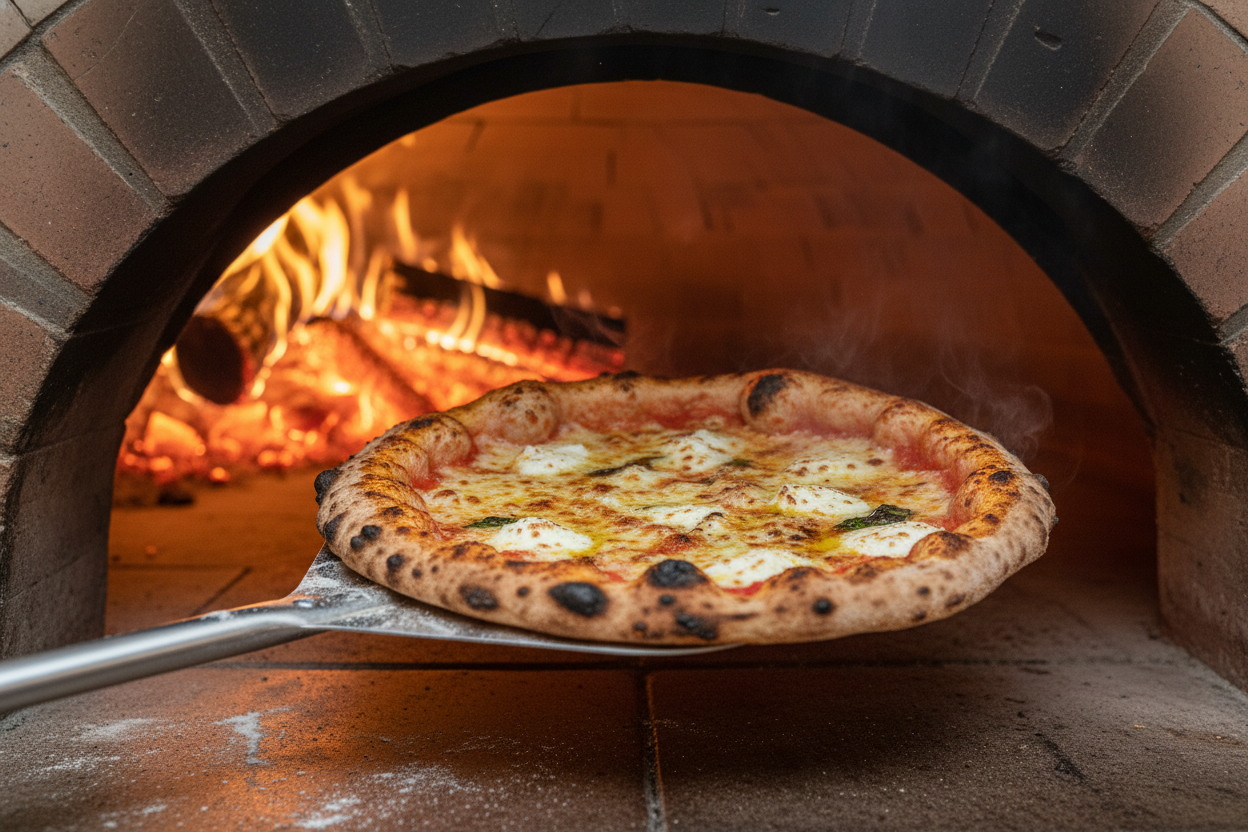
Once the dough has fermented and developed its flavor, it meets its ultimate test: the heat. In a traditional wood-fired oven, temperatures can reach over 800°F. This intense heat causes “oven spring,” where the air pockets in the dough expand rapidly, creating those beautiful, charred bubbles known as leopard spotting.
The Reward: Flavor and Texture
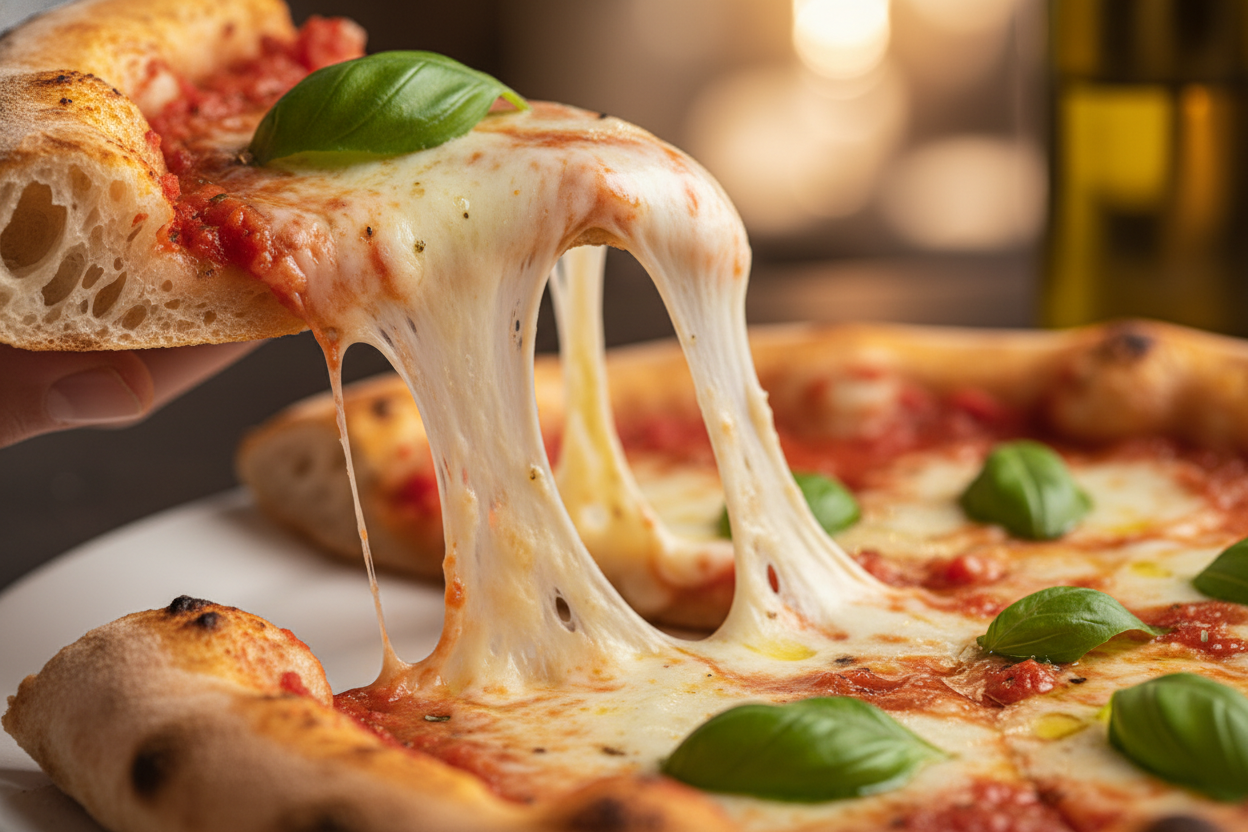
The result of careful preparation and high heat is a sensory masterpiece. When you lift a slice, the crust should have enough integrity to hold its shape but enough tenderness to melt in your mouth. The contrast between the salty, crispy rim and the soft, sauce-soaked center is what makes pizza the world’s most beloved food.
Whether you’re a home baker or a frequent visitor to your local pizzeria, understanding the art of the crust will change the way you experience every bite. So, the next time you enjoy a slice, take a moment to appreciate the craft that went into that golden, bubbly foundation.