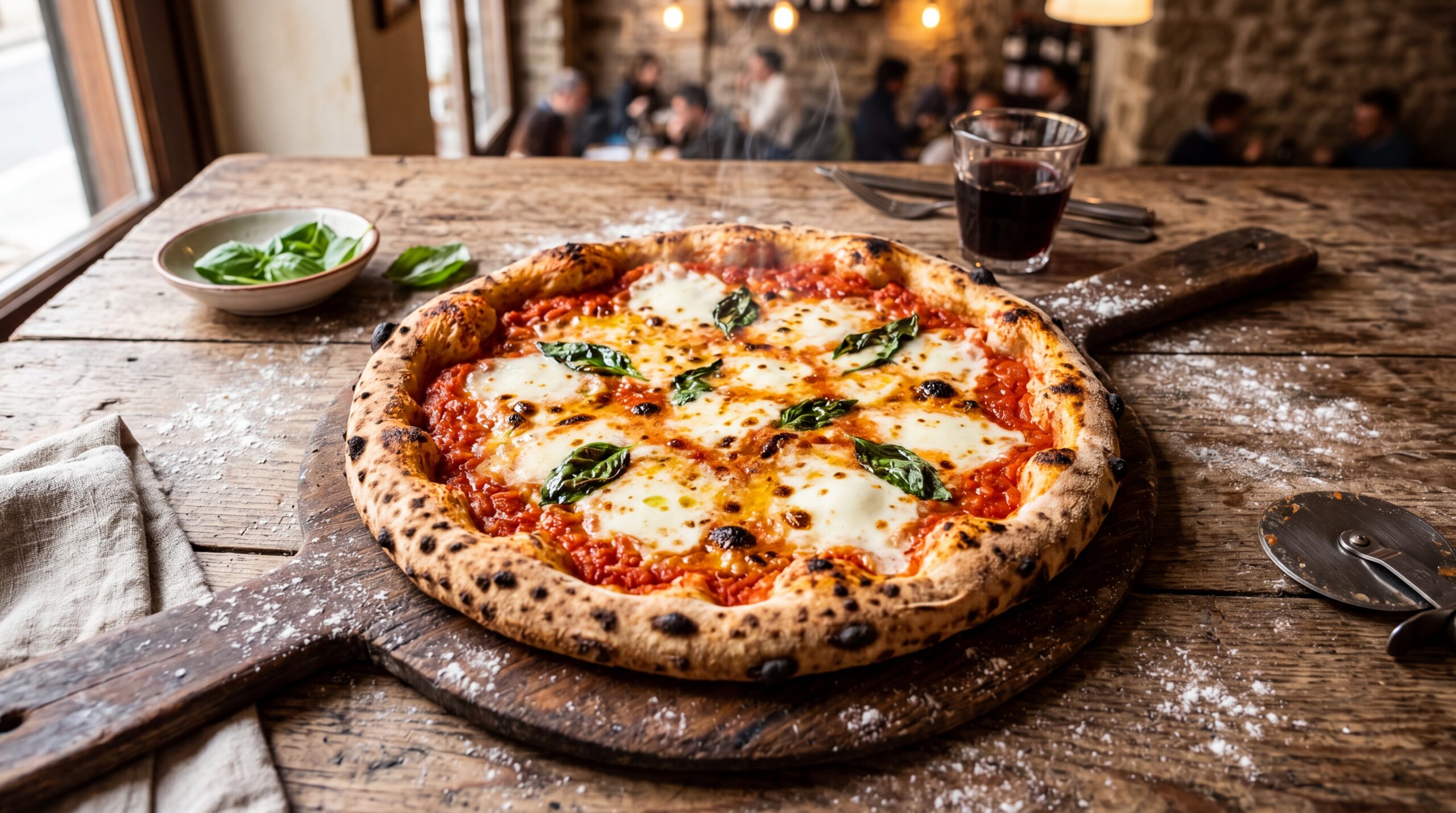
There’s a profound difference between good pizza and transcendent pizza—the kind that transports you straight to the sun-drenched piazzas of Naples with just one bite. Neapolitan pizza isn’t merely food; it’s a cultural heritage recognized by UNESCO, a craft refined over centuries, and an art form that demands respect, patience, and passion.
In this comprehensive guide, we’ll explore the authentic techniques, ingredients, and traditions that define true Neapolitan pizza. Whether you’re a home cook aspiring to recreate the magic of Italy’s finest pizzerias or simply passionate about understanding what makes this iconic dish so special, join us on this delicious journey.
The Foundation: Understanding True Neapolitan Dough
Neapolitan pizza dough is remarkably simple—just four ingredients: 00 flour (or high-protein bread flour), water, salt, and fresh yeast. Yet within this simplicity lies profound complexity. The secret isn’t in the ingredients themselves, but in the technique, timing, and love invested in the process.
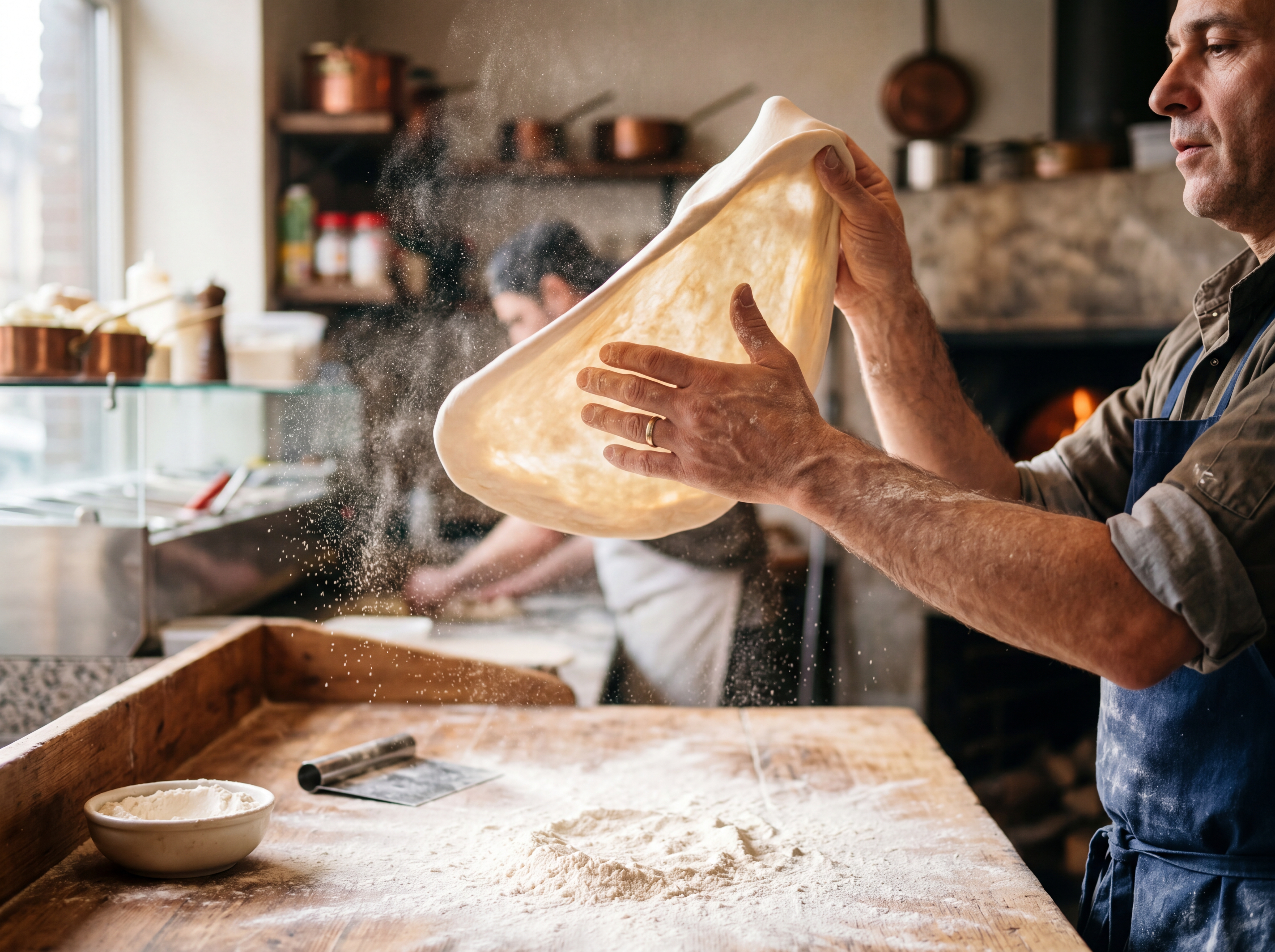
The hydration level—typically 60-65% for home ovens—creates a dough that’s workable yet produces that characteristic airy, open crumb structure. But the true magic happens during fermentation. A slow, cold fermentation in the refrigerator for 24 to 72 hours develops complex flavors, improves digestibility, and creates the beautiful irregular air pockets that define artisan pizza.
When shaping the dough, resist the temptation to use a rolling pin. Authentic Neapolitan pizza is stretched by hand, preserving those precious gas bubbles that create the light, airy cornicione (crust edge). Work from the center outward, leaving a thicker border that will puff beautifully in the oven.
Sanctity of Ingredients: Less Is More
Neapolitan pizza embraces the Italian culinary philosophy that exceptional ingredients, simply prepared, create extraordinary results. The classic Margherita—created in 1889 to honor Queen Margherita of Italy—features just three toppings representing the colors of the Italian flag: red tomatoes, white mozzarella, and green basil.
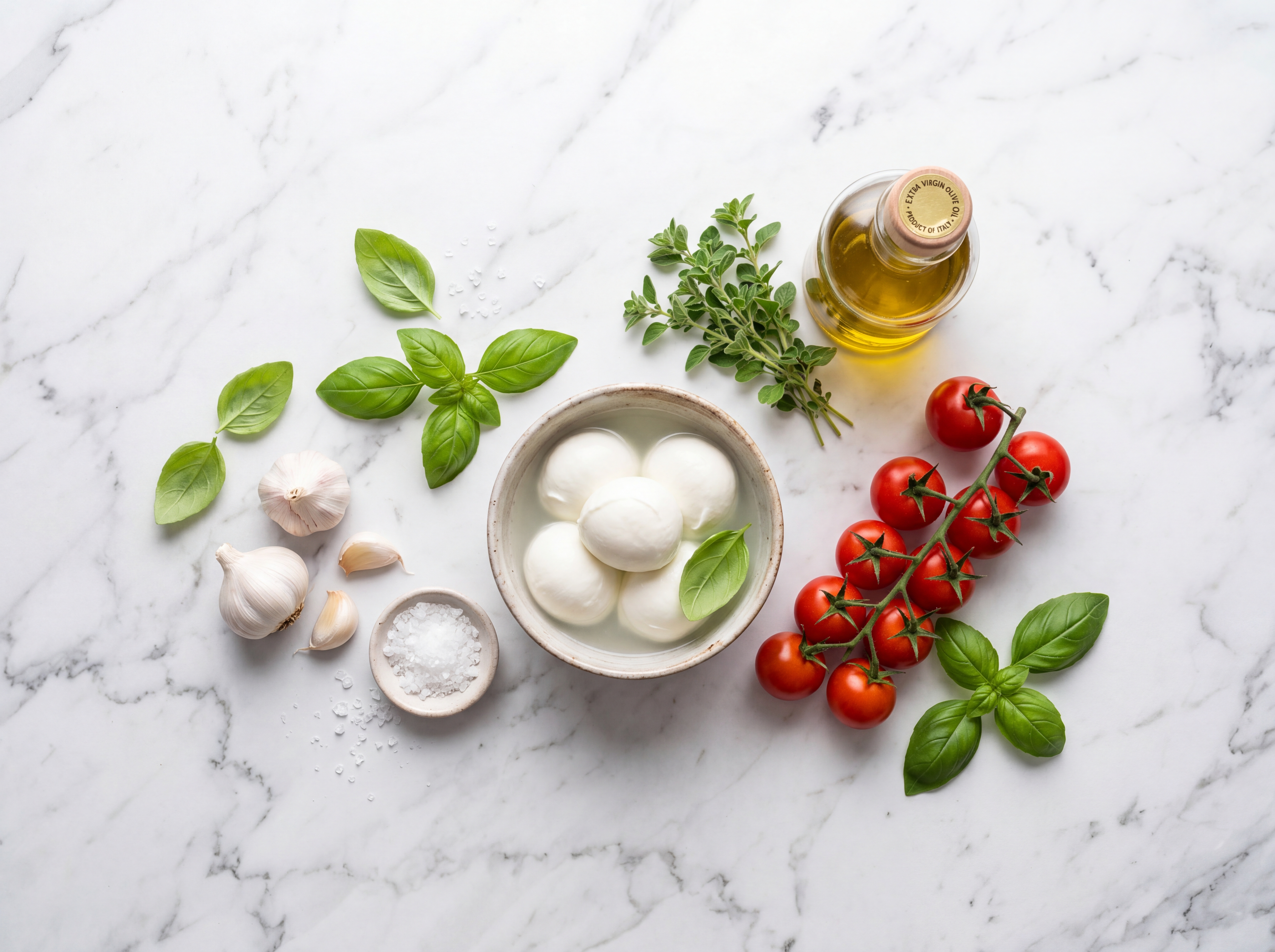
For the sauce, seek out San Marzano tomatoes—plum tomatoes grown in the volcanic soil near Mount Vesuvius. Their perfect balance of sweetness and acidity, combined with low moisture content and few seeds, makes them ideal for pizza. Simply crush them by hand with a pinch of sea salt—no cooking required. The heat of the oven will transform them into vibrant, flavorful sauce.
When it comes to cheese, fresh mozzarella reigns supreme. Mozzarella di bufala, made from water buffalo milk, offers an unparalleled creamy richness, while fior di latte (cow’s milk mozzarella) provides a slightly firmer, more subtle flavor. Tear the cheese into irregular pieces rather than grating—this creates those iconic pools of melted goodness rather than an even blanket that can overwhelm the other flavors.
The Fire Within: Mastering Your Oven
True Neapolitan pizza bakes at blistering temperatures—905°F (485°C)—for just 60 to 90 seconds. This intense heat creates the signature characteristics: a soft, elastic center surrounded by a puffy, leopard-spotted crust with the perfect balance of crispy and chewy textures.
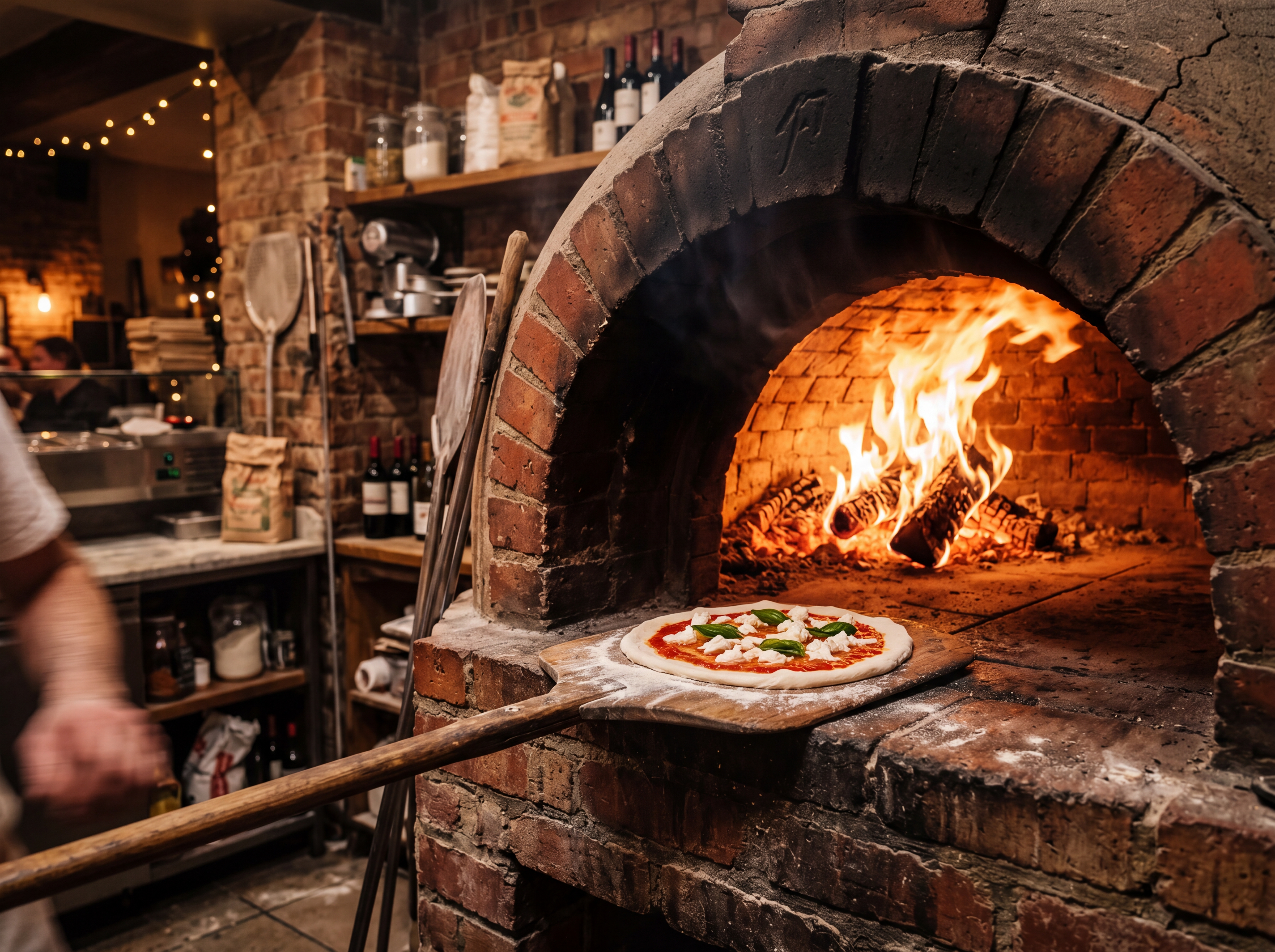
While most home ovens max out at 500-550°F, you can still achieve excellent results with the right techniques. A pizza stone or steel preheated for at least 45 minutes stores thermal mass that mimics professional oven conditions. Position it on the top rack to ensure toppings cook at the same rate as the bottom crust.
For the ultimate home setup, consider investing in an outdoor pizza oven. Modern gas and wood-fired options can reach authentic temperatures, bringing you closer to the true Neapolitan experience. The wood-fired route adds subtle smoky notes that enhance the rustic charm of your pizza.
The Perfect Assembly
Assembly seems simple, but technique matters. Start with a light hand—Neapolitan pizza should never be overloaded. Spread a thin layer of crushed tomatoes, leaving a clean border for the crust. Distribute torn mozzarella pieces evenly, add a few fresh basil leaves (they’ll bloom in the oven’s heat), and finish with a drizzle of extra virgin olive oil.
Launch your pizza onto the preheated stone using a well-floured peel. A quick, confident motion prevents sticking and ensures even placement. Watch through the oven window as the magic happens—the cheese bubbling, the crust puffing, the basil releasing its aromatic oils.
Beyond Margherita: Exploring Variations
While the Margherita remains the gold standard, Neapolitan pizza offers beautiful variations. The Marinara—surprisingly older than its cheesy cousin—features tomatoes, garlic, oregano, and olive oil, proving that cheese isn’t mandatory for magnificence. The Quattro Formaggi celebrates cheese in all its glory, while the Capricciosa adds artichokes, ham, and olives to the Margherita base.
Each variation must respect the fundamental principles: quality ingredients, balanced proportions, and the understanding that pizza is a canvas, not a dumping ground for toppings. Even a Diavola with spicy salami should feel harmonious, each element contributing to a greater whole.
The Final Touch: Serving and Savoring
Pull your pizza from the oven when the crust shows leopard-like charring and the cheese bubbles with golden spots. Let it rest for just a moment—this allows the cheese to set slightly and prevents burning your eager mouth. A final drizzle of olive oil, a sprinkle of flaky sea salt, or even fresh basil leaves added after baking can elevate the experience.
Cut into slices—but in Naples, you’d fold each slice (called a “libretto” or little book) and eat it with your hands, not a knife and fork. The joy of Neapolitan pizza lies in its messiness, its immediacy, its unpretentious celebration of simple pleasures.
Share with friends and family, accompanied by a chilled glass of Italian wine or sparkling water. The best pizza isn’t just about the food—it’s about the experience, the conversation, the connection forged over something made with care and enjoyed together.
Conclusion: Your Pizza Journey Begins
Mastering Neapolitan pizza is a lifelong journey, not a destination. Each batch of dough teaches you something new. Every pizza from your oven brings you closer to understanding this beautiful craft. Embrace the failures—they’re just stepping stones to your next success.
Remember that even in Naples, where pizza was born, every pizzaiolo has their own technique, their own subtle variations. What matters is the passion, the respect for ingredients, and the joy of sharing something you’ve created with your own hands.
So preheat your oven, flour your work surface, and begin your adventure. The perfect Neapolitan pizza is waiting for you to create it. Buon appetito!