There’s something almost magical about making pizza from scratch at home. The smell of fresh dough, the sizzle of toppings in a hot oven, the moment that first perfect slice is lifted — these experiences transform a simple meal into a ritual. Whether you’re a complete beginner or a seasoned home cook looking to refine your craft, this guide will walk you through everything you need to know to bake the perfect homemade pizza.
Why Homemade Pizza Is Worth Every Minute
Store-bought pizza has its place, but nothing competes with a pie you’ve made yourself. When you control every ingredient — the flour, the sauce, the cheese, the toppings — you unlock an entirely new level of flavor. Beyond taste, making pizza at home is surprisingly economical, endlessly customizable, and genuinely fun. It’s one of those rare cooking projects that rewards both effort and creativity in equal measure.
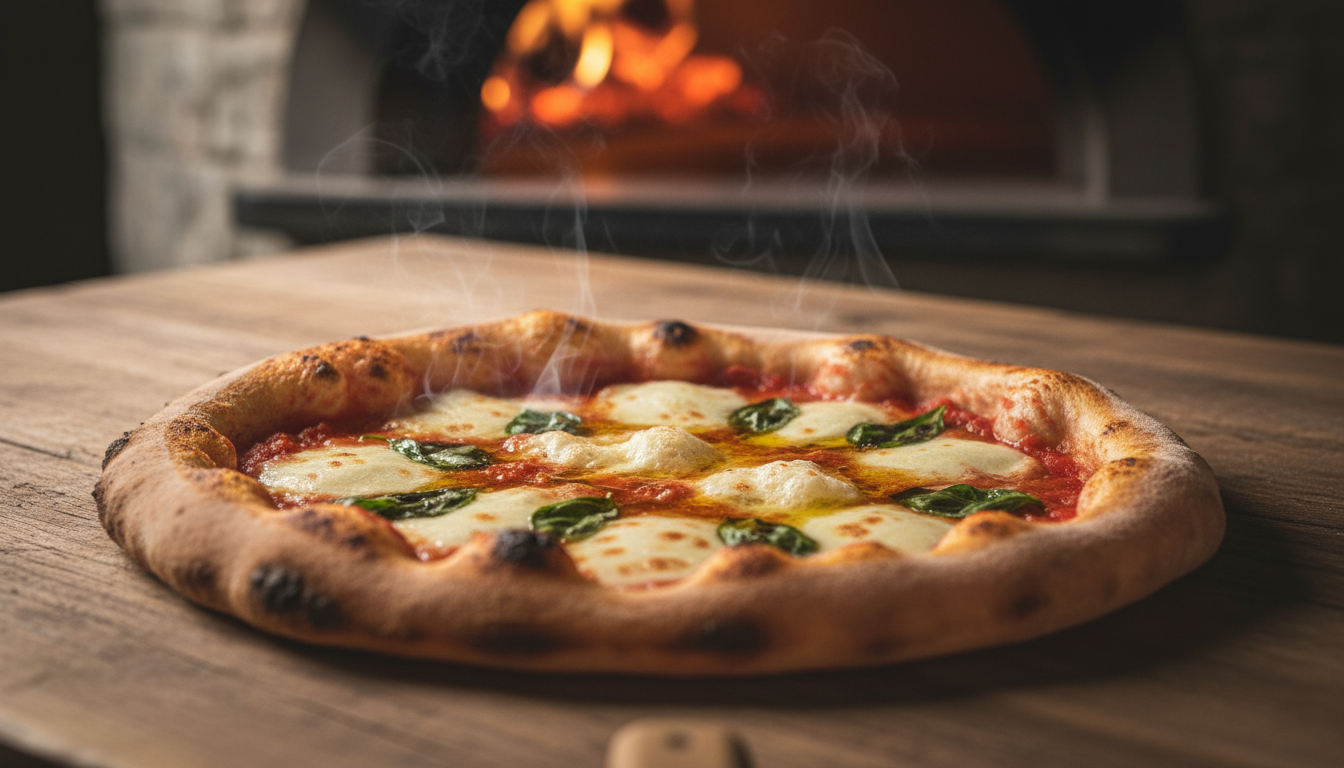
Step 1: Mastering the Dough
The dough is the soul of your pizza. A great crust is chewy on the inside, crispy on the outside, and full of flavor. The secret? Time and simplicity. A classic Neapolitan dough uses only four ingredients: flour, water, salt, and yeast. Here’s a foolproof recipe:
- 500g (4 cups) 00 flour — or all-purpose flour if unavailable
- 325ml (1⅓ cups) warm water — around 38°C / 100°F
- 10g (2 tsp) fine sea salt
- 3g (1 tsp) active dry yeast — or 1g instant yeast
Combine the yeast with warm water and let it activate for 5 minutes until foamy. Mix in the flour and salt, then knead for 8–10 minutes until the dough is smooth and slightly tacky. Cover and let it rise at room temperature for 2 hours, then refrigerate for at least 24 hours — this cold fermentation develops incredible depth of flavor. The longer you wait, the better the result. Three days is the sweet spot for most home bakers.
Step 2: Building Your Sauce
A great pizza sauce doesn’t need cooking. The best Neapolitan pizzerias use raw, crushed San Marzano tomatoes seasoned with nothing more than salt and a few torn basil leaves. The heat of the oven does all the work. Simply crush whole canned tomatoes by hand into a bowl, season generously with salt, and add a drizzle of extra virgin olive oil. That’s it. Resist the urge to add garlic, herbs, or sugar — let the tomatoes speak for themselves.
For a more robust sauce, you can gently simmer crushed tomatoes with two cloves of garlic for 20 minutes, then remove the garlic before use. Add a pinch of dried oregano and a splash of olive oil and you have a richly flavored base that works beautifully on thicker-crust pies.
Step 3: Choosing and Arranging Your Toppings
This is where your pizza becomes uniquely yours. The golden rule of toppings: less is more. Overloading a pizza prevents the crust from cooking properly and turns your masterpiece into a soggy mess. Aim for 3–5 toppings maximum, and always add the most delicate items (like fresh basil or prosciutto) after baking.
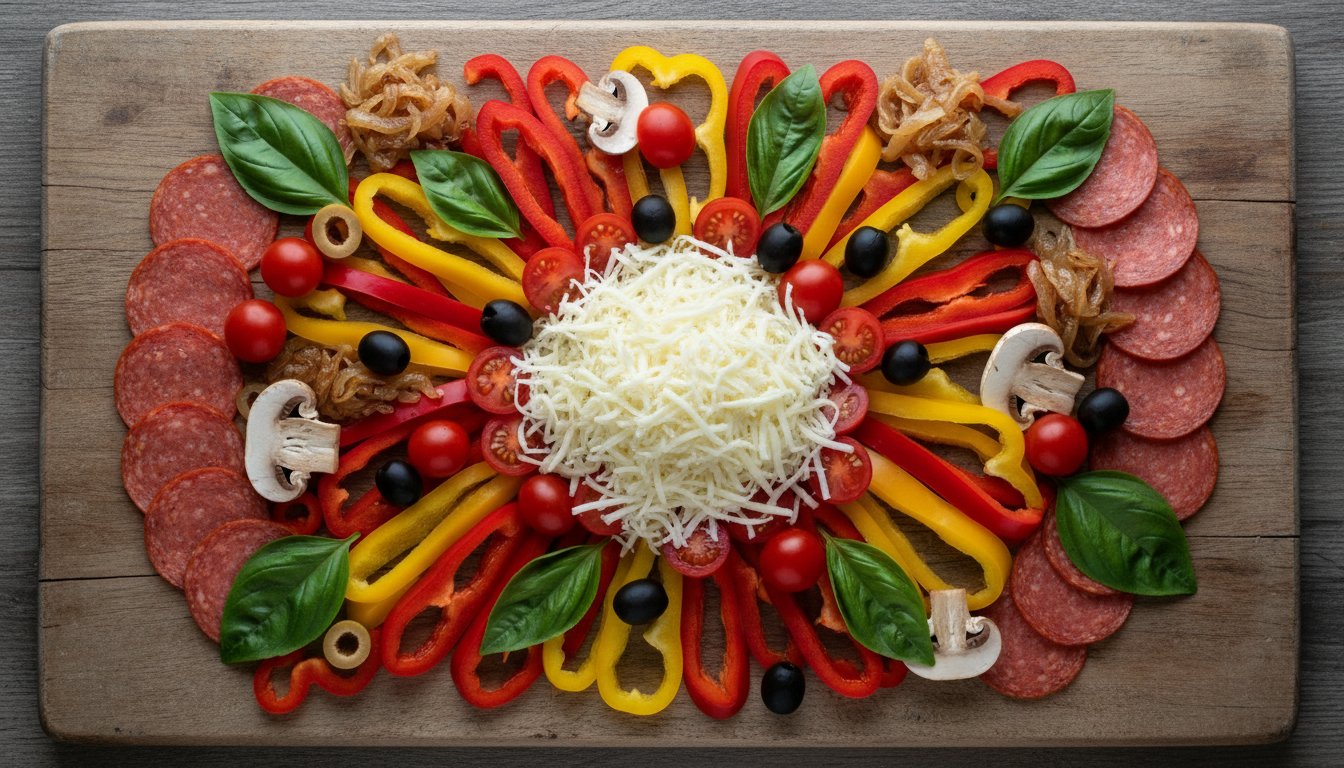
Some winning topping combinations to inspire you:
- Margherita: Tomato sauce, fresh mozzarella, basil, olive oil
- Diavola: Tomato sauce, mozzarella, spicy salami, chilli flakes
- Funghi: Tomato sauce, mozzarella, mushrooms, garlic, thyme
- Bianca: Ricotta, mozzarella, garlic, rosemary, no tomato sauce
- Vegetariana: Tomato sauce, mozzarella, peppers, olives, red onion, courgette
Step 4: The Bake — Getting Your Oven Right
A wood-fired pizza oven reaches 450–500°C (850–930°F) and bakes a pizza in 60–90 seconds. Your home oven tops out around 250–280°C (480–540°F), so you need to compensate with smart technique. Here’s how:
- Preheat a pizza stone or steel in the oven for at least 45–60 minutes before baking. This is non-negotiable.
- Use the highest rack position and the grill/broiler setting for the last 2 minutes to blister the top.
- Launch the pizza quickly using a well-floured peel or the back of a flat baking tray.
- Bake for 6–10 minutes until the crust is golden, the cheese is bubbling and browning in spots, and the base sounds hollow when tapped.
The Glorious Finish: Cheese Pull Perfection
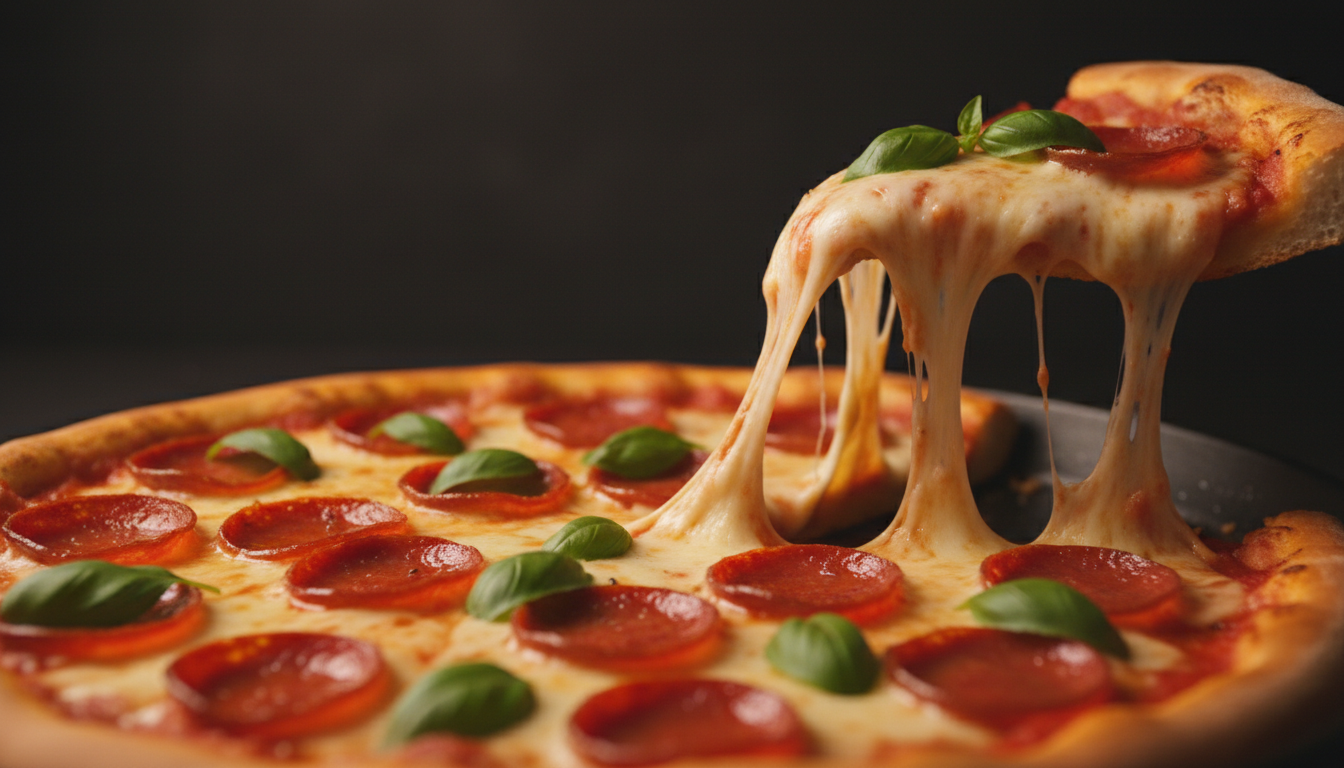
There’s a moment every pizza maker lives for: that first slice being lifted, trailing a glorious ribbon of molten mozzarella. Getting this right is about cheese choice. Fresh fior di latte mozzarella or buffalo mozzarella, torn rather than sliced and allowed to drain on a paper towel for 30 minutes, delivers the most spectacular pull. Low-moisture mozzarella gives a longer, more dramatic stretch. Many pizzerias blend both for the best of both worlds.
Final Tips for Pizza Perfection
After years of trial and error, these are the lessons that make the biggest difference:
- Cold dough tears — always bring it to room temperature for at least 1 hour before shaping.
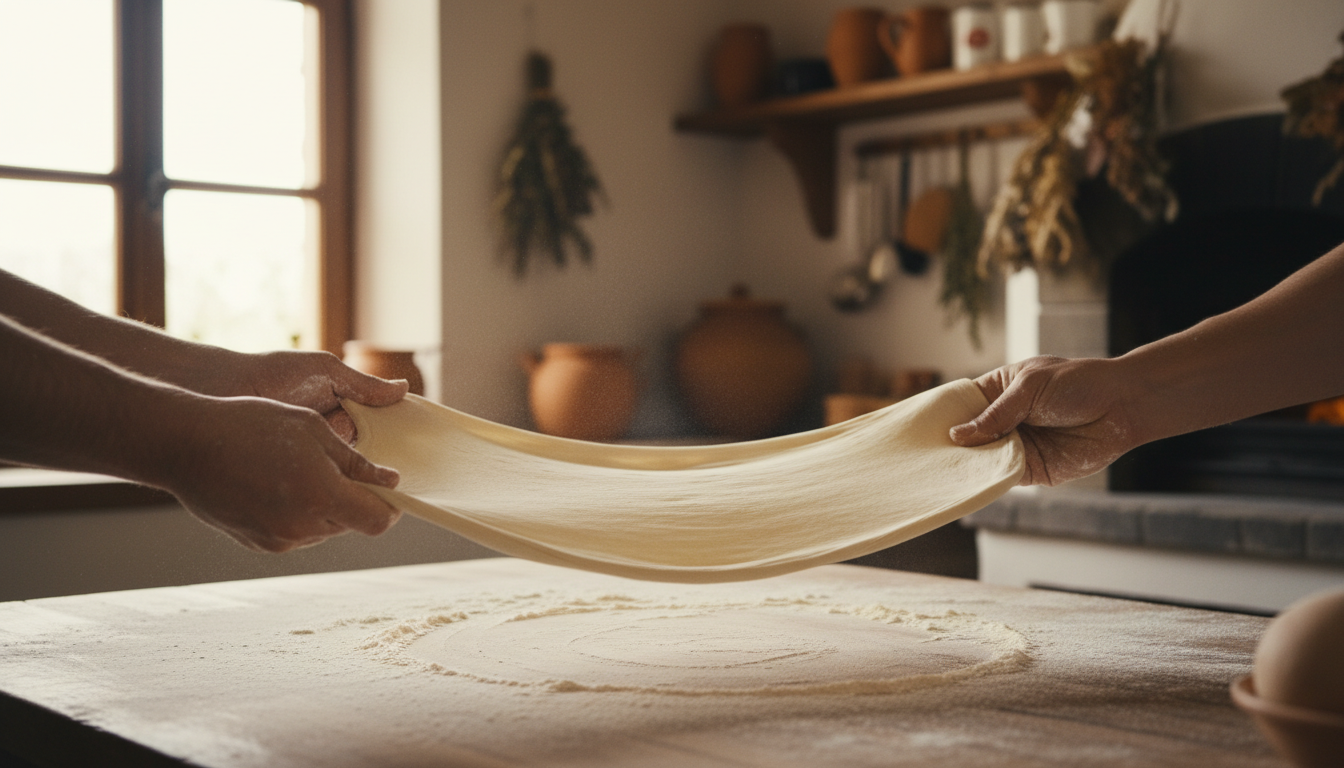
- Never use a rolling pin. Stretch the dough by hand to preserve the air bubbles in the crust.
- Go easy on the sauce. A thin, even layer is all you need — about 3–4 tablespoons per pizza.
- Invest in a pizza stone or steel. It’s the single biggest upgrade you can make for home baking.
- Season every layer. A pinch of salt on the sauce, a grind of pepper over the cheese, a flake of sea salt on the finished pizza — it all adds up.
Pizza is one of the most forgiving and rewarding dishes in any cook’s repertoire. Don’t be afraid to experiment — with different flours, longer ferments, bolder toppings, or alternative cheeses. Each pizza is a small masterpiece, and with practice, yours will rival anything you’ve ever ordered for delivery.
Happy baking — and don’t forget to share your creations! Drop your pizza photos and questions in the comments below.