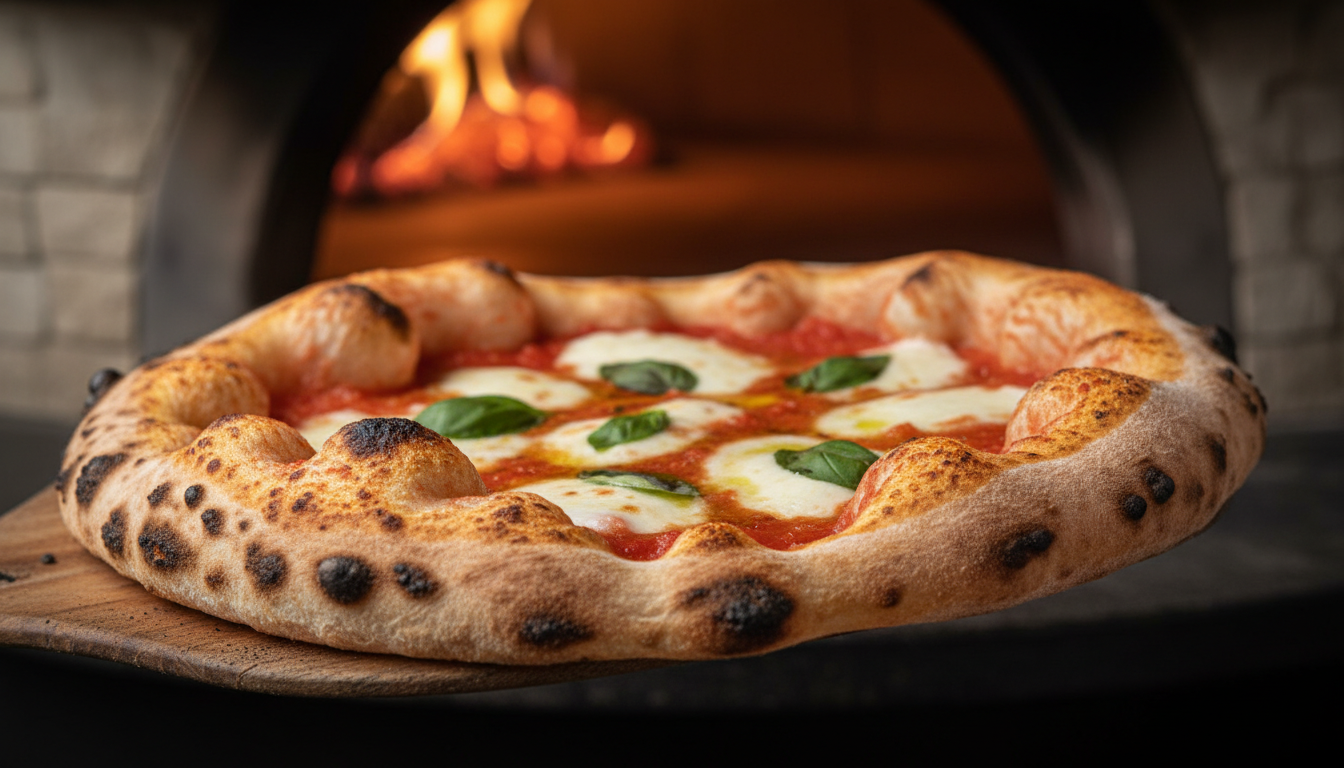
Achieving the perfect pizza crust is often seen as a dark art, but at its heart, it is a beautiful intersection of chemistry, physics, and patience. Whether you are aiming for the airy, charred “cornicione” of a Neapolitan pie or the sturdy, crispy crunch of a New York slice, the journey begins with understanding your ingredients.
The Foundation: Flour and Protein
Not all flours are created equal. The protein content in your flour determines the strength of the gluten network, which is what traps the carbon dioxide produced by yeast, allowing the dough to rise.
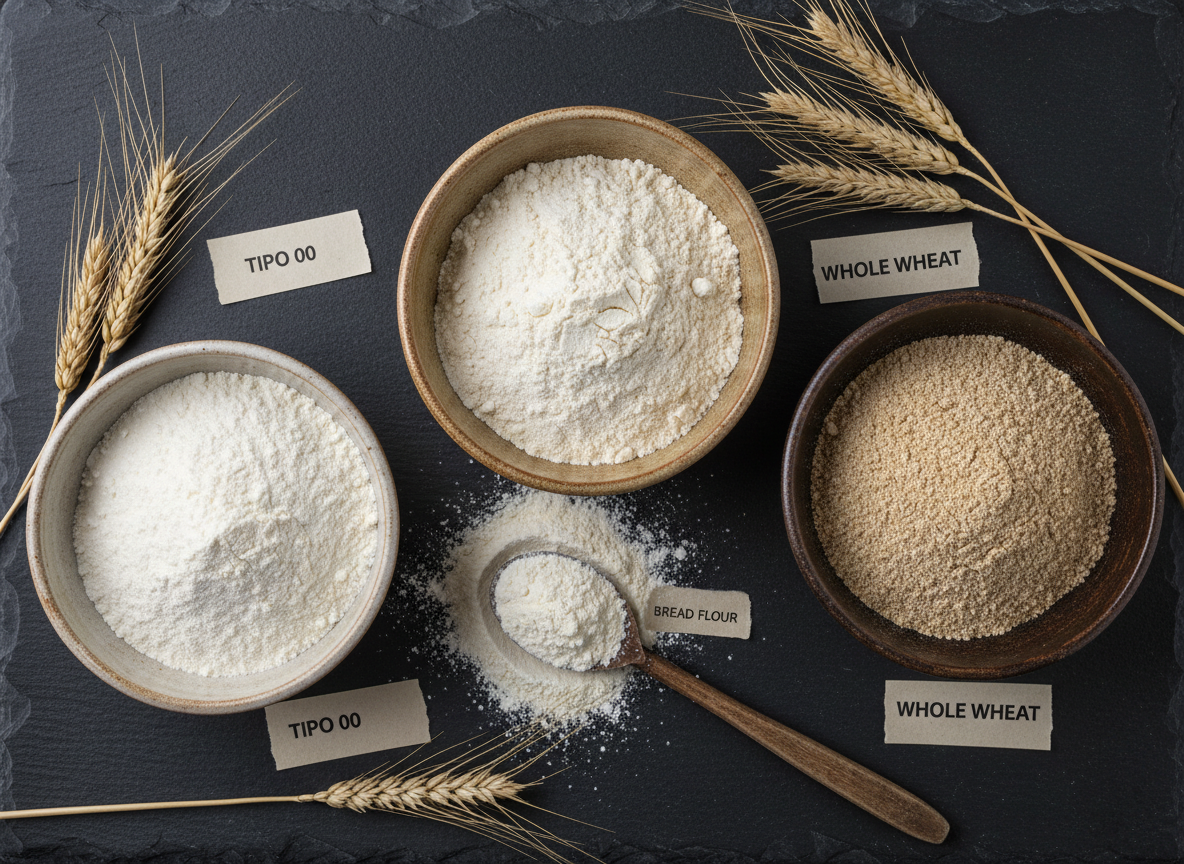
For a traditional Neapolitan pizza, Tipo 00 flour is the gold standard. It is finely milled and has a moderate protein content (usually 11-12%), resulting in a soft, supple dough. If you prefer a crispier, chewier crust, a high-protein bread flour might be your best friend.
The Magic of Hydration
Hydration refers to the weight of water relative to the weight of flour. A 60% hydration dough (600g water to 1000g flour) is easy to handle and produces a tight crumb. However, high-hydration doughs (70% or more) are the secret to those massive, airy bubbles in the crust.
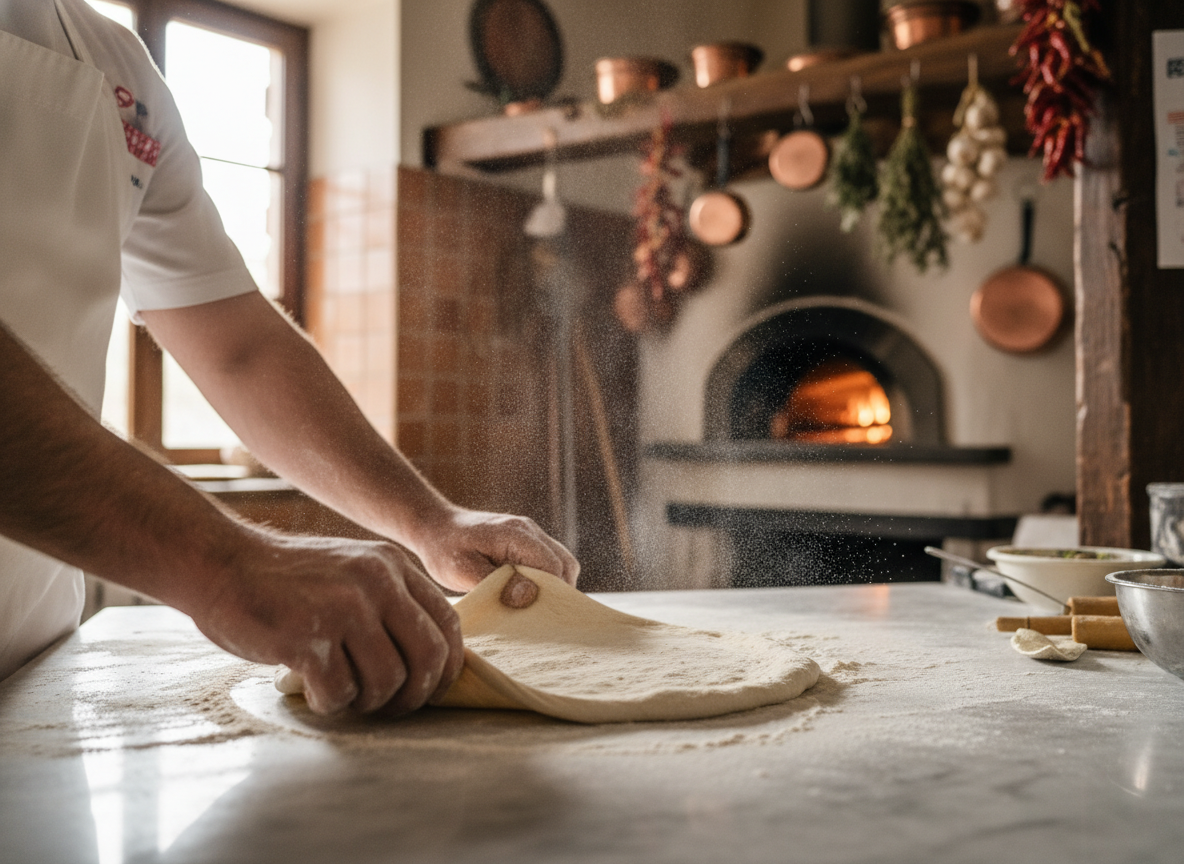
Handling wet dough requires a light touch and plenty of practice. Instead of rolling it out, which destroys the air pockets, master the art of hand-stretching to preserve the internal structure.
Fermentation: The Flavor Engine
Time is an ingredient. Cold fermentation—letting your dough rest in the refrigerator for 24 to 72 hours—allows enzymes to break down starches into simple sugars. This not only improves digestibility but also creates the complex, slightly tangy flavor profiles that define great pizza.
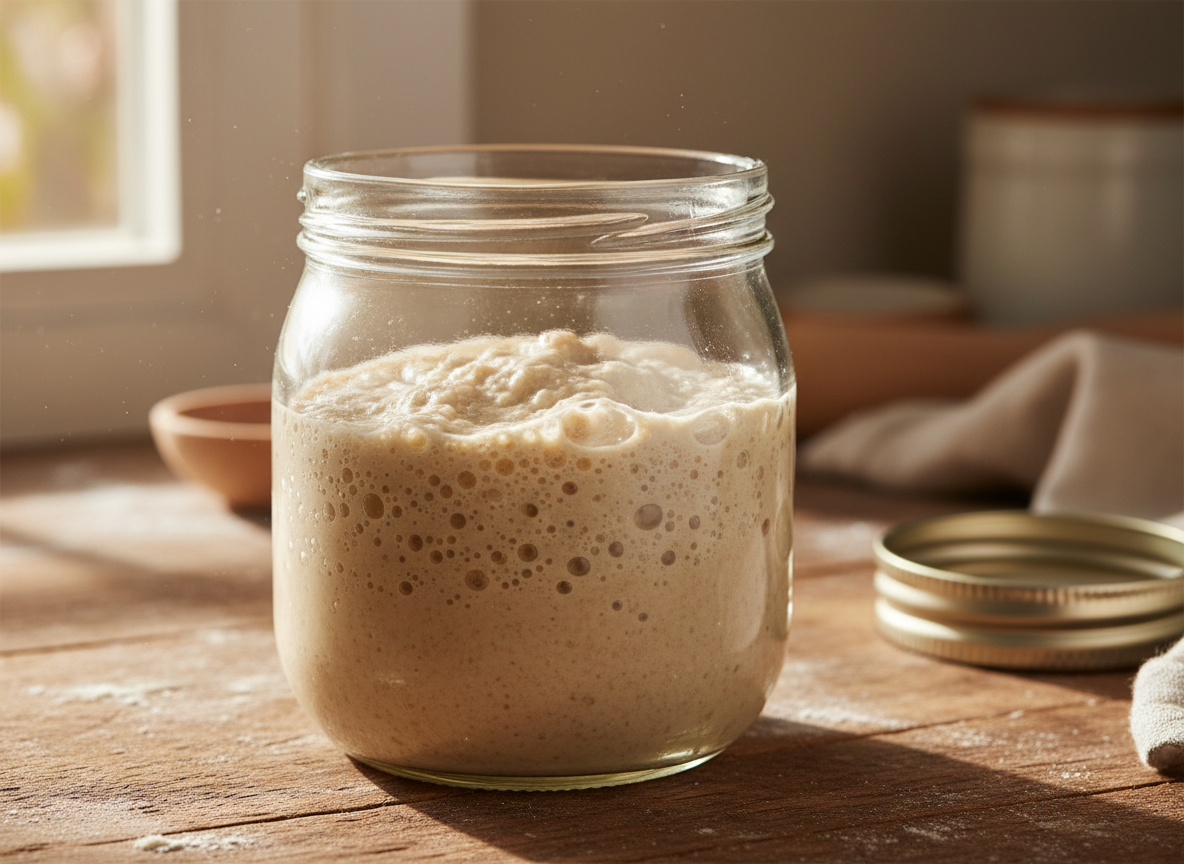
Whether you use commercial yeast or a natural sourdough levain, the key is to avoid over-proofing. You want the dough to have enough energy left to “spring” when it hits the intense heat of the oven.
Conclusion
Mastering the pizza crust is a lifelong pursuit. By experimenting with flour types, hydration levels, and fermentation times, you can develop a signature crust that is uniquely yours. Remember: the best pizza is the one you share with friends and family.