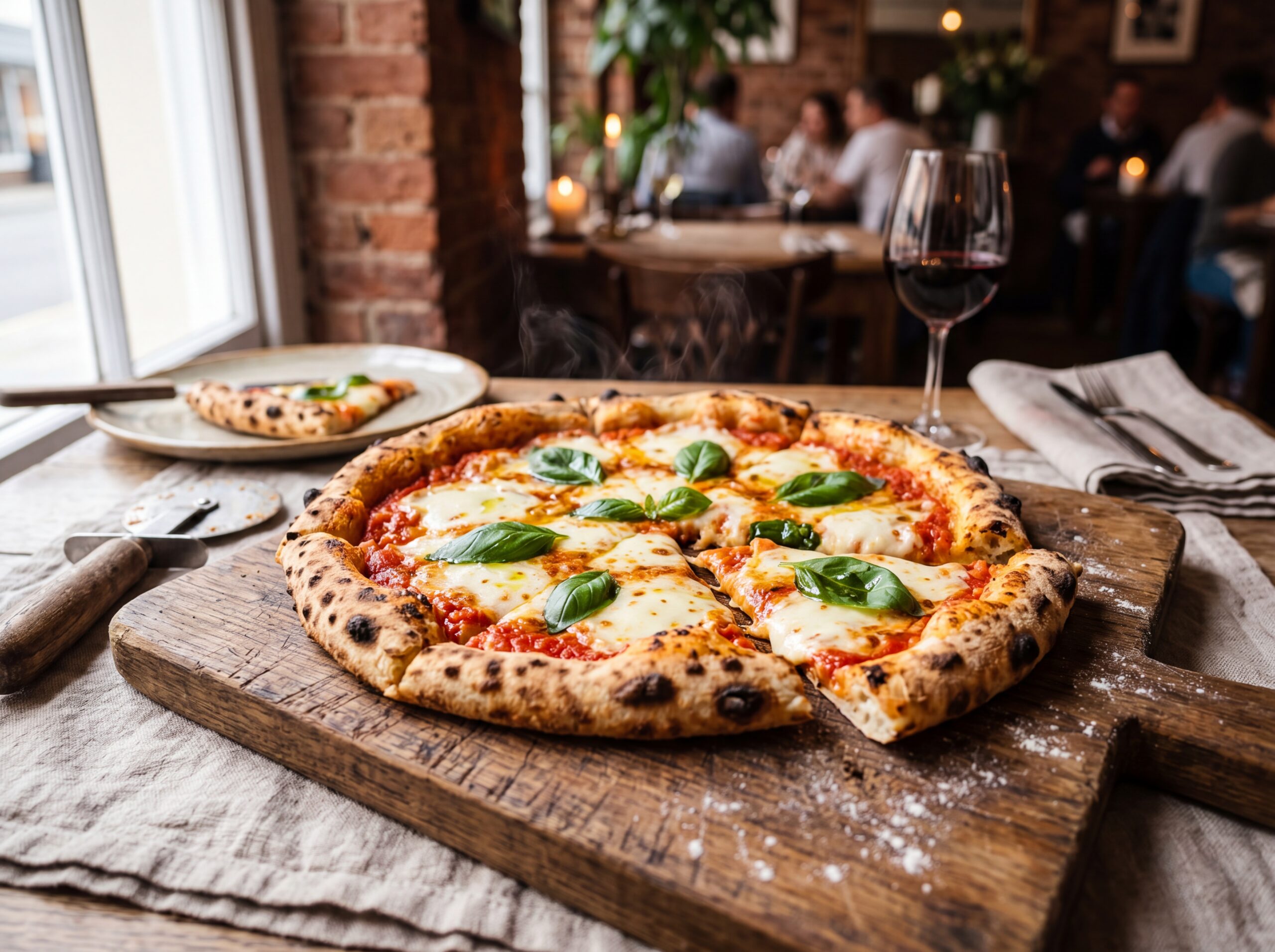
Pizza is more than just food—it’s a cultural phenomenon that has captured hearts and taste buds around the globe. From the narrow streets of Naples to the bustling pizzerias of New York City, this beloved dish has evolved into countless regional styles, each with its own unique character and devoted following.
The Foundation: Perfect Pizza Dough
Every great pizza starts with the dough. The art of pizza making begins with high-quality flour, water, salt, and yeast. Master pizzaiolos spend years perfecting their dough technique—knowing exactly how long to knead, how long to proof, and how to stretch the dough without tearing it.
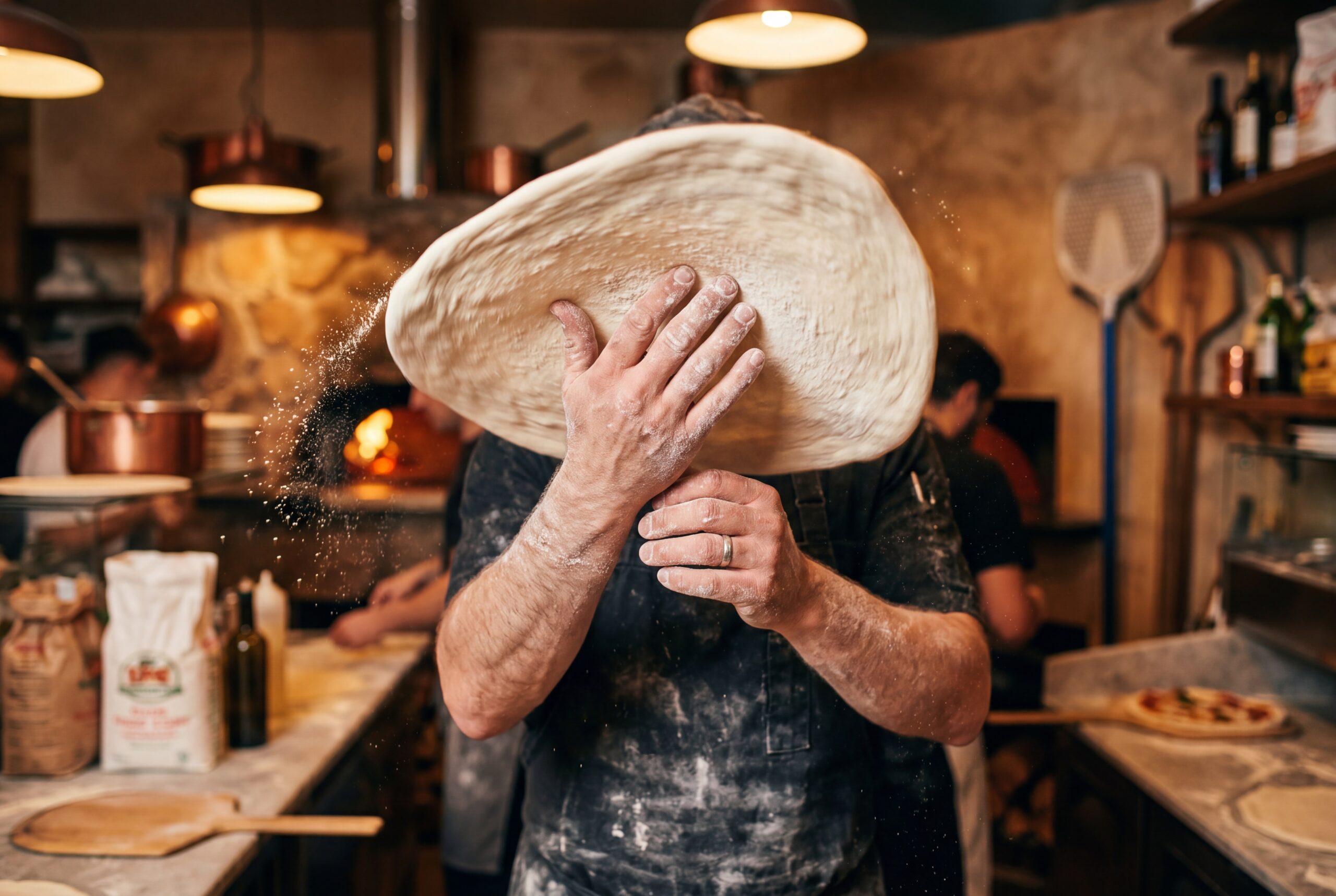
The traditional Neapolitan method calls for a 72-hour cold fermentation, which develops complex flavors and creates that characteristic light, airy crust with a perfect leopard-spotted char. Modern pizzerias have embraced this slow-rise technique, elevating pizza from fast food to artisanal cuisine.
Choosing Your Toppings Wisely
While the classic Margherita—tomato, mozzarella, and basil—remains the gold standard, the world of pizza toppings is wonderfully diverse. The key is balance: each ingredient should complement rather than overwhelm the others.
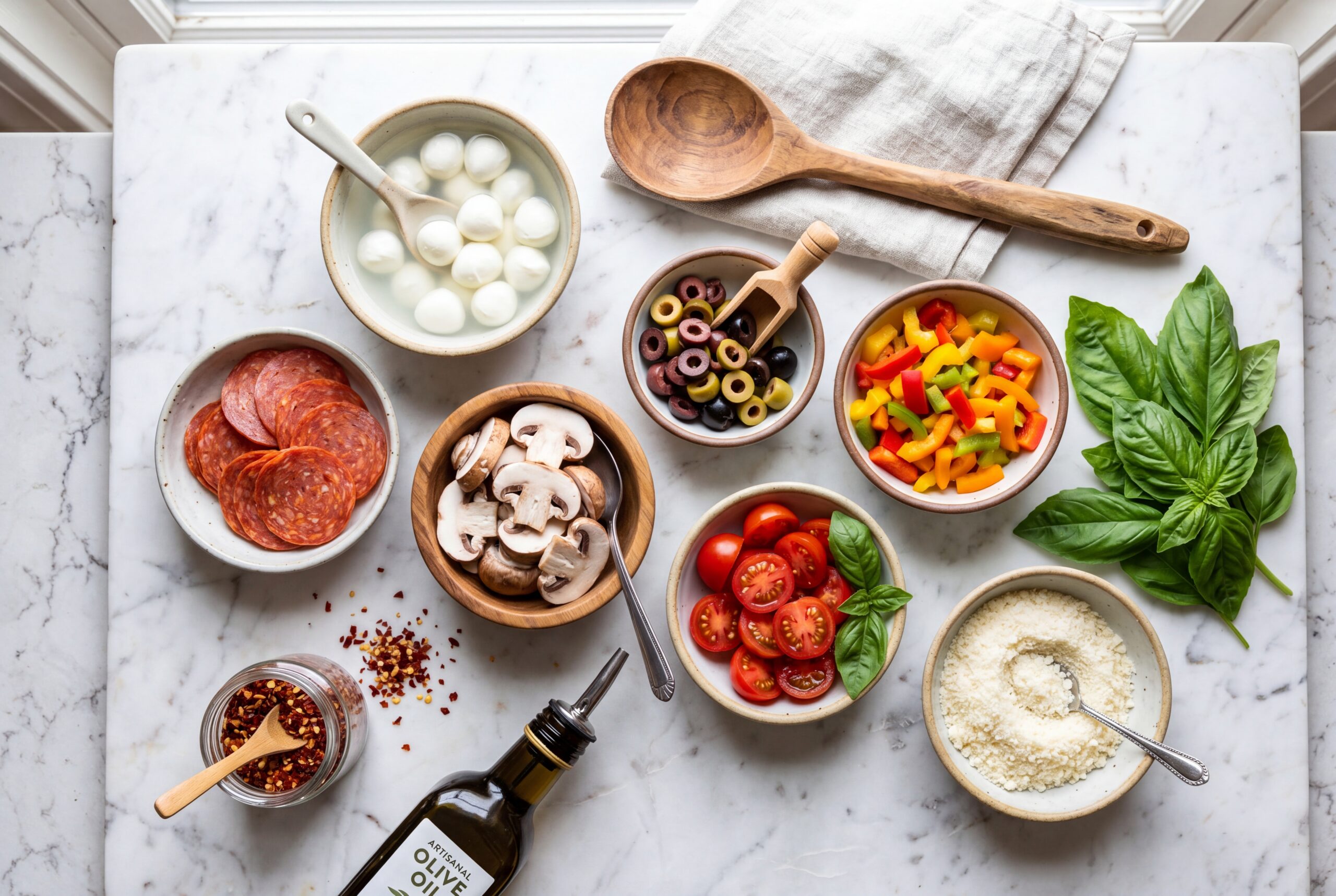
Traditionalists insist that less is more—a few exceptional ingredients trump a dozen mediocre ones. Whether you prefer spicy pepperoni, earthy mushrooms, or tangy goat cheese, remember that the best pizzas let the quality of each component shine through.
The Magic of Wood-Fired Cooking
Temperature makes all the difference. Authentic Neapolitan pizza is cooked at temperatures exceeding 900°F (480°C) in wood-fired ovens, producing the signature blistered crust and perfectly melted cheese in just 60-90 seconds.
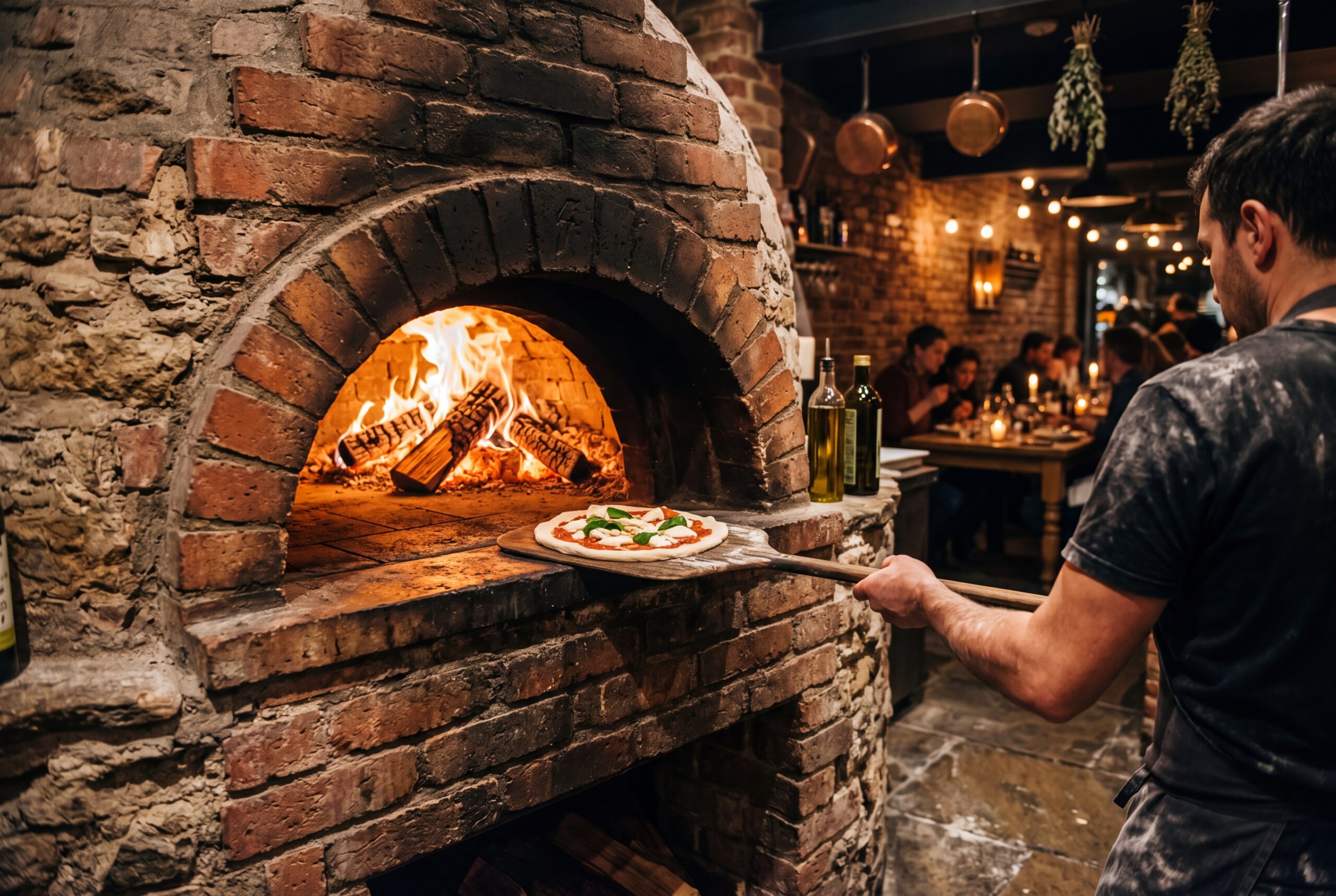
The wood fuel—typically oak, cherry, or apple—imparts a subtle smoky flavor that gas or electric ovens cannot replicate. The high heat also caramelizes the natural sugars in the dough and toppings, creating those complex, irresistible flavors that make wood-fired pizza so special.
Exploring Regional Styles
Pizza has traveled far from its Italian origins, adapting to local tastes and ingredients along the way:
- Neapolitan: Thin, soft center with puffy, charred crust—cooked in 90 seconds at extreme heat
- New York Style: Large, foldable slices with a crispy bottom and chewy texture
- Chicago Deep Dish: A pizza “pie” with thick crust, layers of cheese, sauce, and toppings
- Sicilian: Thick, rectangular slices with a spongy, bread-like base
- Roman al Taglio: Baked in rectangular pans, sold by weight, with endless topping combinations
Each style reflects the culture that created it—whether it’s the grab-and-go efficiency of New York slices or the leisurely, knife-and-fork experience of Chicago deep dish.
Making Pizza at Home
You don’t need a wood-fired oven to make excellent pizza at home. A pizza stone or steel in a conventional oven preheated to its maximum temperature (usually 500-550°F) can produce remarkable results. The key techniques are:
- Use high-hydration dough for better oven spring
- Stretch by hand rather than rolling (preserves air bubbles)
- Go easy on toppings—less is truly more
- Preheat your stone/steel for at least an hour
- Use the broiler for the final minute to achieve char
With practice, you can create restaurant-quality pizza in your own kitchen, bringing the magic of the pizzeria to your dinner table.
Conclusion
Pizza’s universal appeal lies in its perfect combination of simplicity and infinite possibility. Whether you prefer classic Margherita or experimental flavor combinations, there’s a pizza out there for everyone. The journey from flour and water to a perfect pie is one of culinary magic—and one that’s well worth mastering.
What’s your favorite pizza style? Share your thoughts and favorite topping combinations in the comments below!