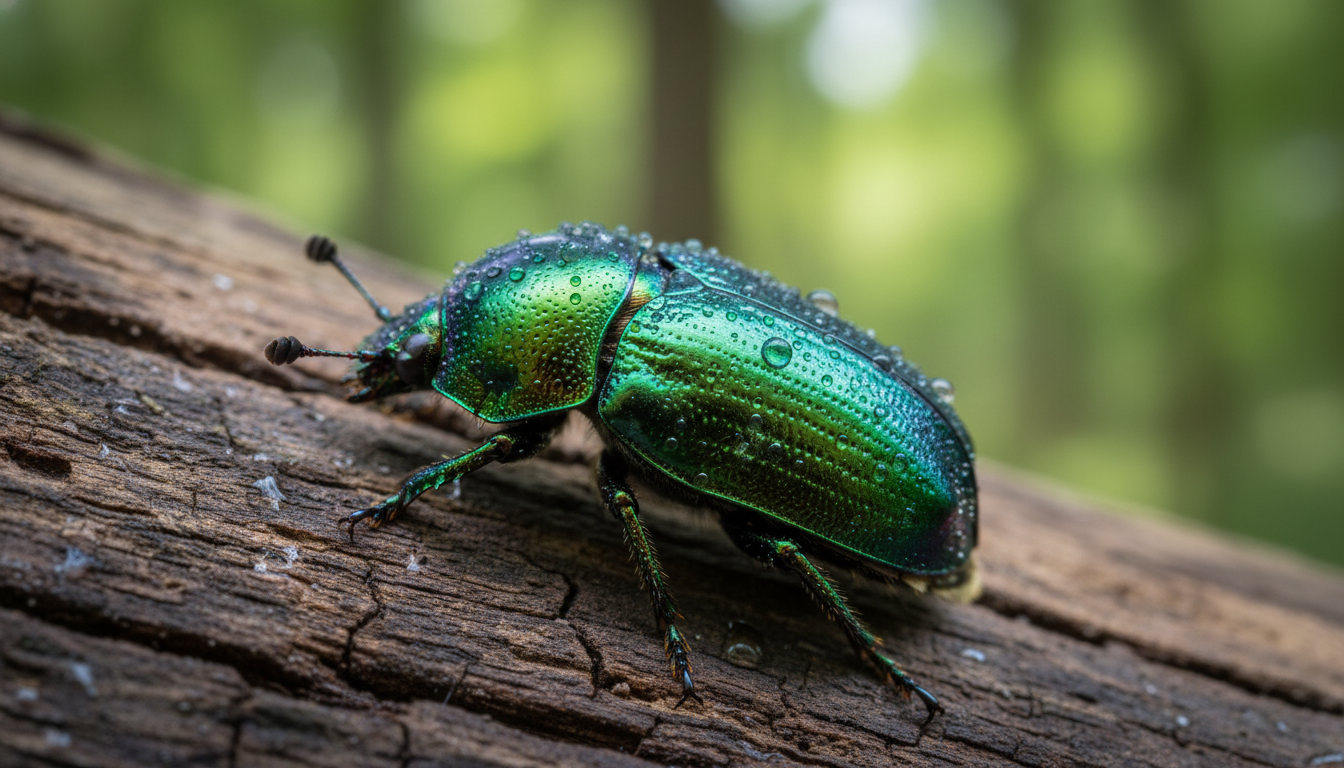
In the vast tapestry of life on Earth, few threads are as colorful, resilient, and diverse as the order Coleoptera—the beetles. With over 400,000 described species, beetles represent roughly 25% of all known life forms. They are the silent architects of our ecosystems, the armored knights of the undergrowth, and, as we shall see, some of the most beautiful creatures in existence.
The Marvel of Engineering: Evolution’s Masterpiece
The secret to the beetle’s success lies in its armor. Millions of years ago, evolution took the front wings of these insects and transformed them into elytra—hard, protective shells that shield their delicate flying wings and soft bodies. This biological “plate mail” allows beetles to thrive in environments where other insects would perish: deep in the soil, inside rotting wood, and even under the scorching desert sun.
Masters of Defense and Combat
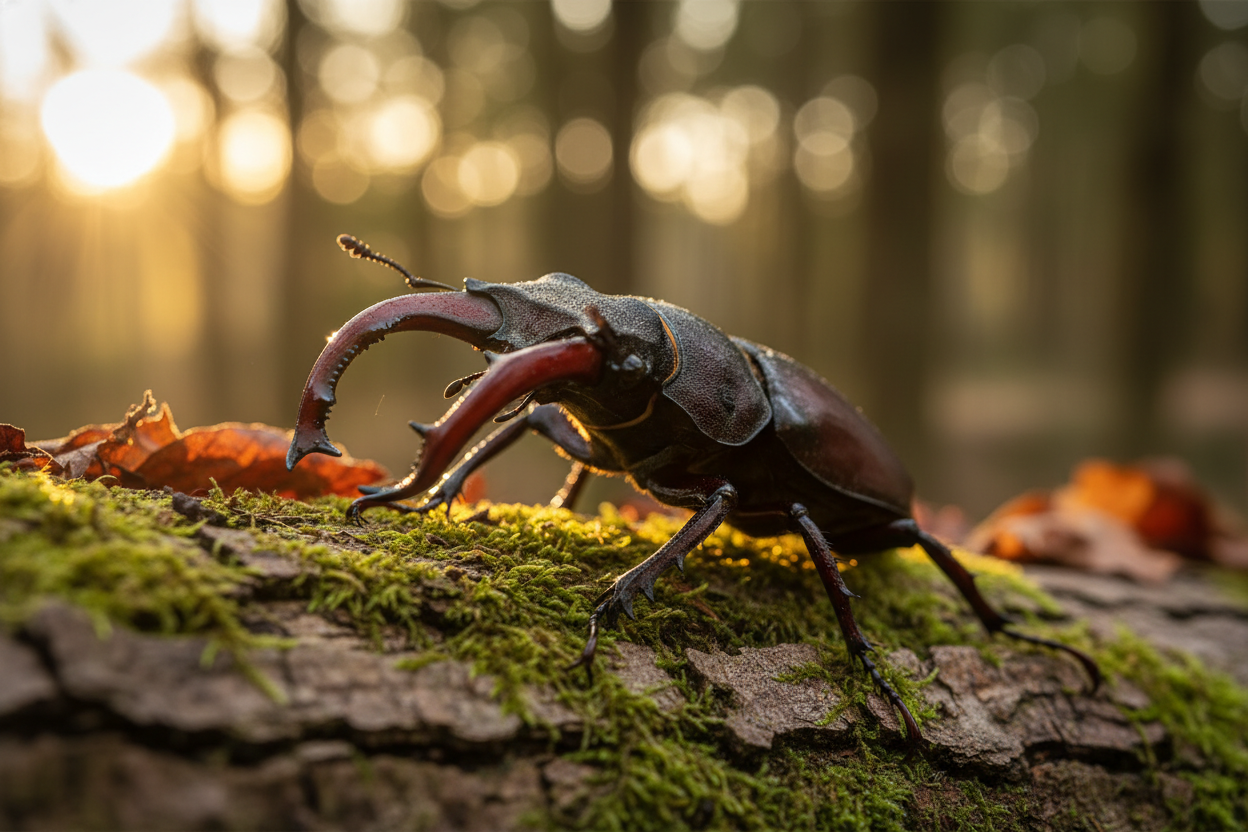
The natural world is a theater of competition, and beetles have developed an astonishing array of tools for survival. The Stag Beetle, pictured above, is perhaps the most iconic warrior. Its massive mandibles are used not for eating, but for wrestling. Rival males engage in “insect jousting,” attempting to lift and flip their opponents off tree trunks in a display of strength to win the attention of a mate.
But defense isn’t always about brute force. Some beetles use chemistry as their shield. The Bombardier Beetle, for instance, can fire a boiling-hot, caustic chemical spray from its abdomen to deter predators. Others, like the various species of jewel beetles, use their iridescent shells as a form of “interference camouflage,” where their shifting colors make it difficult for birds to pin down their exact location in the dappled forest light.
Nature’s Natural Protectors
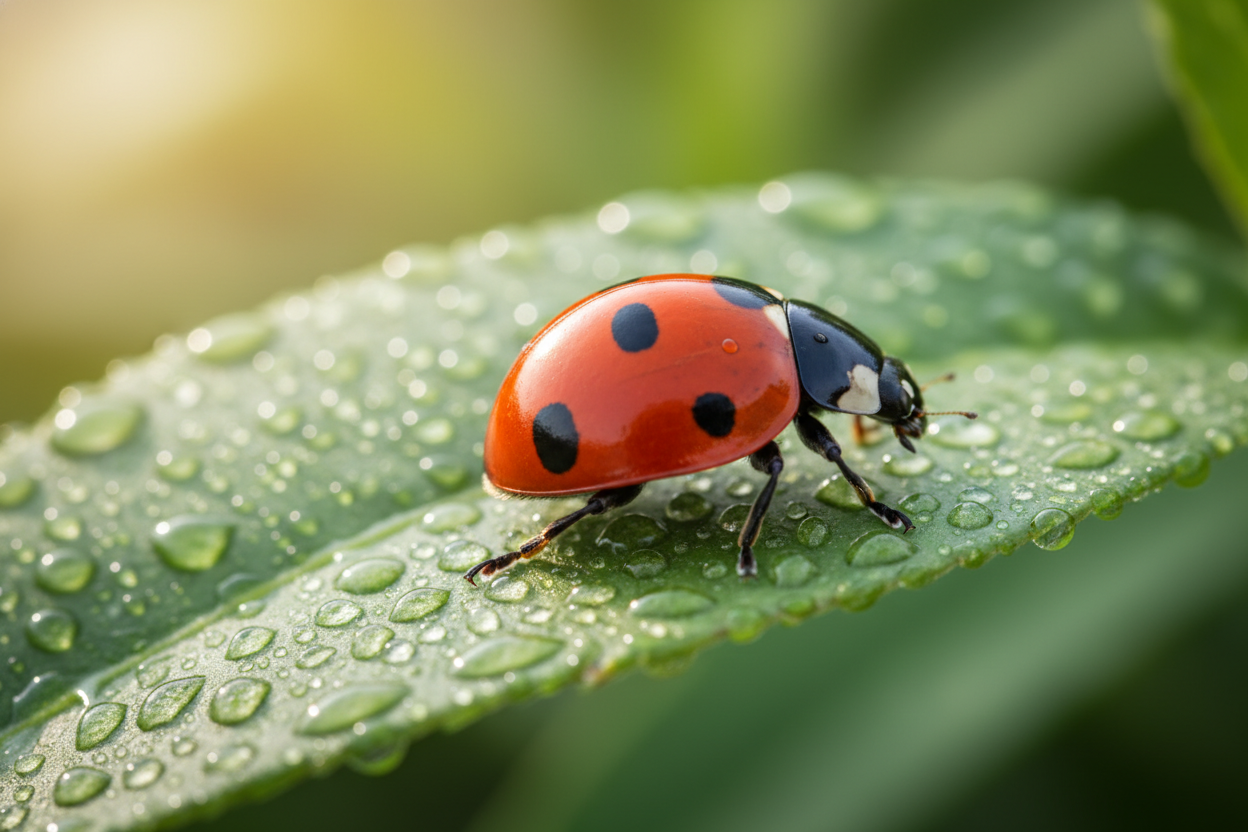
While many see beetles as mere curiosities, they are actually essential to human life. Take the humble Ladybug (or Ladybird). These cheerful-looking insects are voracious predators of aphids and other garden pests. A single ladybug can consume thousands of aphids in its lifetime, serving as a natural, non-toxic alternative to chemical pesticides. In many cultures, they are considered symbols of good luck, a fitting tribute to their role as guardians of our crops and gardens.
A Kaleidoscope of Color
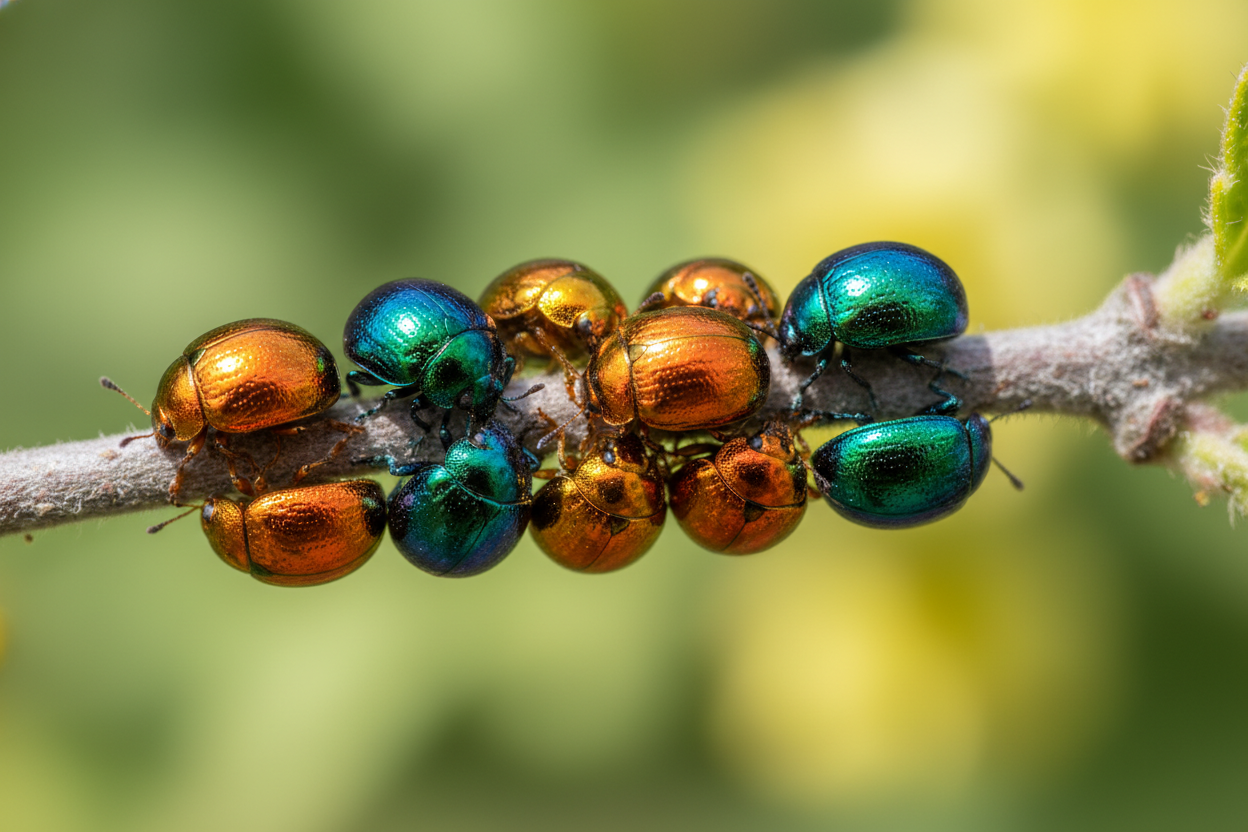
Perhaps the most breathtaking aspect of beetles is their visual variety. Because they inhabit almost every corner of the globe, they have evolved a palette of colors that rivals the most expensive gemstones. Leaf beetles, often found in vibrant clusters, display metallic blues, oranges, and purples that serve both as warnings to predators and as signals to potential mates.
Conclusion: Living in the Age of Beetles
We often think of ourselves as the dominant life form on Earth, but in many ways, we live in the “Age of Beetles.” They were here long before the dinosaurs and will likely be here long after we are gone. By protecting their habitats and appreciating their beauty, we preserve a vital piece of the planetary engine that keeps our world running. Next time you see a beetle in your path, take a moment to admire the millions of years of evolution encased in that tiny, shimmering armor.