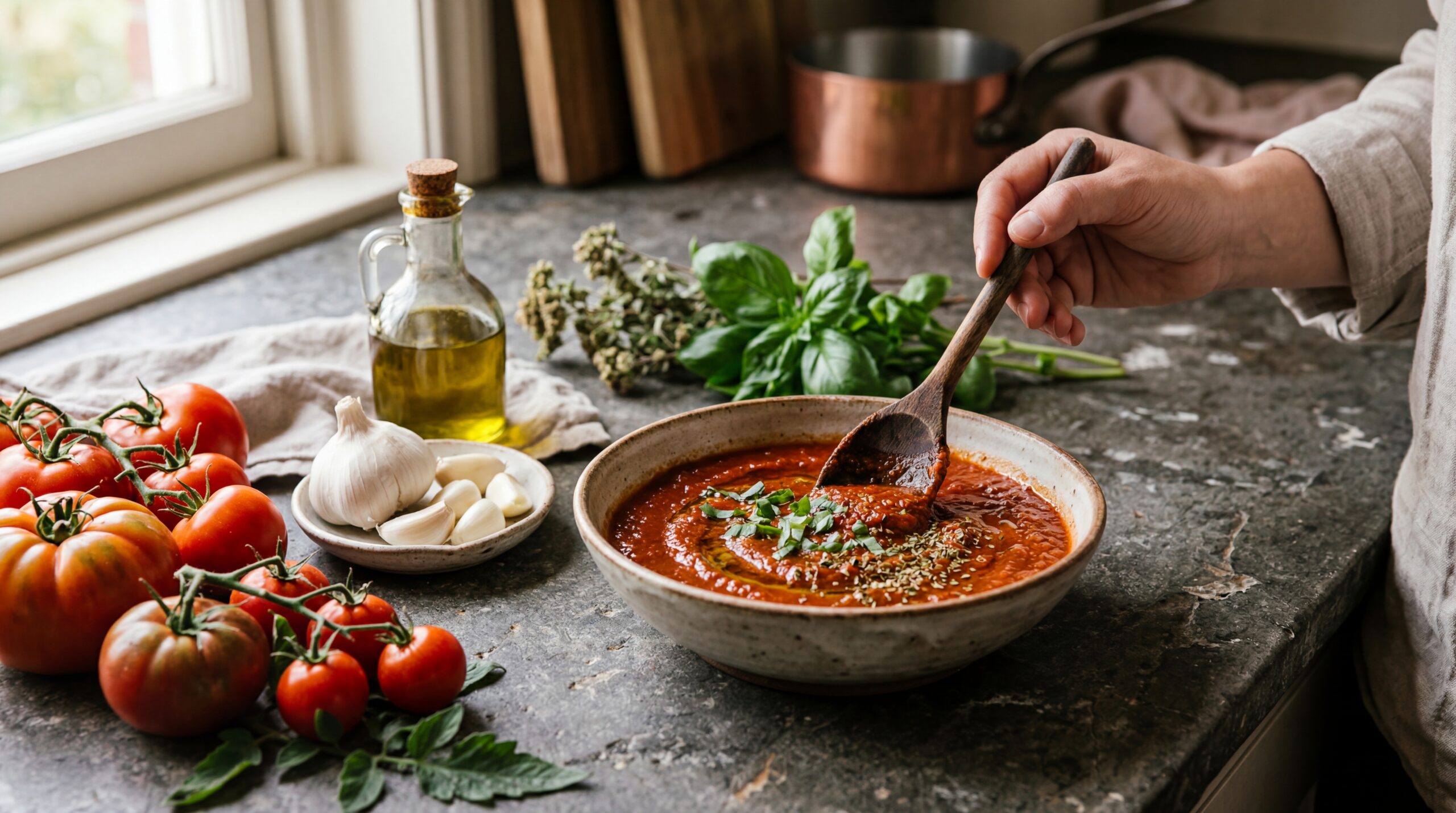
A truly memorable pizza starts long before the cheese melts or the crust turns golden. It begins with the sauce. While toppings often get the spotlight, a balanced pizza sauce is what gives every slice its depth, brightness, and unmistakable character. The best sauces do not try to do too much. They bring together the natural sweetness of tomatoes, the savoriness of garlic, the richness of olive oil, and the gentle lift of herbs into something that supports the dough and cheese instead of overpowering them.
One of the biggest mistakes home cooks make is treating pizza sauce like pasta sauce. Pizza sauce should usually be fresher, cleaner, and more concentrated in flavor. It needs enough body to stay in place on the dough, enough acidity to keep each bite lively, and enough seasoning to taste complete after baking. Whether you prefer a classic Neapolitan-inspired pie or a crisp home-oven pizza, learning how to make a great sauce is one of the easiest ways to improve your final result.
What makes a great pizza sauce?
A great pizza sauce is all about balance. Tomatoes should remain the star, but they need support. Garlic adds depth, olive oil brings a smooth mouthfeel, and herbs like oregano or basil create the familiar aroma most people associate with classic pizzeria flavor. Salt sharpens the overall profile, while a small pinch of sugar can help soften overly acidic tomatoes if needed. The goal is not to bury the tomato taste, but to shape it into something fuller and more pizza-friendly.
Texture matters just as much as flavor. If the sauce is too watery, it can leave the dough soggy. If it is too thick, it may feel heavy and pasty after baking. A good pizza sauce spreads easily with the back of a spoon and forms a thin, even layer. That layer should bake into the pie, not sit on top of it like an afterthought.
A simple homemade approach
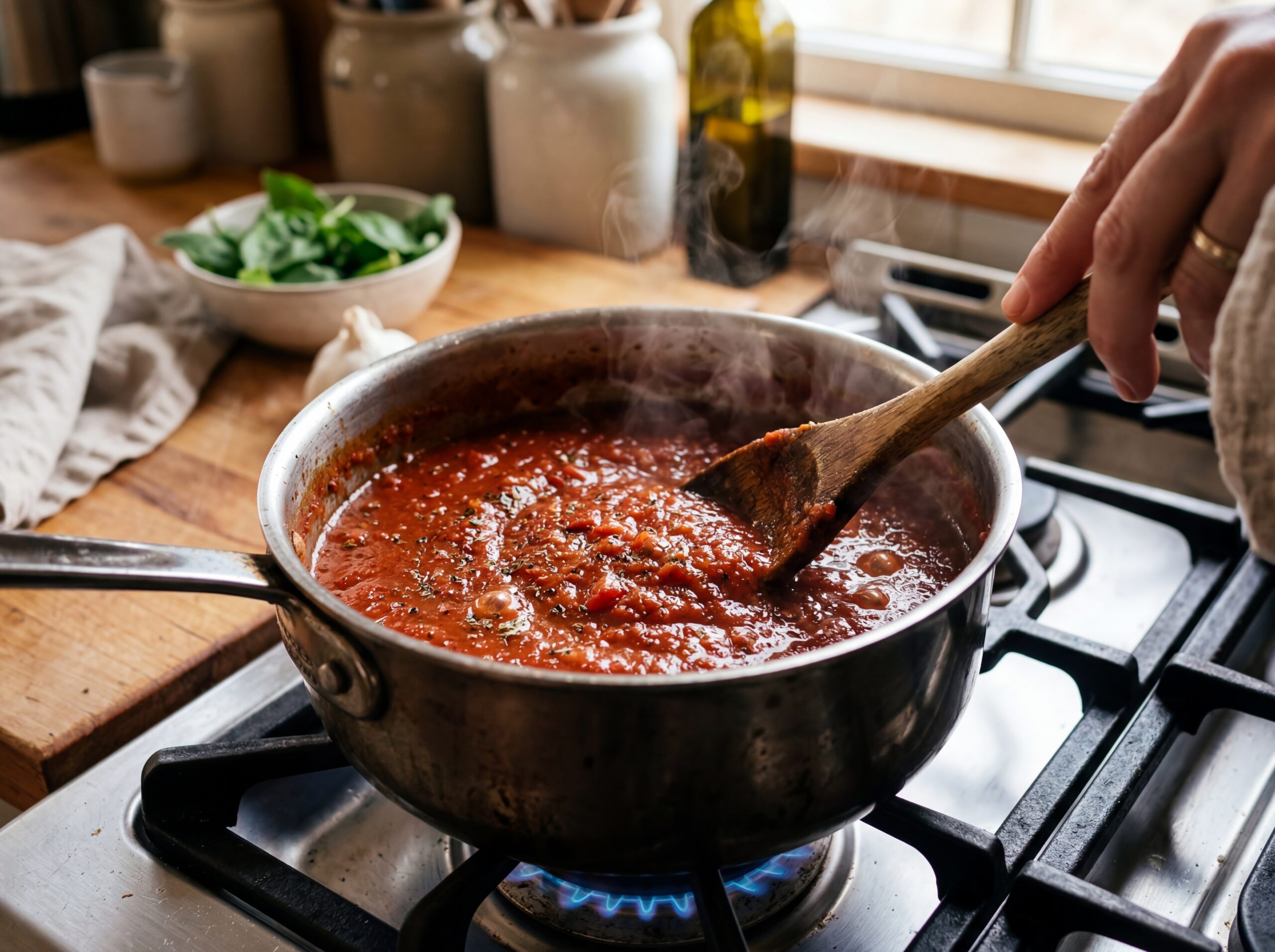
For many home kitchens, the best approach is also the simplest. Start with quality canned tomatoes or very ripe fresh tomatoes, then add minced garlic, olive oil, salt, oregano, and basil. Some cooks use the sauce raw, especially for high-heat pizzas, while others simmer it briefly to deepen the flavor and reduce excess moisture. A short simmer can create a richer, more concentrated sauce that works beautifully in standard home ovens.
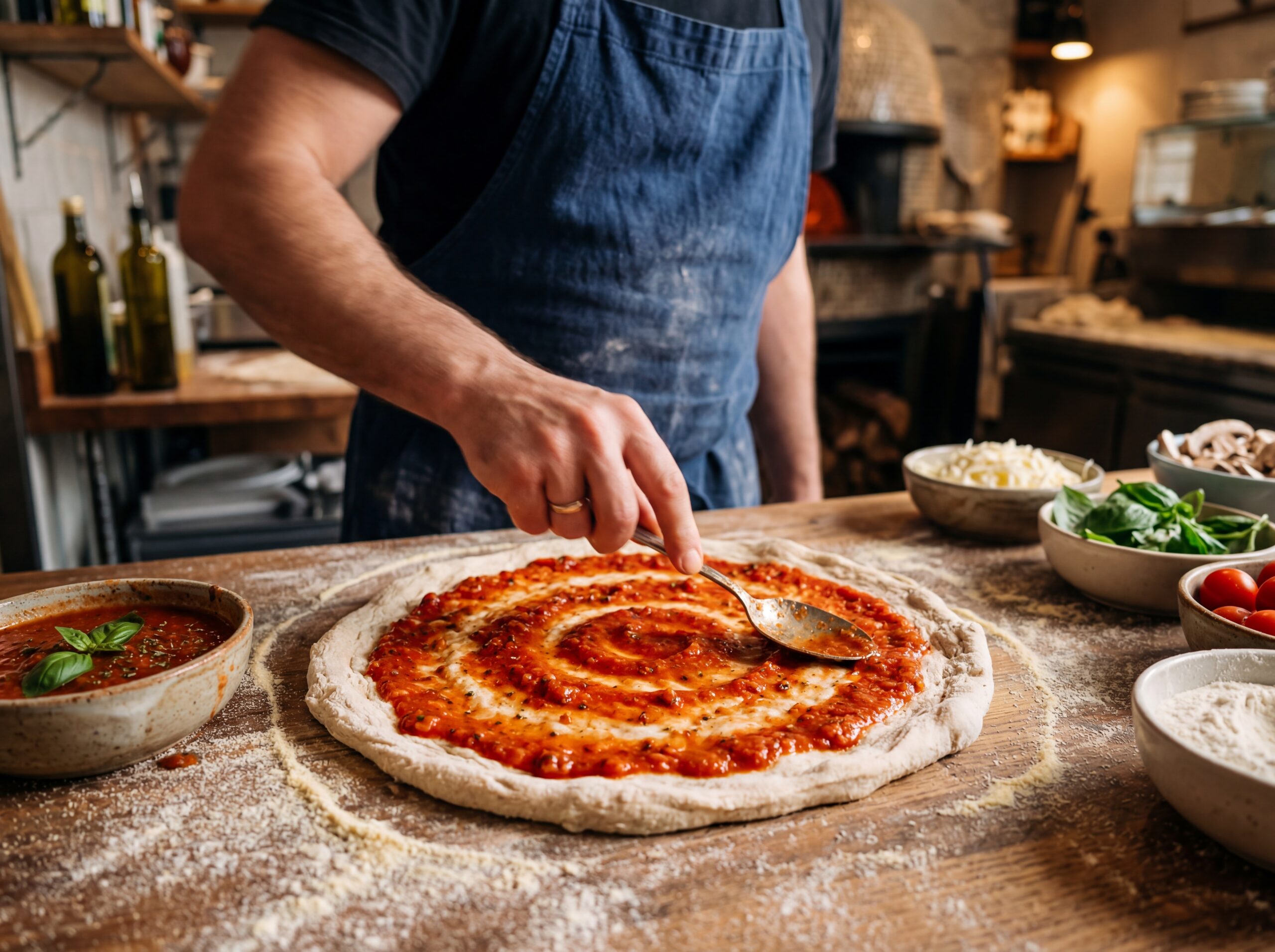
When assembling the pizza, less is often more. Too much sauce can dominate the crust and prevent the toppings from baking evenly. Spread from the center outward in a circular motion, leaving a small border for the crust. This creates a pie that looks better, bakes better, and tastes more balanced in every bite.
Tips for better flavor every time
- Use tomatoes with naturally rich flavor rather than relying on extra sugar.
- Season lightly at first and adjust after tasting.
- Blend only if you want a smoother texture; a little rustic texture can feel more authentic.
- Let the sauce rest for a few minutes before using so the flavors can settle together.
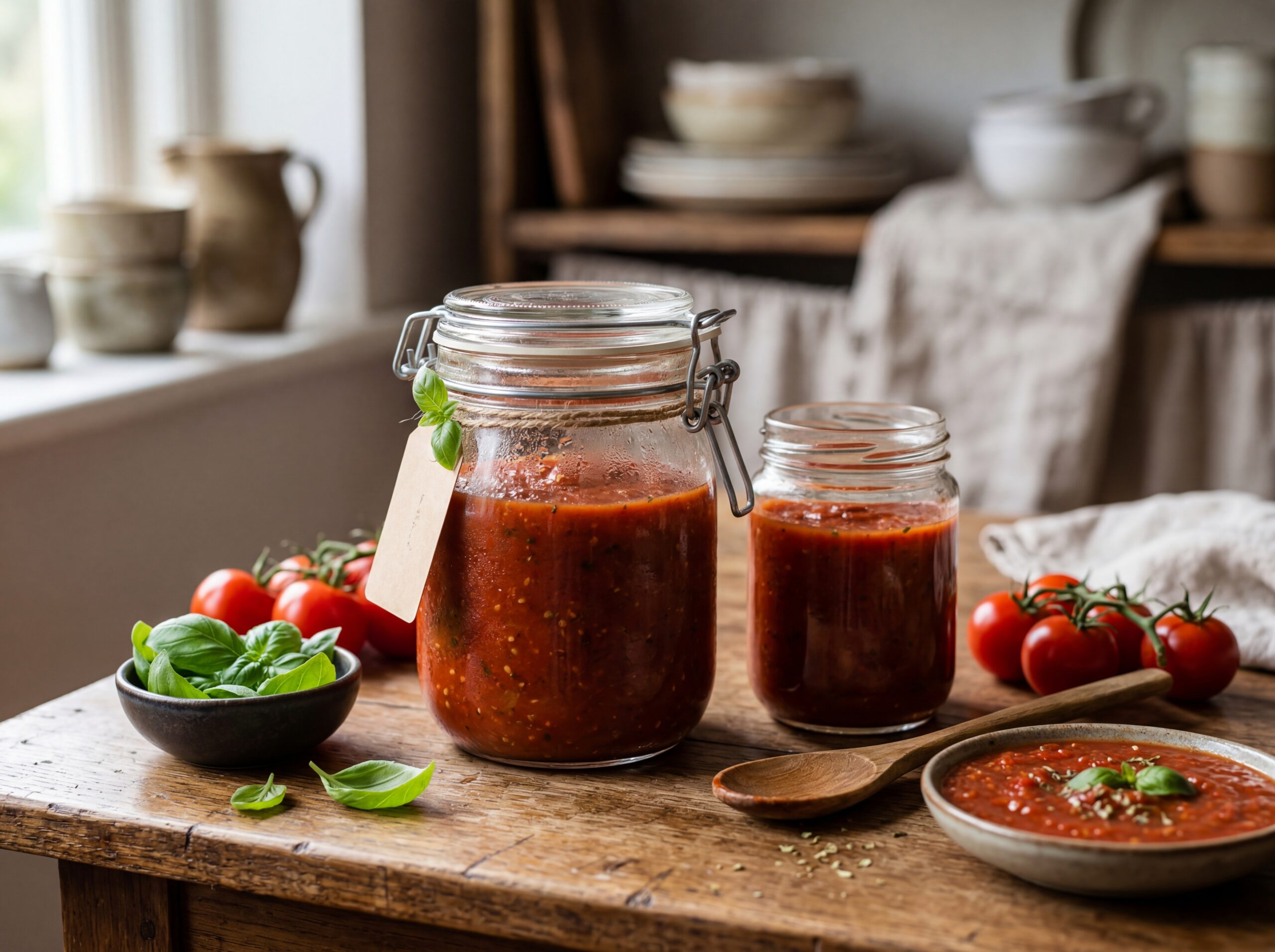
- Make extra and store it in jars for future pizza nights.
If you are serious about making better pizza at home, improving your sauce is one of the highest-impact changes you can make. It is affordable, easy to customize, and immediately noticeable. With a few quality ingredients and a little attention to texture, you can create a sauce that tastes fresher, bolder, and far more distinctive than most store-bought options. In the end, a great pizza sauce does not just sit under the cheese — it defines the entire slice.