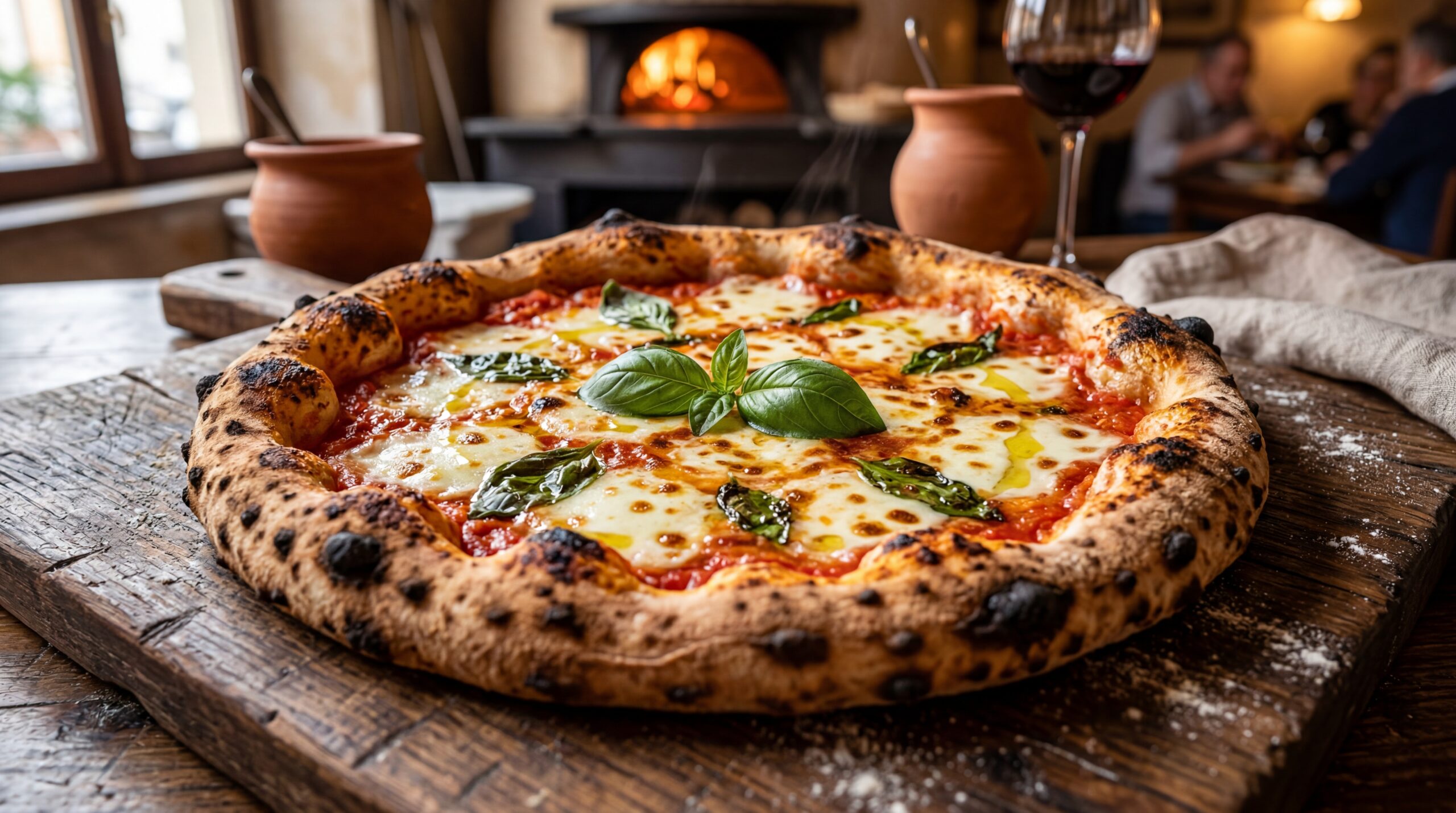
A Journey to Naples: The Birthplace of True Pizza
Few foods in the world carry as much history, passion, and cultural pride as Neapolitan pizza. Born in the narrow streets of Naples, Italy, this simple yet extraordinary dish has conquered the entire planet — and for very good reason. But what makes a true Neapolitan pizza so special? And can you recreate that magic at home? Let’s dive into the world of the world’s most beloved food.
The History Behind Every Slice
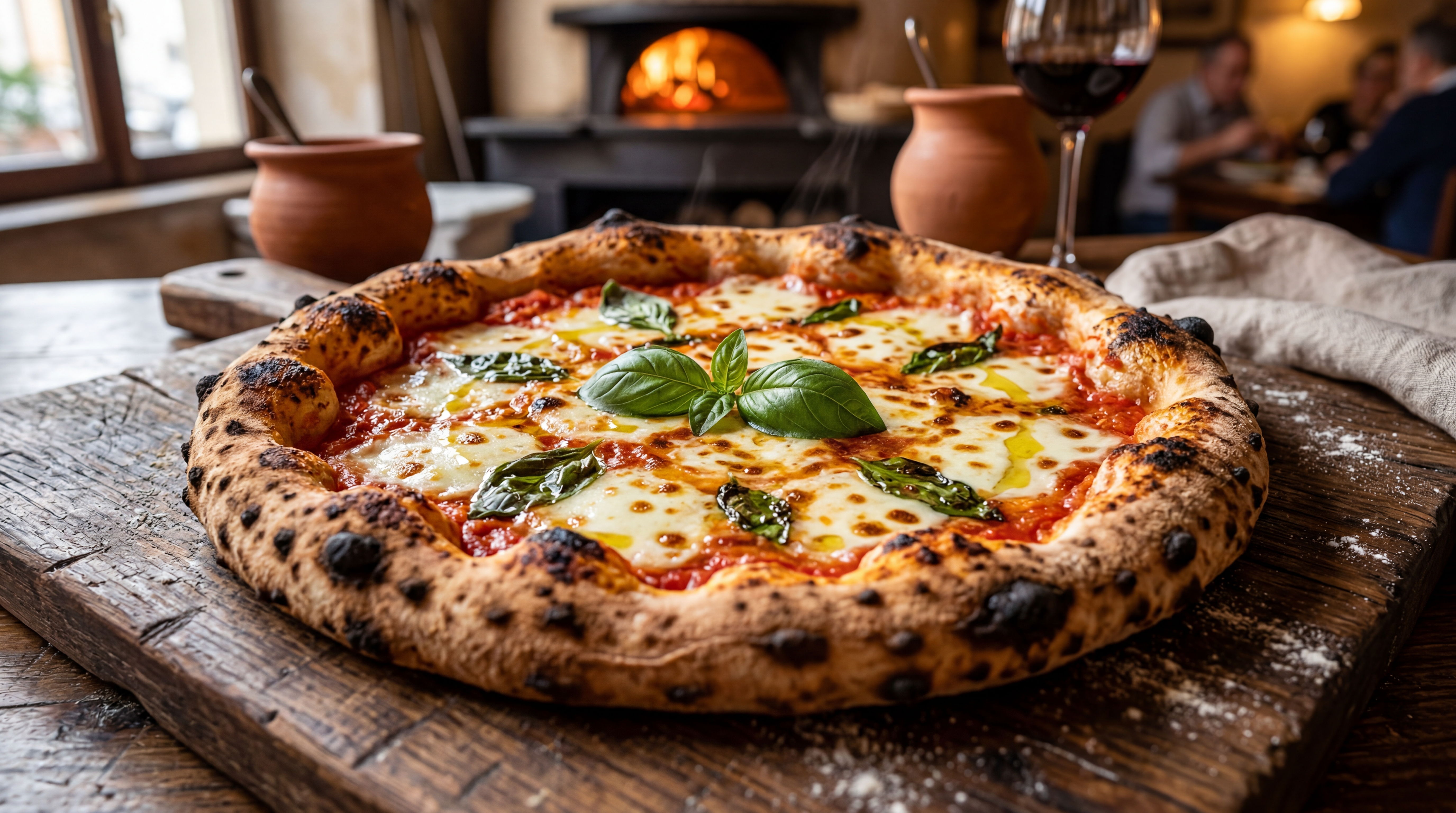
Pizza as we know it today was born in Naples in the 18th century. Before that, flatbreads topped with olive oil and herbs existed across the Mediterranean, but it was the Neapolitans who introduced the tomato — a fruit newly arrived from the Americas — and transformed everything. The Margherita, arguably the world’s most iconic pizza, was said to have been created in 1889 in honor of Queen Margherita of Savoy. Its three toppings — red tomato, white mozzarella, and green basil — were chosen to mirror the colors of the Italian flag.
In 2017, the art of Neapolitan pizza-making (pizzaiuolo) was officially recognized by UNESCO as an Intangible Cultural Heritage of Humanity. That’s not just a culinary achievement — it’s a statement about identity, tradition, and community.
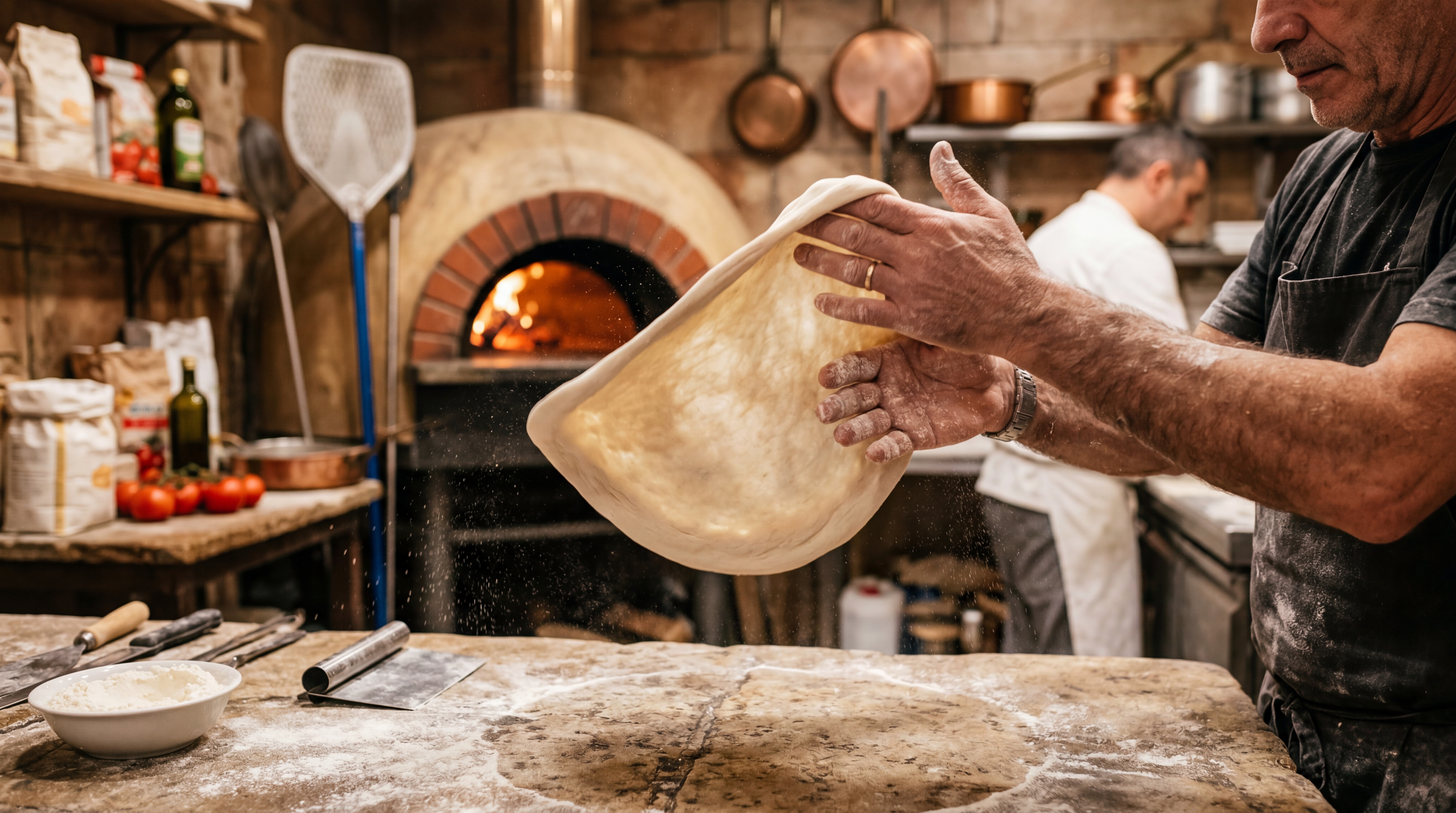
The Secrets of Authentic Neapolitan Dough
The foundation of a great Neapolitan pizza is the dough. It contains just four ingredients: Tipo 00 flour, water, salt, and a tiny amount of fresh yeast. The magic lies not in the ingredients themselves, but in the process.
- Long fermentation: Authentic dough is fermented for at least 24 hours, often up to 72 hours. This develops complex flavors and that characteristic chewy-yet-tender texture.
- Hydration level: The dough is typically 60–65% hydration — wet enough to be extensible, firm enough to handle.
- Hand-stretching only: A true pizzaiolo never uses a rolling pin. Dough is gently stretched by hand, preserving the air bubbles that form during fermentation and create the puffy, irregular crust (cornicione).
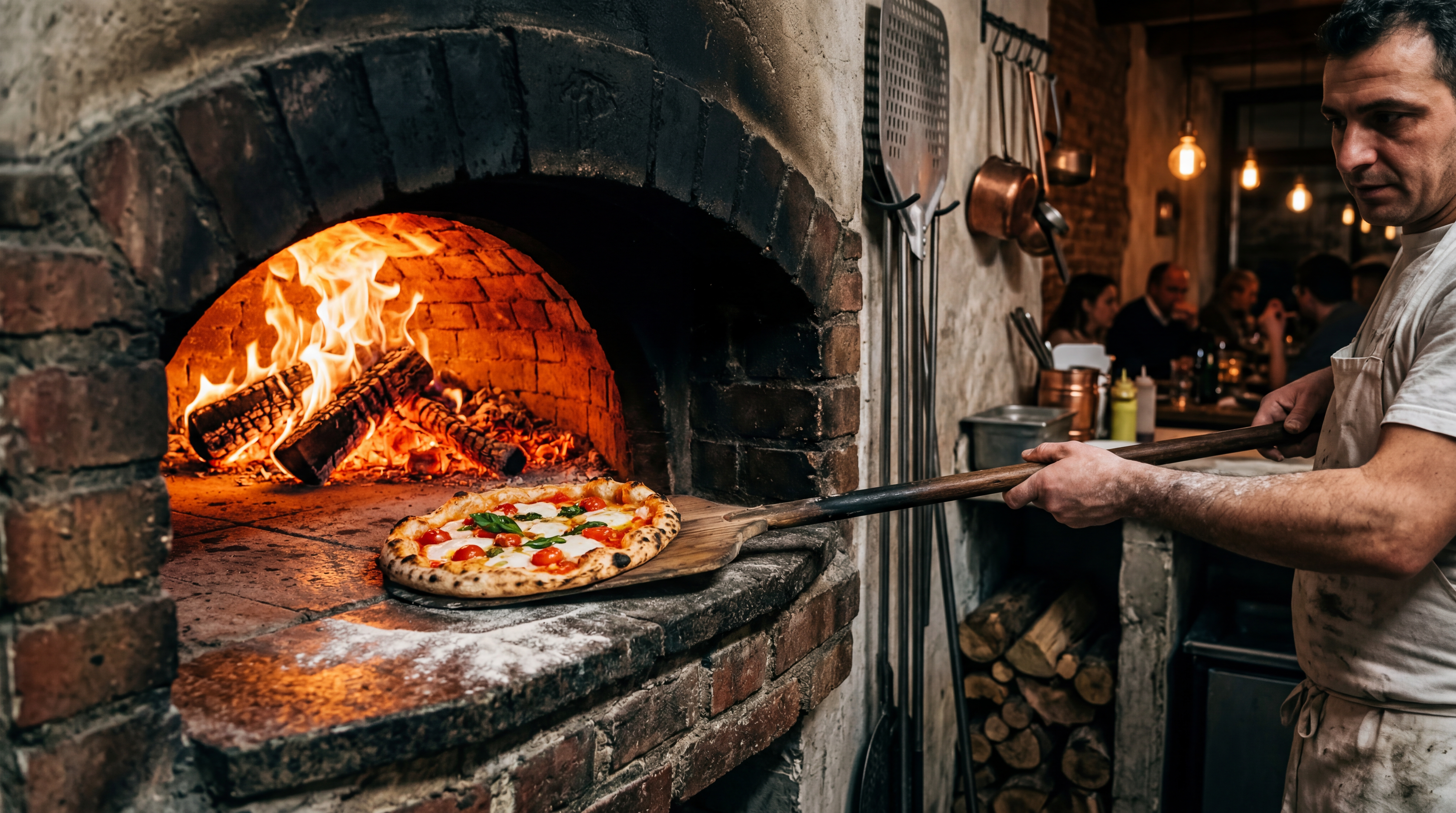
Fire, Stone, and 90 Seconds: The Oven Secret
The most critical element separating Neapolitan pizza from every other style is the oven. A traditional forno a legna (wood-fired oven) reaches temperatures between 430–485°C (800–900°F). At this heat, a pizza bakes in just 60–90 seconds. The intense radiant heat from above and the scorching stone floor below create a perfectly leopard-spotted crust — crispy on the outside, soft and pillowy on the inside.
This is why home oven pizza, while delicious, is fundamentally different. Most home ovens max out at 250–280°C. To compensate, use a pizza stone or steel preheated for at least 45–60 minutes, and place it on the highest rack under the broiler. It won’t be 90 seconds — but it will be the best you can do at home.
Classic Margherita Recipe: Step by Step
Here is a simplified but faithful home version of the Neapolitan Margherita.
Ingredients (for 2 pizzas)
- 500g Tipo 00 flour (or strong bread flour)
- 325ml cold water
- 10g fine sea salt
- 3g fresh yeast (or 1g instant dry yeast)
- 200g San Marzano crushed tomatoes (or good-quality canned whole tomatoes, crushed by hand)
- 200g fresh mozzarella (fior di latte), torn into pieces
- Fresh basil leaves
- Extra-virgin olive oil
Method
- Make the dough: Dissolve the yeast in water. Gradually mix in flour and salt. Knead for 10–15 minutes until smooth and elastic. Cover and let rest at room temperature for 2 hours, then refrigerate for 24–48 hours.
- Shape: Remove dough 2 hours before baking. Divide into 2 balls. On a lightly floured surface, gently press and stretch each ball into a 28–30cm circle. Never use a rolling pin.
- Top it: Spoon 3–4 tablespoons of crushed tomatoes onto the base. Season with salt. Scatter mozzarella pieces evenly. Do not overload the pizza.
- Bake: On a screaming-hot pizza stone at maximum oven temperature (broiler on), bake for 5–8 minutes until the crust is charred and the cheese is bubbling.
- Finish: Remove from oven. Immediately add fresh basil and a drizzle of olive oil. Serve at once.
The Soul of Pizza
Neapolitan pizza isn’t just food — it’s a philosophy. It teaches us that the best results come from patience, quality ingredients, and respecting a process. Whether you’re making it at home or seeking out the best pizzeria in your city, every bite of a proper Neapolitan pizza is a small trip to Naples. And once you’ve had the real thing, there’s truly no going back.
Interested in more pizza techniques? Check out our Ultimate Guide to Perfect Homemade Pizza for dough and sauce secrets.